Poland Deploys 31 Electric Buses and 20 Chargers in Silesian Region
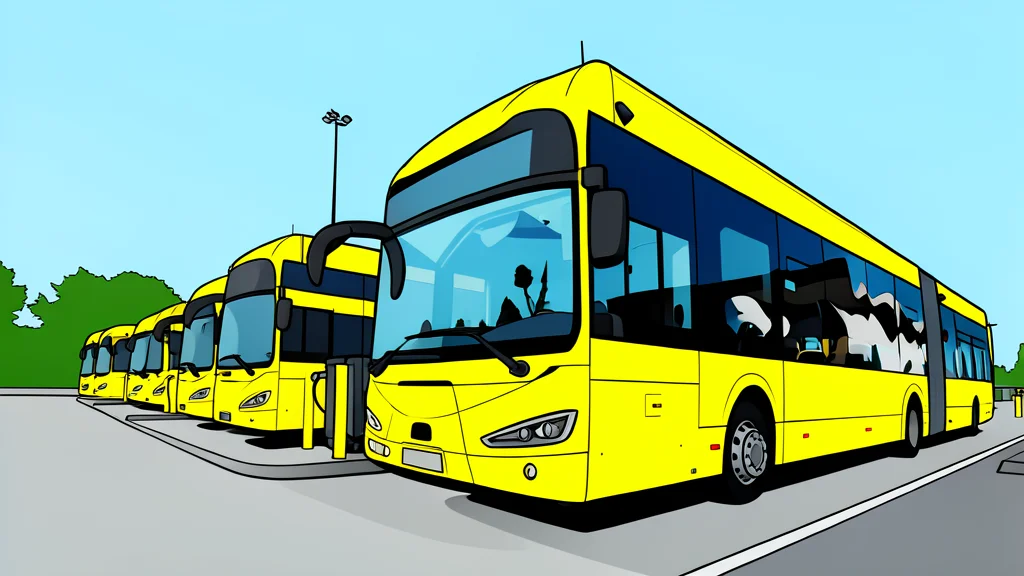
Irizar delivers 31 electric buses to four Polish operators, backed by 91% EU funding and new depot charging infrastructure.
Key points
- Irizar delivered 31 electric buses and 20 charging units to four Polish cities.
- The 36 million dollar project is 91 percent funded by Poland’s National Recovery Plan.
- The buses join a regional fleet that also includes hydrogen vehicles and other electric models.
Spanish manufacturer Irizar has completed the delivery of 31 battery-electric buses to the Upper Silesian metropolitan area in Poland. The vehicles, comprising 16 articulated and 15 standard models, are now being assigned to four municipal operators serving Sosnowiec, Świerklaniec, Katowice, and Gliwice.
The project, valued at approximately 36 million dollars, is part of a broader regional effort to replace older diesel vehicles with zero-emission options. According to CleanTechnica, the initiative is heavily subsidized, with over 91 percent of eligible costs covered by Poland’s National Recovery Plan.
Infrastructure accompanies the new fleet
The delivery was not limited to the vehicles themselves. The contract included the installation of 20 depot charging units and the necessary electrical infrastructure to commission them. This mix of hardware ensures that the buses have reliable energy sources at their home bases.
The charging equipment varies in capacity to suit different operational needs, including 18 dual 80-kW chargers, one triple 120-kW unit, and a single 180-kW charger. This infrastructure is critical for maintaining the efficiency of the electric fleet, though it also adds complexity to depot management and maintenance schedules.
Funding relies on national recovery funds
The financial structure of the deal is heavily dependent on public support. With the majority of costs covered by the National Recovery Plan, the project reduces the immediate financial burden on the municipal operators. This funding model allows the region to scale up its electric fleet without fully absorbing the high upfront costs of vehicle procurement.
The contract also includes long-term support services, such as warranty coverage, technical assistance, and operator training. By bundling these services with the vehicle purchase, the metropolitan authority aims to ensure smoother integration of the new technology into daily public transport operations.
Part of a multi-technology strategy
The Irizar buses are one component of a larger electrification program in the GZM region. The metropolitan authority is also deploying hydrogen buses and preparing for additional battery-electric vehicles from other manufacturers like Solaris. This multi-technology approach diversifies the region’s transport options but requires managing different fueling and charging infrastructures simultaneously.
For Irizar, this delivery is part of a wider expansion in Poland, where the company has secured contracts for over 80 electric buses across multiple cities. While the Silesian deployment marks a significant step in local public transport modernization, it also highlights the ongoing challenge of integrating diverse vehicle types into a single, cohesive network.