Record Crowd at Sydney EV Expo Highlights Chinese Market Dominance
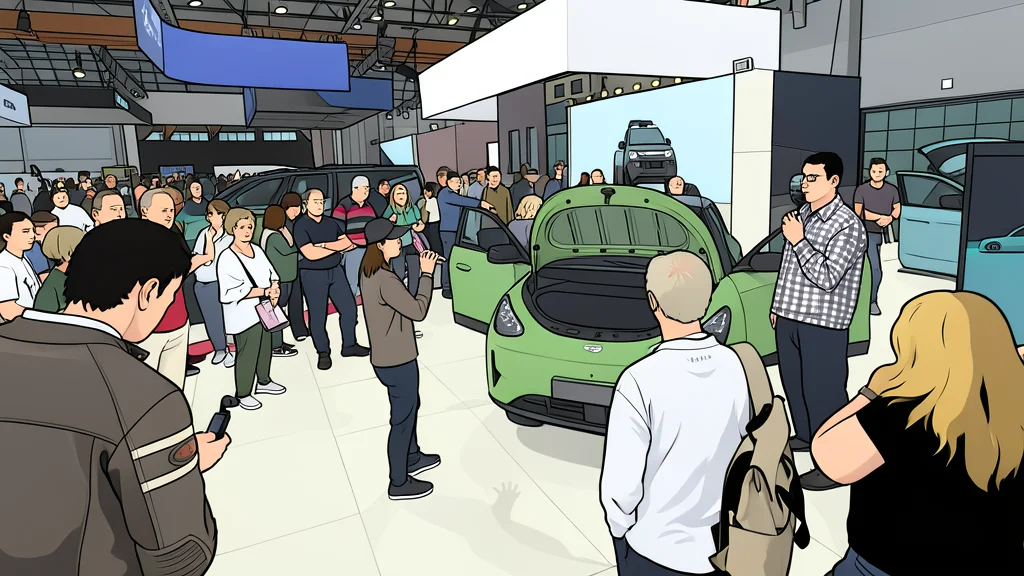
Over 37,000 visitors attended the Everything Electric show in Sydney, where Chinese brands dominated the floor and established rivals were largely absent.
Key points
- Record attendance of 37,000 at the Sydney EV expo signals a structural shift toward electric vehicles in Australia.
- Only three non-Chinese brands exhibited, while Chinese manufacturers dominated the floor with aggressive new models.
- Consumer interest focused on lifestyle features and extended range, with no negative sentiment reported by attendees.
The Everything Electric expo in Sydney drew a record crowd of more than 37,000 people over the weekend, marking a 20 percent increase in attendance compared to the previous year. According to The Driven IO, this surge reflects a significant shift in consumer behavior, with battery electric vehicles now accounting for one in four new car sales in Australia.
Despite this growth, the event revealed a stark imbalance in market presence. Only three non-Chinese manufacturers displayed vehicles, while Chinese brands occupied the majority of the floor space. This shift suggests that the transition to electric mobility is no longer a niche market but has become a structural change in the automotive industry.
Chinese brands dominate the exhibition floor
Exhibitors from China, including BYD, Zeekr, and Chery Omoda, featured prominently with large displays. Even brands with historical ties to Europe, such as Polestar and MG, are now under Chinese ownership. The sheer volume of new models from these emerging players was described as overwhelming by industry veterans, signaling a competitive landscape that is rapidly changing.
In contrast, established global automakers were scarce. Hyundai, Subaru, and Cadillac were the only non-Chinese manufacturers present, with Cadillac focusing exclusively on electric vehicles in markets like Australia. This absence of major traditional players highlights a potential vulnerability for long-standing brands as they struggle to compete with the aggressive pricing and rapid innovation of their Chinese counterparts.
Consumer focus shifts to lifestyle and range
Visitors showed a strong interest in vehicles that support outdoor lifestyles, with manufacturers displaying rooftop tents on electric utility vehicles. Models like the MG09 and Subaru’s Trailseeker emphasized a 400-kilometer range, catering to those who want to maintain their weekend routines without compromise. The demand for extended range plug-in hybrids was also evident, with models offering up to 1,500 kilometers of range attracting significant attention from attendees concerned about battery anxiety.
The atmosphere at the show was notably positive, with industry observers noting a high level of maturity and inquisitiveness among attendees. There were no reports of negative sentiment regarding the viability of electric vehicles. Instead, conversations focused on practical concerns such as battery health testing and charging infrastructure, indicating that the market has moved past the initial skepticism phase.
Uncertainty looms for legacy automotive brands
Industry experts express concern for the future of established automotive brands that are not represented at such major events. The dominance of Chinese manufacturers and the rapid adoption of electric technology suggest a consolidation of the market that could eliminate several long-standing names by 2030. This shift poses a challenge for traditional automakers to adapt their strategies and remain relevant in a market that is increasingly defined by new entrants.