Port Partners Use Ground Rails to Charge Moving Electric Trucks
A new alliance aims to solve a key bottleneck in port electrification by charging heavy vehicles while they move, eliminating the need for lengthy stationary charging stops.
Sweden’s Cavotec has joined forces with French firm EVIAS to introduce a charging system that powers electric port vehicles while they are in motion. The collaboration targets a specific operational friction: the time heavy machinery spends sitting idle to recharge. By integrating power transfer directly into the driving path, the partnership seeks to keep terminal equipment moving without sacrificing energy replenishment.
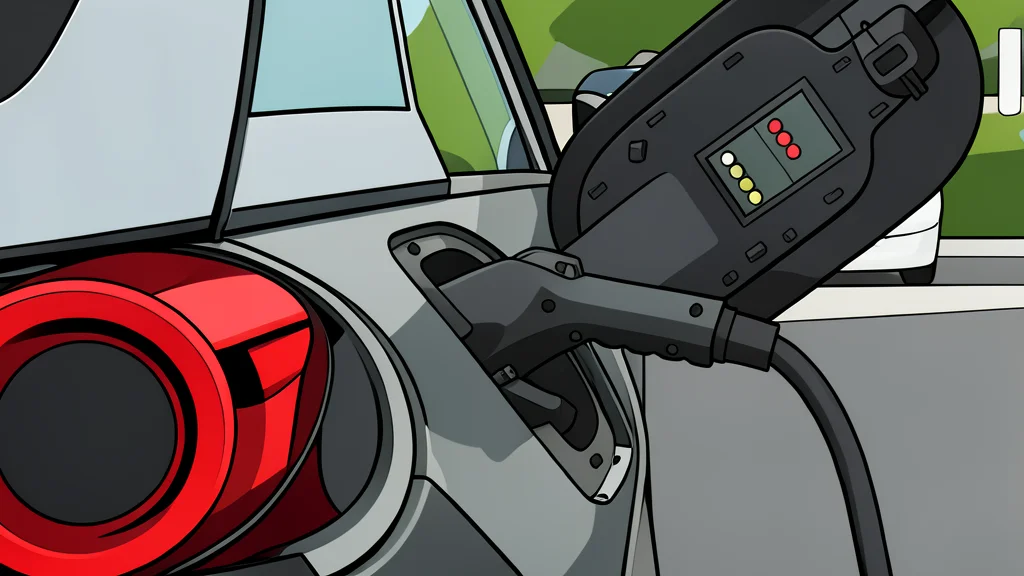
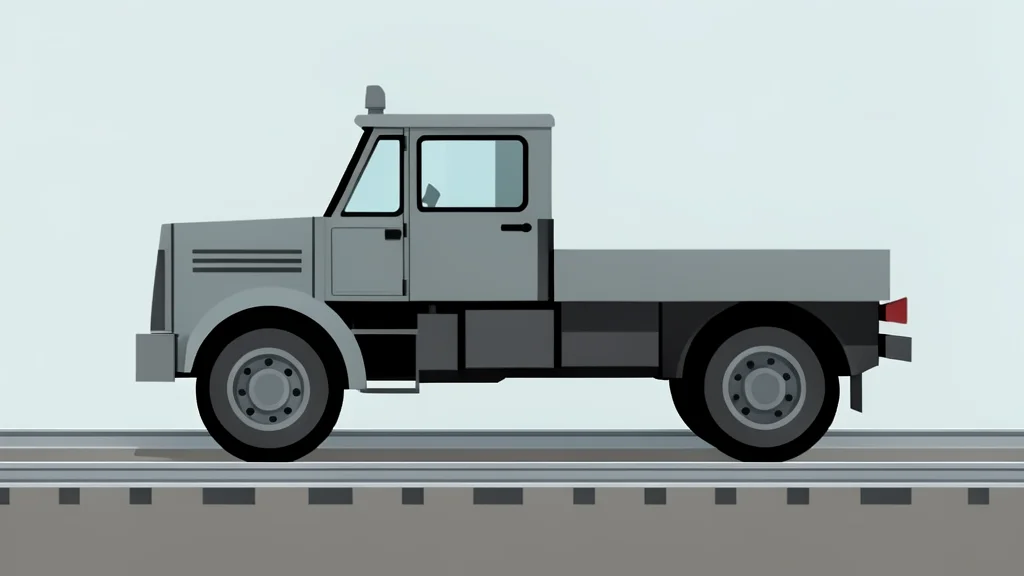
The solution involves a conductive rail embedded in the pavement. As electric tractors or automated guided vehicles pass over specific sections, a robotic arm on the vehicle connects to the rail to draw power. This method allows operators to maintain high utilization rates, as the charging process happens concurrently with cargo handling rather than interrupting it.
Charging while moving reduces idle time
Traditional electric vehicle charging requires dedicated parking bays, which consumes valuable port real estate and creates bottlenecks during peak hours. The dynamic charging approach mitigates this by distributing energy intake across the entire operational cycle. According to reporting from GN auto tech/ev: electric vehicle, this strategy addresses the practical challenge of keeping high-demand fleets available for work. The system energizes only the rail segment directly beneath a vehicle, a modular design intended to enhance safety and ease integration into existing terminal layouts.
The trade-off lies in the infrastructure complexity. Installing these ground-based rails requires careful planning to ensure compatibility with various vehicle types and terminal traffic flows. However, the potential to reduce the square footage needed for charging stations offers a significant spatial advantage for crowded ports. Operators can potentially repurpose space previously reserved for stationary charging, thereby increasing overall throughput capacity.
Demand for electric port fleets is rising
This technological push aligns with a broader industry shift toward zero-emission operations. Estimates suggest that between 33,000 and 47,000 new battery-electric container-handling vehicles will be ordered between 2025 and 2035. This surge creates an urgent need for charging systems capable of supporting intensive, continuous use. Standard plug-in stations are often insufficient for such high-utilization environments, making dynamic solutions like the Cavotec-EVIAS partnership increasingly relevant.
Cavotec expands its electrification portfolio
For Cavotec, this agreement extends its existing services beyond shore power and vessel charging to include horizontal transport within terminals. The company recently secured an eight-million-euro order to supply shore power systems for newbuild containerships, with deliveries scheduled for 2028 and 2029. By adding the EVIAS technology, Cavotec offers a more integrated approach to port electrification, covering everything from vessel connection systems to the movement of goods inside the facility.
While the technology promises efficiency gains, it requires precise alignment and maintenance of the ground infrastructure. The robotic connection mechanism must function reliably under heavy loads and varying weather conditions. Despite these engineering challenges, the partnership represents a significant step toward making electric heavy transport viable for continuous industrial operations, moving beyond the limitations of static charging models.