Garmin Circa Offers Screenless Tracking Without Monthly Fees
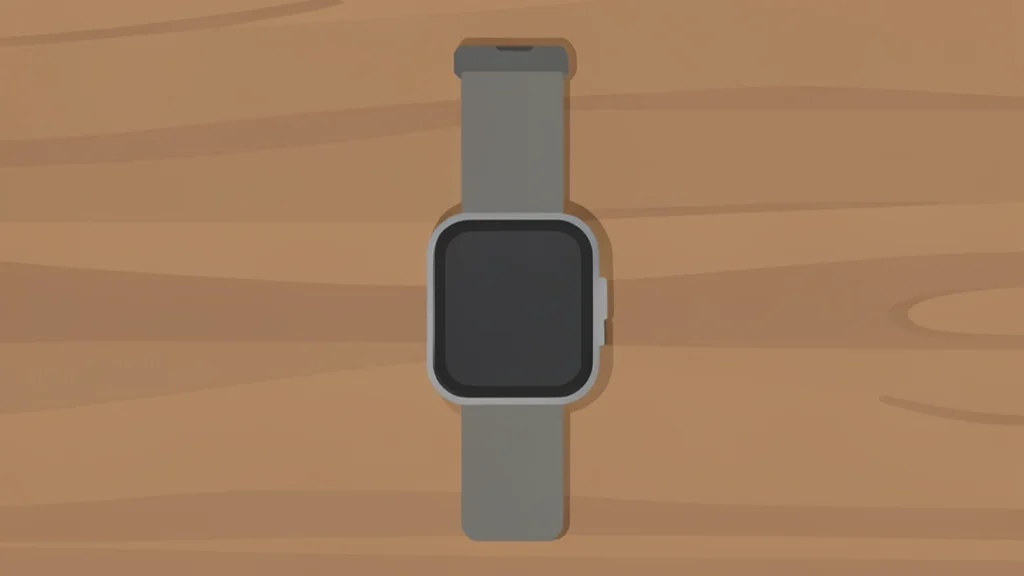
A new fitness band from Garmin targets users tired of subscription costs, offering a durable, screenless tracker that lasts ten days on a single charge.
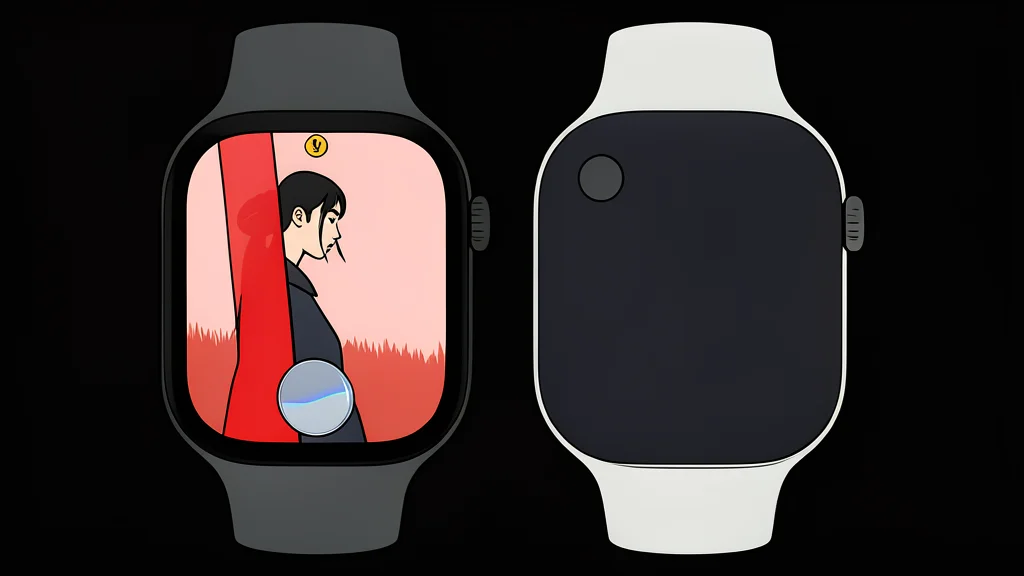
Garmin has introduced the Circa Smart Band, a screenless wearable designed to compete with established rivals like Whoop. The device distinguishes itself primarily through a one-time purchase model, eliminating the recurring monthly fees that define the competitor’s ecosystem. This approach addresses a growing segment of consumers who prefer owning their hardware outright rather than paying for access to basic health metrics.
According to reporting from GN auto tech and wearables, the Circa focuses on durability and extended battery life. It features a sturdy Velcro strap and a lightweight sensor module, aiming for comfort during long-term wear. While the hardware promises reliability for multi-day activities, the software experience presents notable challenges, particularly regarding app navigation and privacy permissions.
Hardware Durability and Battery Performance
The physical design of the Circa prioritizes robustness. The adjustable Velcro strap accommodates various wrist sizes and withstands intense physical activity, while the lightweight sensor module reduces discomfort during sleep or exercise. This build quality positions the device as a reliable option for active users who require a tracker that can endure daily rigors without frequent replacement or adjustment.
Battery efficiency is a central strength of the device, with a single charge lasting up to ten days. This extended interval significantly reduces the frequency of recharging, which is particularly beneficial for users engaged in multi-day outdoor activities like hiking or camping. The quick and straightforward charging process further minimizes downtime, ensuring that tracking remains uninterrupted for those who prioritize convenience over constant connectivity.
Software Limitations and User Experience
Despite strong hardware, the Circa relies on the Garmin Connect app for data access and management. Users have reported that the app’s navigation can be complex, making it difficult to locate specific health insights. Additionally, the software requests intrusive location permissions, which may raise privacy concerns for some users. These friction points in the user interface detract from the otherwise seamless hardware experience.
In comparison to competitors, the Circa excels in affordability and build quality but lags in real-time data accessibility. The lack of a screen means all data must be viewed via the smartphone app, which can be less intuitive than competitors with more streamlined interfaces. This trade-off suggests that while the device is cost-effective, it requires a user willing to navigate a more complex digital ecosystem to retrieve their health information.
Cost Implications for Consumers
The subscription-free model offers a distinct financial advantage over rivals like Whoop, which require ongoing payments for access to core features. For budget-conscious consumers, the Circa provides extensive fitness tracking, sleep monitoring, and heart rate analysis without the long-term financial commitment of a subscription. This makes it a compelling alternative for those who view recurring wearable fees as an unnecessary expense.
However, the lower upfront cost does not account for potential software improvements. Users should be aware that the current app experience may not match the polish of subscription-based services. The decision to choose the Circa ultimately depends on whether the savings from avoiding monthly fees outweigh the inconvenience of a less intuitive app and the lack of real-time on-device feedback.