Saudi Ceer Exobot Debuts with 850 Hp and 670 Km Range
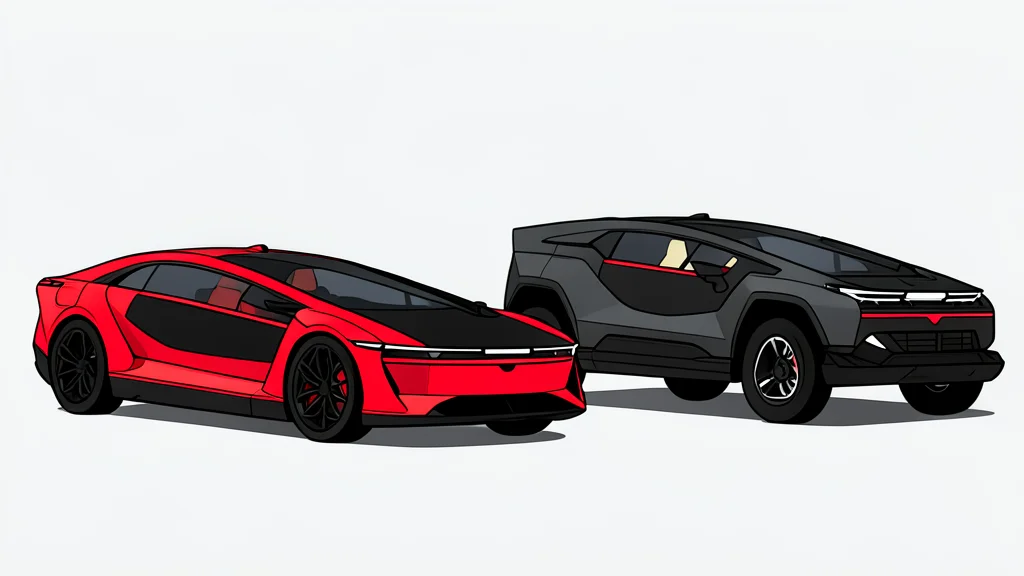
Saudi Arabia's first homegrown EV brand unveils the Ceer Exobot, a high-performance sedan and SUV set for 2027 launch.
Key points
- The Ceer Exobot sedan and SUV produce up to 850 hp and offer ranges of 670 km and 560 km respectively.
- The vehicles feature a 48-inch panoramic display, steer-by-wire, and a design that removes B-pillars for wider access.
- Ceer relies on Foxconn, Rimac, and BMW for technology, with production starting in January 2027.
Saudi Arabia has officially entered the passenger car market with the unveiling of the Ceer Exobot, a pair of electric vehicles that represent the flagship models for the country’s first domestically produced automotive brand. According to Electric Cars Report, the debut was announced by Crown Prince Mohammed bin Salman, marking a significant milestone in the nation’s strategy to diversify its economy beyond oil.
The Exobot lineup consists of a premium sedan and a large SUV, both powered by a tri-motor all-wheel-drive system capable of producing up to 850 horsepower. While the vehicles feature futuristic styling and advanced technology, the project relies heavily on international partners for its core engineering and manufacturing infrastructure.
Performance specs outpace traditional luxury
Both models are equipped with a 112 kWh battery and an 800-volt electrical architecture, enabling DC fast charging from 10% to 80% in approximately 30 minutes. The sedan achieves a 0-100 km/h acceleration time of 2.6 seconds, while the SUV manages 2.9 seconds, figures typically associated with high-performance sports cars rather than standard luxury vehicles.
Range estimates vary by body style, with the sedan offering up to 670 km on the NEDC cycle and the SUV providing up to 560 km. Despite these impressive metrics, Ceer has not yet disclosed pricing, leaving a significant gap in information for potential buyers in the initial target markets of Saudi Arabia and the wider Gulf region.
Radical design requires structural compromises
The Exobot’s exterior design is defined by a wedge-shaped profile and the elimination of conventional B-pillars, a structural choice that allows for a wider opening but requires the use of high-strength materials to maintain safety integrity. The vehicles also feature gullwing doors and a silver-coated windshield designed to reflect heat, a functional adaptation for the extreme Gulf climate.
Inside, the cabin is dominated by a 48-inch curved display that stretches from pillar to pillar, alongside a separate 10.4-inch control screen. The interior includes steer-by-wire technology and a camera-based mirror system, replacing traditional physical mirrors. However, the reliance on digital interfaces and complex structural engineering introduces additional points of potential failure compared to conventional vehicle designs.
Dependence on global tech partners
Although Ceer is a Saudi brand established by the Public Investment Fund, the Exobot program is built on a network of international collaborations. Foxconn is responsible for the platform and electrical architecture, while Rimac Technology supplies the rear electric drive units. BMW also holds a technology agreement, contributing engineering and manufacturing expertise to the project.
Series production is scheduled to begin in January 2027, with customer deliveries expected to start in March of the same year. This timeline highlights that the Exobot is currently in the pre-production phase, meaning the final consumer experience and reliability data remain untested by the public. The heavy reliance on external partners like Foxconn and Rimac suggests that while the brand is local, the core automotive technology is globally sourced.