Silent Motorcycles Help Rangers Track Wildlife in Kenya
In Kenya's Maasai Mara, electric motorcycles are replacing noisy petrol engines, offering rangers a quiet way to protect wildlife and reduce fuel costs.
Joshua Kijape, a ranger in Kenya's Maasai Mara, relies on the silence of his electric motorcycle to do his job. Without the rumble of a combustion engine, he can approach animals without startling them or sneak up on poachers who cannot hear him coming. This quiet capability is a key reason conservation teams are starting to adopt electric transport in one of Africa's most critical ecosystems.
The shift is part of a broader effort to integrate renewable energy into remote areas. Instead of shipping fuel from distant ports to power petrol bikes, operators are using solar energy to charge vehicles on-site. According to GN auto tech/ev, this approach aims to lower maintenance costs and reduce the environmental footprint of conservation work, proving that clean technology can function effectively in demanding, off-grid environments.
Solar Power Solves Remote Fuel Issues
Logistics have always been a challenge in the Maasai Mara. Supplying petrol to remote camps is expensive and difficult. By switching to electric motorcycles charged by solar panels, operators eliminate the need to transport heavy fuel tanks into the bush. This not only cuts costs but also reduces the risk of fuel spills or fires in dry grasslands.
Filip Lovstrom, CEO of Nairobi-based electric motorcycle maker ROAM, notes that this setup is an engineering test for their vehicles. The bikes must handle rough tracks and long patrols. The economic argument is strong: solar charging is cheaper and more reliable than importing petrol, making it a practical solution for remote communities and conservation sites alike.
Charging Infrastructure Remains A Challenge
However, the transition is not without trade-offs. ROAM’s electric bikes can travel about 160 kilometers on a single charge, which covers most daily patrols. Yet, longer excursions require access to electricity. Since the bikes plug into standard sockets, operators must install small solar and battery systems along key routes. This means that while fuel logistics are solved, the need for reliable power infrastructure remains.
Lovstrom acknowledges that just as rangers previously needed access to petrol, they now need access to clean electricity. Building these charging points requires upfront investment and careful planning, but it creates a more sustainable long-term model for remote operations.
Quiet Vehicles Benefit Wildlife And Tourists
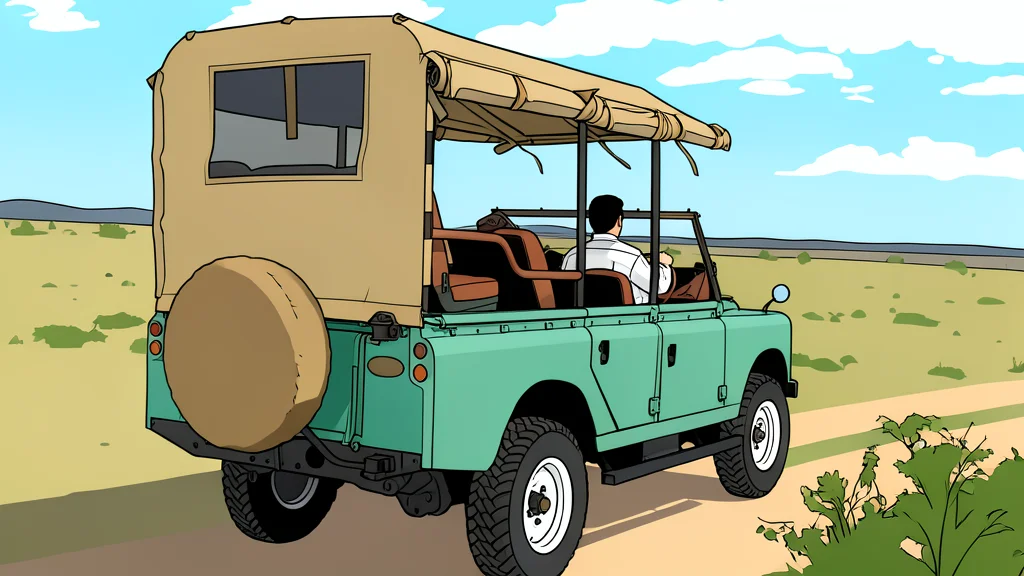
The benefits extend beyond logistics. Noise pollution from petrol engines can stress wildlife, particularly during sensitive periods like the wildebeest migration. Electric vehicles operate quietly, creating a more serene environment for both animals and tourists. Loic Amado, who has used electric safari vehicles at Emboo River Camp since 2019, describes the technology as economical, sustainable, and highly effective.
As the Great Migration brings thousands of animals and visitors to the grasslands, the quiet operation of these vehicles minimizes disturbance. This aligns with the goals of conservation groups who want to reduce the human impact on the ecosystem. The success in the Maasai Mara suggests that electric mobility could become a standard tool for protecting wildlife across Africa.