Silent Patrols in the Maasai Mara
Kenyan rangers are swapping noisy petrol bikes for electric models charged by the sun, aiming to protect wildlife and cut fuel costs in remote reserves.
In the tall grass of Kenya’s Maasai Mara, a ranger named Joshua Kijape navigates his motorcycle with a new level of stealth. The motor is nearly silent, leaving no exhaust and offering little auditory warning to the animals he protects. For Kijape, this quietness is a tactical advantage, allowing him to approach wildlife without disturbing them and to track poachers without being heard.
This shift represents a broader effort to integrate clean energy into Africa’s wildlife reserves. Conservation operators are testing whether electric mobility can replace petrol-powered transport, reducing both maintenance costs and the noise pollution that disrupts one of the continent’s most critical ecosystems during the busy wildebeest migration season.
Solar power meets the bush
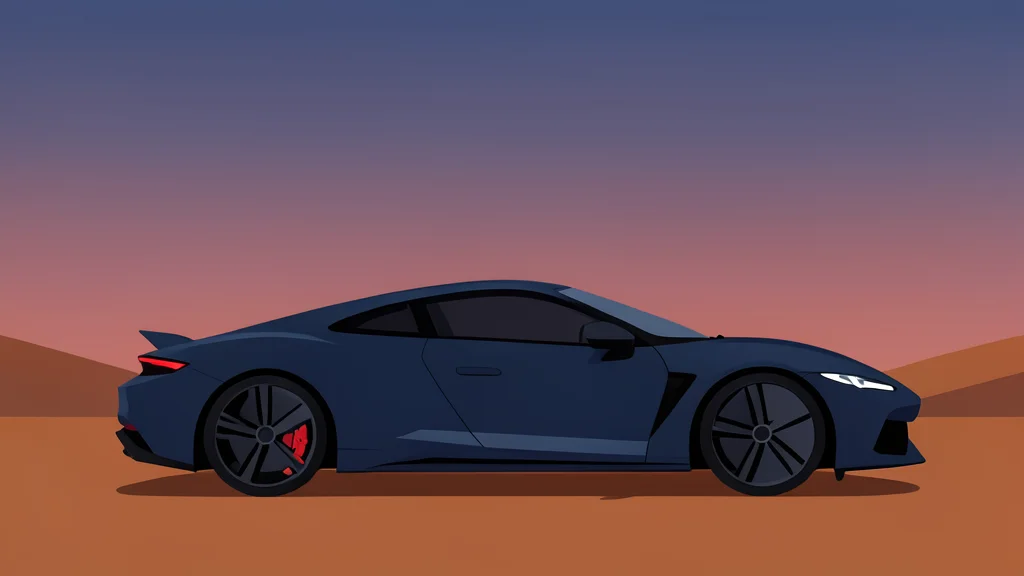
The motorcycle Kijape rides is made by ROAM, a Nairobi-based company that views the reserve as a rigorous engineering test. The goal is to prove that an electric vehicle built in Kenya can handle rough tracks and remote conditions. By eliminating the roar of a petrol engine, the bike creates a serene environment that benefits both the local fauna and the tourists observing them.
Jason Knauf, CEO of the Earthshot Prize, notes that this development demonstrates the energy transition is reaching far beyond urban centers. He argues that if clean technology can prove reliable and effective in such a demanding environment, it strengthens the case for scaling similar solutions across other remote conservation landscapes and communities.
Economics drive the adoption
While the environmental benefits are clear, the financial logic is equally compelling. Shipping petrol from the port of Mombasa to remote lodges is costly and logistically difficult. ROAM CEO Filip Lovstrom points out that charging bikes with solar power on-site eliminates the need for this fuel supply chain, making the operation significantly more economical in the long run.
This economic shift is already visible at Emboo River Camp, which has used solar-charged electric safari vehicles since 2019. Loic Amado, the camp’s co-founder, describes the setup as a prime use case, highlighting the vehicles as silent, sustainable, and most importantly, cost-effective for remote operations.
Charging infrastructure remains a challenge
However, the transition is not without practical hurdles. A ROAM bike can travel about 160 kilometers on a single charge, but longer patrols require access to electricity. Lovstrom notes that just as rangers previously needed reliable access to petrol, they now need access to charging points. This requires building stations around small solar and battery systems along the routes.
Despite these challenges, the model is expanding. Amado’s broader sustainability operation now supports 25 lodges across East Africa with solar power and electric vehicle conversions. The source of these reports, GN auto tech/ev: electric vehicle, highlights how what began as a local experiment is growing into a regional standard for sustainable conservation.