Why Smart Home Devices Fail Sooner than Expected
Smart home gadgets often promise a decade of service, yet many components wear out much faster. Understanding these hidden weaknesses helps you plan for replacements before they break.
There is a common misconception that smart home devices are built to last as long as traditional appliances. While some core systems remain reliable, specific components within these gadgets have significantly shorter lifespans than consumers expect. These limitations are often hidden until the device begins to malfunction, leading to frustration and unexpected replacement costs.
According to a recent report by GN technics/smarthome (en-US), several popular smart home items are prone to early failure due to their mechanical or electronic nature. Rather than failing all at once, many of these devices degrade gradually or suffer from partial breakdowns that compromise their utility long before they stop working entirely.
Bulbs and Plugs Have Mechanical Limits
Smart light bulbs, particularly color-changing varieties, are not immune to component fatigue. It is common for individual LEDs within a single bulb to begin flickering or shifting colors while the rest of the unit continues to function. This partial failure means the bulb is no longer usable for its intended purpose, even though it has not completely died. Users often find themselves stuck with a device that produces an unwanted hue, such as a harsh blue or red light, until the entire unit fails.
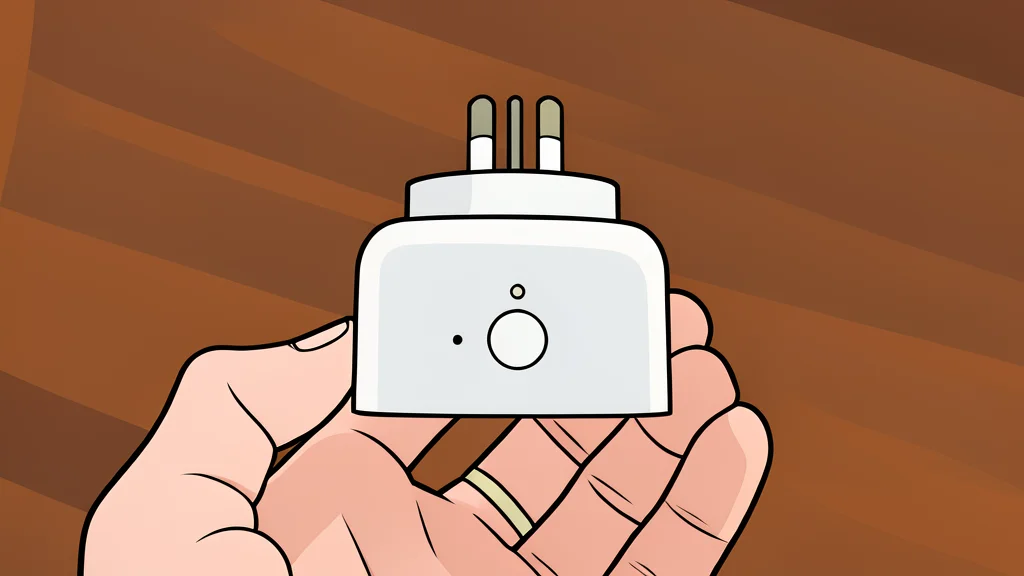
Smart plugs face a similar issue due to the electromechanical relays inside them. These relays physically switch the power on and off, creating a clicking sound that is familiar to many users. Over time, this mechanical action wears down the contacts, eventually causing the plug to stop switching reliably. The lifespan of these relays depends heavily on the quality of the parts and the load placed on the plug; high-power devices generate heat that accelerates this wear and tear.
Memory Cards Wear Out Quickly
Many smart home hubs, such as those running Home Assistant on a Raspberry Pi, rely on microSD cards for storage. These cards are not designed for the constant read and write operations required by an operating system. As a result, they suffer from accelerated wear and can fail unexpectedly, taking the entire smart home network offline. While software updates have improved safety, the physical limitation of flash memory remains a significant point of failure.
To mitigate this risk, experts recommend upgrading to solid-state drives or mini PCs that use more durable storage methods. Additionally, regular backups are essential because the failure of a memory card can result in the loss of all automation configurations. This makes the initial convenience of using a cheap microSD card a potential long-term liability for home automation enthusiasts.
Sensors Drift and Require Replacement
Air quality and climate monitors are another category of device with a limited lifespan. Unlike a broken bulb, sensor failure is often silent and gradual. Humidity and carbon dioxide sensors can drift out of calibration over time, providing inaccurate data without any obvious warning. This drift can lead to incorrect readings, causing the smart home system to make poor decisions regarding heating, cooling, or ventilation.
Carbon monoxide sensors are even stricter, often programmed with an expiration date and a distinct alarm sound to signal that they must be replaced. Even when sensors are still within their rated lifespan, their accuracy can degrade. Users are advised to perform simple calibration tests, such as the salt test for humidity sensors, to ensure their devices are still providing reliable data. Ignoring these subtle signs of aging can leave a home vulnerable to undetected environmental hazards.