Germany Faces Road Funding Crisis as EV Sales Rise
As electric vehicles gain market share, Germany is watching a core source of road infrastructure funding shrink. This shift creates a financial gap that policymakers must address before it becomes unmanageable.
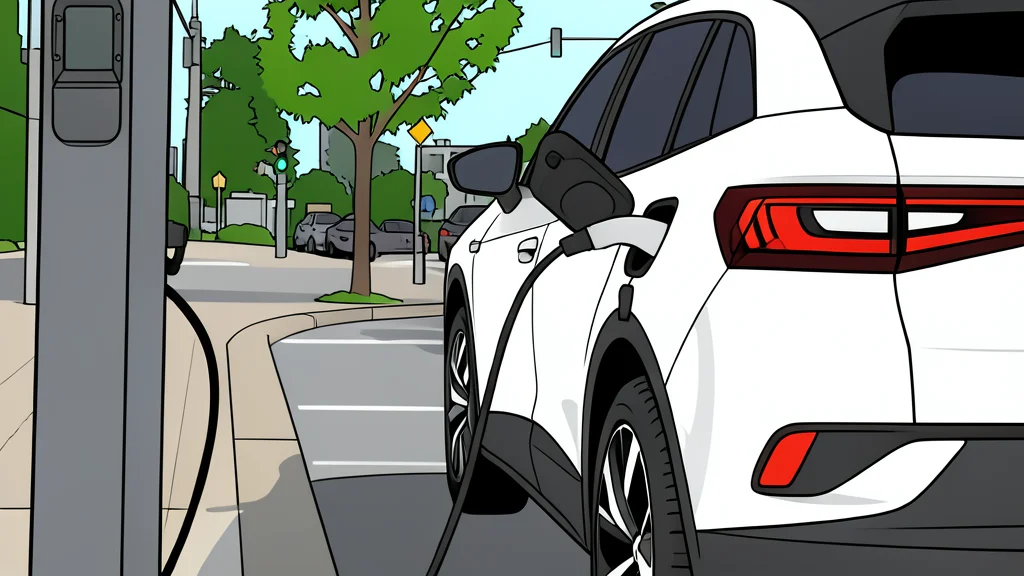
Germany is experiencing a significant decline in tax revenue from fuel consumption, a direct result of consumers switching to electric vehicles. Data indicates that income from energy taxes on petrol and diesel dropped from €37 billion in 2016 to €33 billion last year. This trend is accelerating as electric car sales in Europe surged by nearly 30% in the first quarter of 2025 compared to the previous year. High fuel prices and growing environmental awareness have pushed drivers away from fossil fuels, fundamentally altering the financial landscape for road maintenance.
The core issue is that the current funding model is tied to consumption. When drivers stop buying petrol or diesel, the state loses the associated tax revenue. Experts from the Kiel Institute for the World Economy note that this is not just a temporary dip but a structural change. Electric vehicle owners currently pay only a minimal electricity tax instead of the substantial levies on fossil fuels. This means the government must find new ways to pay for the infrastructure that serves all road users, regardless of their power source.
Fuel taxes lose their grip
The financial difference between fueling a car with gasoline or electricity is stark. In Germany, the energy tax on a litre of diesel is 47.04 cents, while petrol carries a tax of 65.45 cents. When you add the carbon levy and 19% value-added tax, a litre of petrol priced at €2.10 contains €1.14 in taxes. For an electric vehicle, the cost to charge is significantly lower in terms of taxation. This disparity means that as the fleet electrifies, the state’s revenue stream from fuel sales evaporates, leaving a hole in the budget for road repairs and construction.
Projections from the scientific advisory council at the Ministry of Transport suggest this decline could be dramatic. By 2050, energy tax revenue could fall to just €5 billion. To make the switch more attractive, electric vehicles are also exempt from vehicle tax until 2035, and companies investing in them retain tax benefits. Although state purchase incentives were abolished at the end of 2023, the structural shift toward electric transport continues to outpace the adaptation of the tax system.
Exploring alternative funding models
Policymakers are looking for ways to replace the lost fuel tax revenue without imposing heavy burdens on early adopters of green technology. One recommended approach is a distance-based charge, where drivers pay based on how many kilometers they travel and the congestion of the roads they use. This model aligns costs with actual road usage rather than fuel consumption. Other options under consideration include a fixed-period vignette, similar to a toll sticker, or an increase in the standard vehicle tax. The goal is to ensure that all drivers contribute fairly to the maintenance of the road network.
Germany is not alone in grappling with this challenge. Several other nations are already moving away from fuel-based taxes. The United Kingdom plans to introduce mileage-based charges for electric vehicles and plug-in hybrids starting in April 2028. New Zealand and Iceland have begun using annual odometer checks to calculate payments, while Switzerland intends to introduce a road charge for electric vehicle owners by 2030. These international moves suggest a global trend toward usage-based financing, offering a potential blueprint for Germany to follow.
The urgency of reform
Experts warn that delaying reform risks a financial crisis in road infrastructure. A study by the University of Münster advises against waiting until the tax shortfall becomes so large that authorities are forced into hasty, potentially unpopular decisions. The transition to electric vehicles is irreversible, and the funding model must evolve to match reality. By proactively implementing new charging mechanisms, Germany can maintain a sustainable budget for its roads while continuing to support the transition to cleaner transport. This is a necessary adjustment to ensure that the benefits of electric vehicles do not come at the expense of public infrastructure.