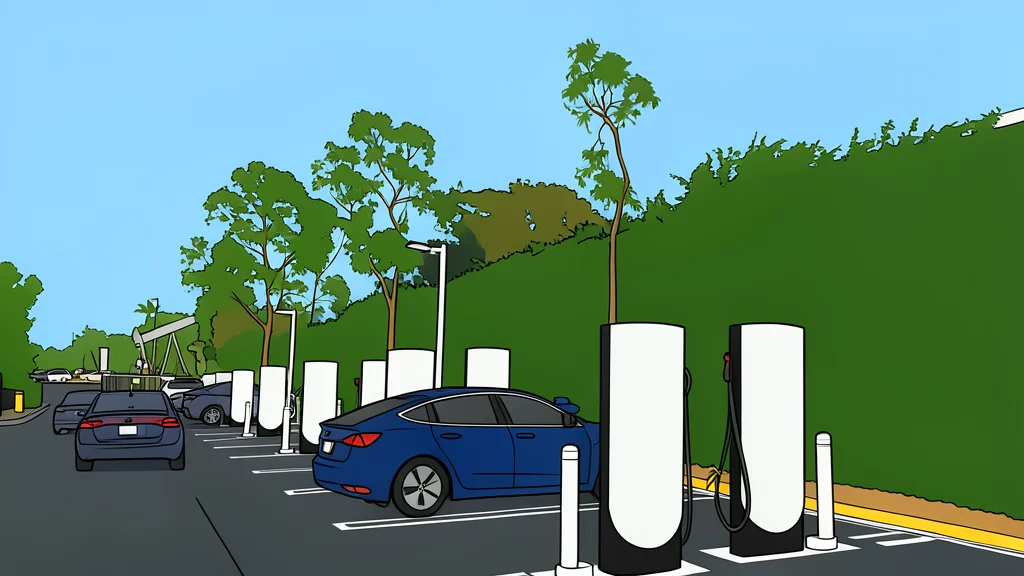
Tokyo Subsidies Make Tesla Model Y the World's Cheapest EV
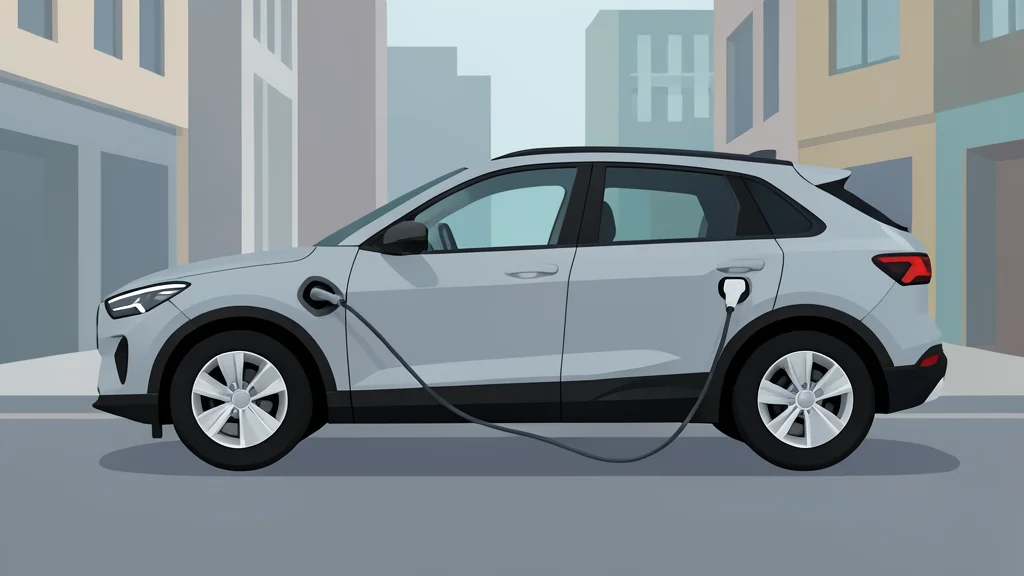
A unique mix of national and local incentives has pushed the effective price of the Tesla Model Y in Tokyo below levels seen in any other major market, including its home country and the United States.
Buyers in Japan’s capital are currently securing the Tesla Model Y at the lowest effective price available globally. This shift is not driven by a change in the manufacturer’s base price, but rather by a substantial stack of financial incentives. When national and municipal benefits are combined, the final cost for a Tokyo resident drops significantly, creating a pricing anomaly that outperforms even the Chinese market where the vehicles are assembled.
According to reporting from Bloomberg, the official sticker price for the Model Y in Japan sits at 5.6 million yen. However, eligible residents in Tokyo can claim benefits totaling approximately 2 million yen. This reduces the out-of-pocket cost to 3.6 million yen, a figure that translates to roughly $22,889. For context, this is notably lower than the price in China, where the same vehicle costs at least 263,500 yuan, or about $39,344.
Incentives Drive Global Price Gap
The primary driver behind this affordability is the aggressive local policy in Tokyo. While the United States offers federal subsidies of up to $3,500 for first-time electric vehicle buyers, the total cost in California remains above $36,000 after discounts. In contrast, the Japanese incentive structure provides a much deeper cut into the final price. This makes Tokyo an exceptional market for Tesla, even though the cars are imported from the company’s Shanghai plant in China.
This pricing dynamic has tangible market effects. In the first half of the year, the Model Y became the most imported car model in Japan. The low barrier to entry has accelerated adoption rates, positioning the electric SUV as a dominant force in the country’s auto imports. The gap between the subsidized Tokyo price and the list price elsewhere highlights how localized policy can reshape global competition.
Geopolitical Context for Auto Trade
The situation occurs against a backdrop of shifting trade relations between the United States and Japan. U.S. President Donald Trump has publicly called for increased sales of American-made cars in the Japanese market. Last year, the two nations reached a trade agreement in which the United States agreed to reduce import tariffs on Japanese vehicles. However, the current pricing advantage for the Tesla Model Y in Tokyo suggests that local subsidies are currently outweighing these broader trade adjustments for consumers.
For consumers, the catch is that this price advantage is strictly geographically limited. The 3.6 million yen price point is only accessible to those who qualify for specific Tokyo municipal benefits. Buyers in other parts of Japan or other countries cannot replicate this exact combination of discounts. As such, while the Model Y is the world’s cheapest electric SUV in this specific context, it remains a premium purchase in most other global markets.
Market Implications for Electric Adoption
The success of the Model Y in Tokyo underscores the power of government subsidies in accelerating electric vehicle adoption. By lowering the upfront cost barrier, local authorities have effectively subsidized the transition to cleaner transportation. This trend aligns with broader global efforts to reduce emissions, although the specific mechanisms vary significantly by region. The data indicates that when financial incentives are sufficient, consumer preference can shift rapidly toward electric options.
As other regions consider their own incentive structures, the Tokyo example serves as a case study in effective policy design. It demonstrates that targeted local benefits can create a competitive edge that national policies alone may not achieve. For Tesla, this means a strong foothold in one of the world’s largest automotive markets, achieved not just through product design, but through strategic alignment with local economic policies.