UK Hobbyist Builds 8-Bit Computer Using 460 Vacuum Tubes
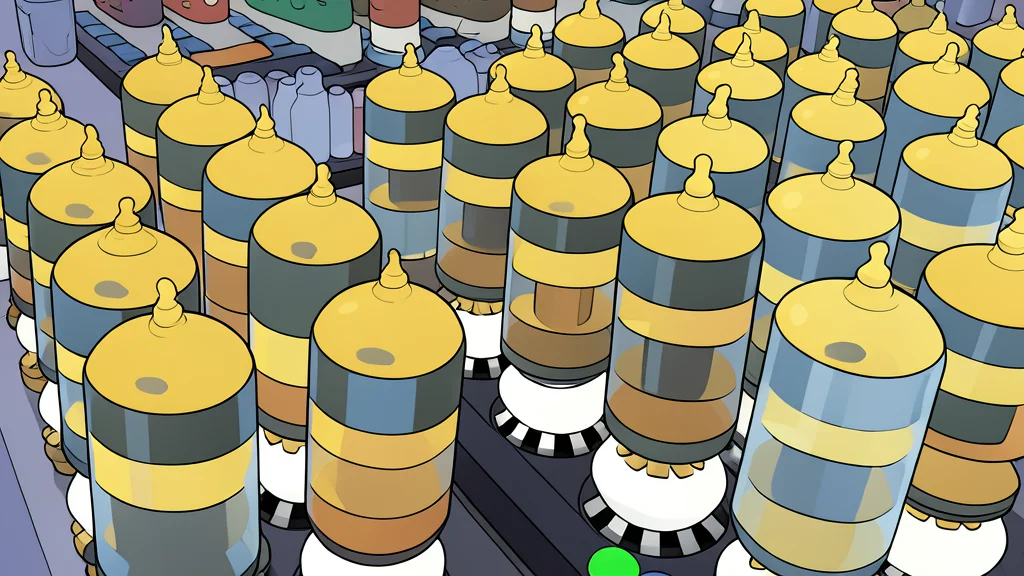
A retired British engineer has mounted a wall-sized computer made of 460 vintage vacuum tubes in his home. The machine is designed to run a flight simulator, though it has exploded twice so far.
A retired engineer in the United Kingdom has installed a unique computing device on a brick wall in his home. The machine is an 8-bit computer constructed entirely from 460 recycled vacuum tubes, a technology largely abandoned since the 1950s. Unlike modern silicon chips, this system relies on heating glass envelopes to control electrical flow, creating a visual and sensory experience that is distinctly analog.
The builder, who goes by the name Mike, intends to use the computer to run a flight simulation program he has already coded. However, the project is not yet complete. He is currently finalizing the status system required to execute the software. The machine draws roughly one kilowatt of power, primarily to heat the filaments inside the tubes, making it a significant energy consumer compared to a modern laptop.
Soviet components form the core
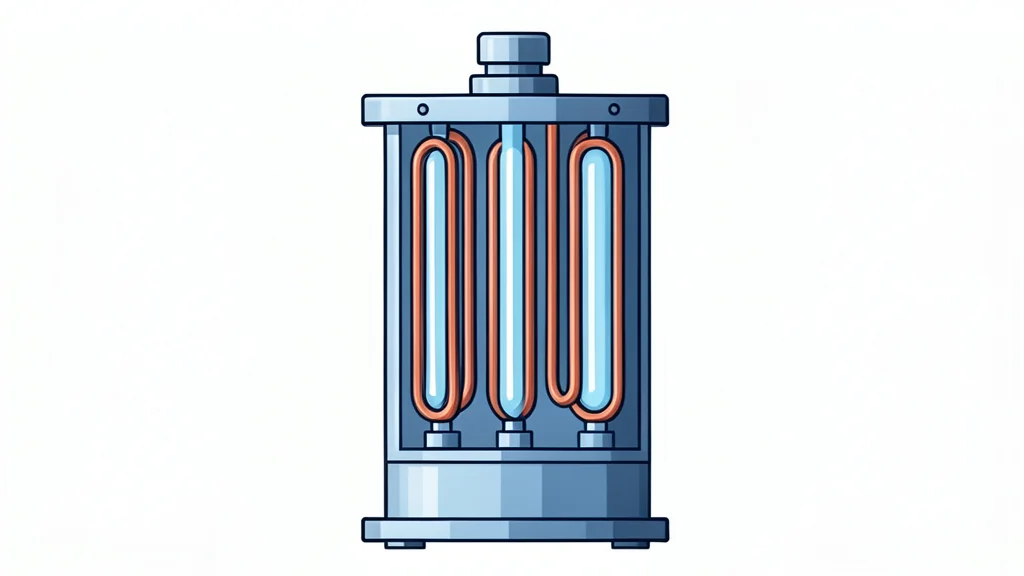
The hardware relies on 920 individual triodes housed within 460 double-triode tubes. These components are Soviet-designed 6N3P units, each wired to function as a NOR gate. This approach mirrors the logic used in the Apollo Guidance Computer, where complex systems are built from simple, identical building blocks. The tubes are mounted on plug-in boards across a large acrylic panel that measures 190 by 130 centimeters.
According to GN auto tech/hardware, the design prioritizes simplicity and safety over speed. The high-tension supply is kept below 100 volts, well under the maximum rating of the tubes. This allows components to be placed very close together, creating a dense but visually clean layout. The instruction set supports 16 basic operations, including addition and logical functions, allowing the machine to perform slow but precise arithmetic.
Heat and odor are side effects
Operating the computer produces noticeable heat and a distinct smell. Upon startup, the tubes glow red as their filaments heat up. The room fills with the scent of dust burning off the glass envelopes, a phenomenon the builder describes as a pleasant homely aroma. This side effect is inevitable with vacuum tube technology, as the heat drives out residual gases and particles accumulated over decades of storage.
The machine currently drives a set of flip-digit displays originally made for British Rail station clocks in the 1980s. These displays provide a visual output for the computer's status. While the flight simulator is the ultimate goal, the current setup serves as a proof of concept for the logic and control systems. The builder notes that the timing logic is intentionally simple to avoid the complexity that often plagues tube-based designs.
Safety concerns remain prominent
Despite the careful design, the project has experienced significant failures. Mike reports that previous iterations of the machine have exploded at least twice. In one incident, he had to pull plugs in a panic to stop the reaction. In another, his wife continued decorating a Christmas tree while he dealt with the aftermath. As a precaution, a fire extinguisher is now kept nearby during testing sessions.
The trade-off for using vintage technology is a lack of modern safety features and efficiency. The machine is not portable, consumes substantial electricity, and poses a fire risk. However, for the builder, these are acceptable compromises for the sake of creating a working computer from mid-20th-century components. The project stands as a testament to the enduring appeal of analog computing and the dedication of hobbyists who push the limits of obsolete technology.