Toyota Targets 400,000 EREV Sales in China by 2028
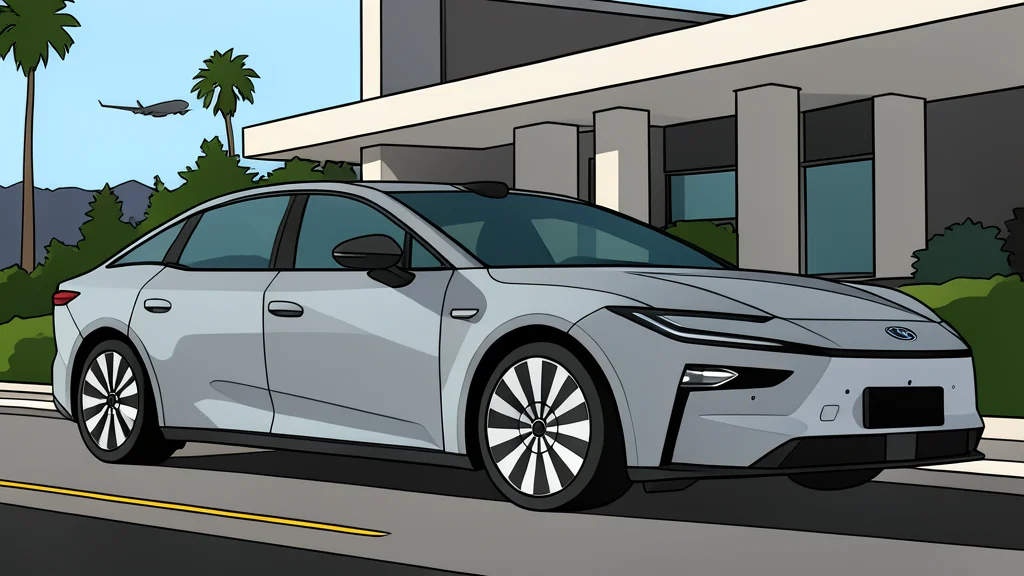
Toyota plans to launch extended-range electric vehicles in China in 2027 to avoid the price war dominated by local pure EV makers.
Key points
- Toyota will begin producing EREVs in China in spring 2027, targeting 200,000 units in its first year.
- EREVs use a small engine to charge the battery, offering electric driving feel without large battery costs.
- Toyota uses local Chinese suppliers like BYD for batteries to reduce costs and compete with local brands.
Toyota is preparing to launch its first extended-range electric vehicle, or EREV, in China in the spring of 2027. This move marks a strategic shift for the Japanese manufacturer as it seeks to compete in a market where local rivals like BYD have driven down prices for pure battery-electric vehicles.
According to reports cited by VOI.ID, Toyota aims to produce approximately 200,000 of these units in 2027, doubling that figure to 400,000 in 2028. The strategy allows Toyota to offer a car that drives like an electric vehicle but includes a small gasoline engine to extend range, sidestepping the intense cost pressures associated with large battery packs.
How EREV technology differs from hybrids
An EREV uses an electric motor to drive the wheels, while a smaller gasoline engine acts solely as a generator to charge the battery when it runs low. This setup provides a smoother, electric-like driving experience without the need for the massive batteries found in pure electric cars.
However, this configuration comes with trade-offs. Because the vehicle still contains an internal combustion engine, it requires more maintenance than a pure electric car. Additionally, its overall energy efficiency remains lower than that of a battery-electric vehicle, which is the most efficient option for long-term fuel savings.
Avoiding the Chinese price war
Toyota executives state that the Chinese market is increasingly focused on pure electric vehicles, leading to a fierce price war. By introducing the EREV as its fifth electrification technology, Toyota aims to offer a more complex product that avoids direct competition on price with local battery-electric rivals.
This approach also addresses regulatory nuances in China. Hybrid vehicles do not qualify for new energy vehicle incentives, whereas the EREV fits into a category that allows Toyota to maintain competitiveness without being forced into the lowest price bracket.
Reliance on local Chinese supply chains
Toyota is increasingly integrating Chinese components into its vehicles to reduce costs and improve localization. Estimates suggest that the Toyota bZ3X, a current electric SUV sold in China, uses nearly 90 percent of its parts from local sources.
These local components include batteries supplied by BYD and autonomous driving software developed by Momenta. This trend reflects a broader shift among global automakers who are leveraging China's mature electric vehicle supply chain to develop their next-generation models.