UL Solutions Launches Safety Standards for Vehicle-to-Grid Charging

A new certification program establishes safety benchmarks for electric vehicles that feed power back into the electrical grid, addressing a critical gap in infrastructure standards.
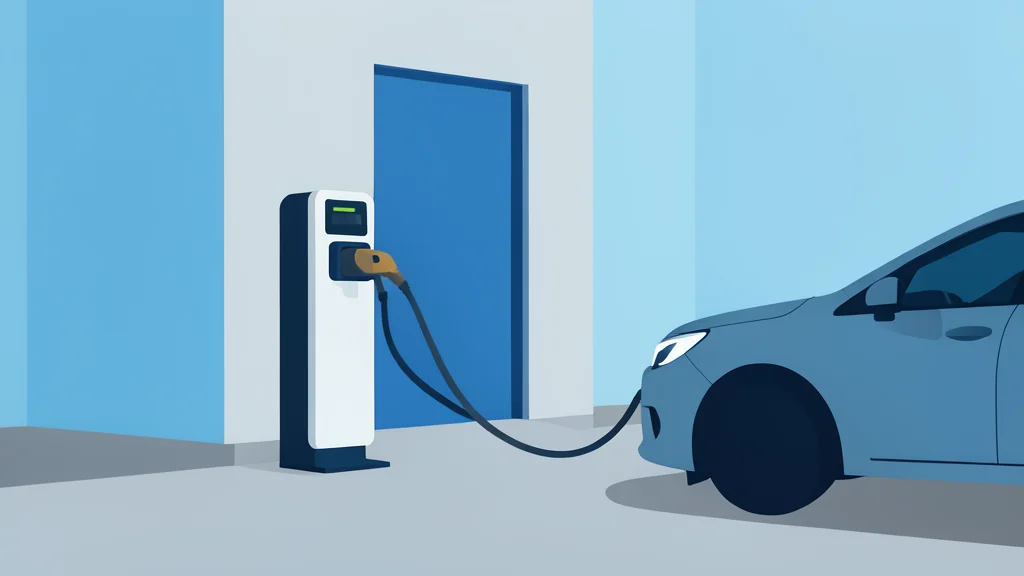
UL Solutions, a US-based testing and certification firm, has introduced a new program to certify vehicle-to-grid (V2G) technology. This initiative allows electric vehicles to act not just as consumers of electricity but as temporary storage units that can supply power back to the electrical grid. The company aims to standardize the safety and performance of the hardware that facilitates this two-way energy flow.
The move comes as utilities and communities seek ways to stabilize the power grid using the vast battery capacity of parked electric vehicles. By providing a recognized certification path, UL Solutions intends to build confidence among manufacturers, utilities, and consumers that these bidirectional systems operate safely and reliably under real-world conditions.
Standardizing Bidirectional Energy Flow
The new certification aligns with UL 1741 Supplement SC, a standard covering inverters and controllers used in distributed energy resources. This framework specifically addresses the equipment that acts as a bridge between the vehicle and the utility grid. It ensures that the hardware can monitor and manage electricity flow while meeting strict interconnection requirements set by power providers.
For a system to be fully compliant, it must work with vehicles equipped with onboard bidirectional inverters designed according to SAE J3072 standards. The certification also covers grid interconnection and performance support, integrating requirements from UL 9741, which governs electric vehicle power export equipment. This comprehensive approach ensures that both the vehicle and the external charging infrastructure meet rigorous safety benchmarks.
Turning Parked Cars Into Grid Assets
Wesley Kwok, vice president of UL Solutions' Energy and Industrial Automation group, noted that electric vehicles spend a significant amount of time parked. This idle time represents a missed opportunity if the batteries are not utilized. V2G technology allows this stored energy to be released back into the grid, turning unused capacity into a valuable resource for balancing supply and demand.
According to GN auto tech/ev, this technology is gaining traction globally. Recent trials, including one in Australia involving 33 vehicles, demonstrated that fleets can generate meaningful financial value by selling excess energy. In that specific 30-day test, the group produced a combined energy value of approximately US$404, showing potential even during periods of relatively flat wholesale prices and lower solar generation.
Trade-Offs and Infrastructure Gaps
While the potential for grid stabilization is high, the implementation of V2G technology is not without challenges. The primary trade-off involves the complexity of the infrastructure required. Unlike standard unidirectional charging, bidirectional systems demand more sophisticated hardware and rigorous testing to prevent safety hazards such as electrical feedback or grid instability.
Furthermore, widespread adoption depends on utility regulations and the willingness of energy providers to integrate decentralized sources. The certification program helps mitigate some of these risks by providing a clear set of standards, but it does not eliminate the need for coordinated efforts between automakers, hardware manufacturers, and utility companies. As the technology matures, the focus will likely shift from basic safety certification to optimizing efficiency and cost-effectiveness for both consumers and the grid.