Pennsylvania to Fund 85 New EV Chargers in Eastern Region
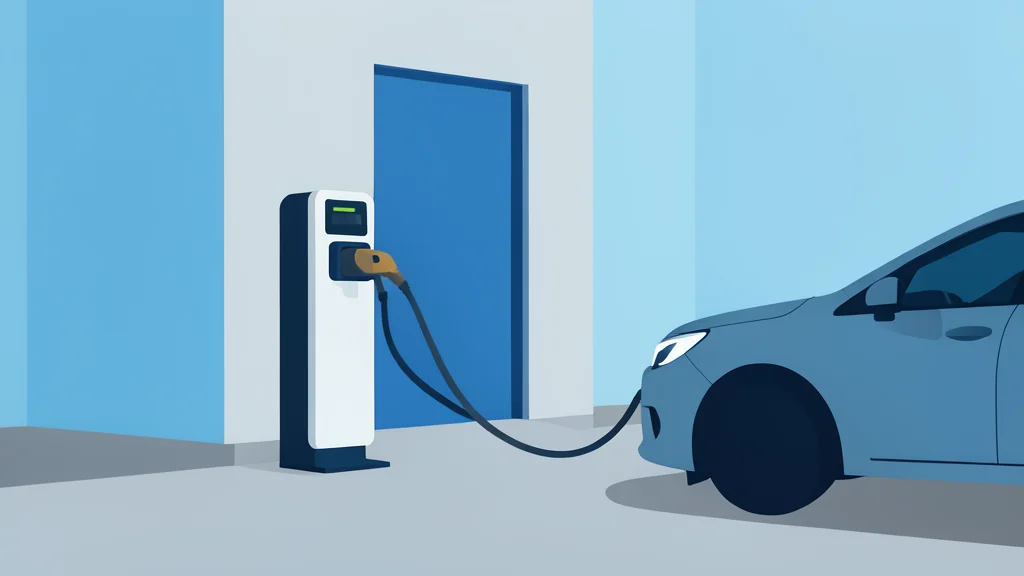
A new federal initiative aims to expand electric vehicle charging access in the Lehigh Valley and across eastern Pennsylvania, covering 80% of installation costs for eligible sites.
Pennsylvania’s transportation department has announced $32 million in funding to install up to 85 new electric vehicle chargers across the eastern part of the state. The initiative, part of the National Electric Vehicle Infrastructure program, targets specific community locations to make charging more convenient for residents. This move is designed to address the growing demand for reliable charging infrastructure as electric vehicles become more common on local roads.
The program will subsidize 80% of the costs associated with installing these stations, significantly lowering the financial barrier for businesses and government entities. Eligible applicants include grocery stores, libraries, places of worship, and medical offices. By focusing on high-traffic community hubs, officials hope to integrate charging into daily routines rather than requiring special trips to dedicated stations.
Funding targets community hubs
PennDOT Secretary Mike Carroll emphasized that the goal is to place chargers where people already go for daily activities. This strategy differs from earlier efforts that often focused on highway corridors or isolated commercial zones. By locating stations at doctor’s offices and economic development facilities, the state aims to remove the friction of finding a charger. This approach also supports local businesses by potentially increasing customer dwell time and foot traffic.
However, the funding is competitive. Not every applicant will receive support, and the selection process will prioritize candidates who demonstrate strong community impact and strategic location. This trade-off means some smaller or less central businesses may not be chosen, even if they express interest. The state must balance broad accessibility with the limited pool of available funds, ensuring that the installed infrastructure provides the maximum utility to the largest number of drivers.
Local leaders cite economic benefits
Heather Heeter of the Lehigh Valley Chamber of Commerce described the investment as a step toward economic competitiveness. She argued that having robust charging infrastructure prepares the region for future shifts in transportation. This readiness is seen as a key factor in attracting businesses and retaining talent. The argument suggests that a lack of charging options could become a disadvantage in the broader regional economy.
Bethlehem Mayor J. William Reynolds framed the issue as long-term planning for how people move and park. He noted that as more residents consider electric vehicles due to falling purchase prices and high gas costs, the infrastructure must keep pace. Becky Bradley of the Lehigh Valley Planning Commission added that the rising number of electric vehicles on the road makes this expansion necessary. The cost savings for drivers, such as avoiding expensive fuel stops, are a major driver for this transition.
Barriers and implementation challenges
Despite the funding, the rollout is not without hurdles. The 80% cost offset still requires local entities to cover the remaining 20%, which can be a significant expense for small organizations. Additionally, the installation process involves electrical upgrades and permitting, which can take months or even years. This delay means that the availability of new chargers will not be immediate, and drivers will need to plan accordingly in the interim.
According to GN auto tech/ev: electric vehicle, the program represents a significant shift in how public funds are allocated for transportation. It moves away from solely subsidizing vehicle purchases to investing in the supporting infrastructure. This dual approach is critical for the long-term adoption of electric vehicles. Without accessible charging, the environmental and economic benefits of electric cars remain limited to those who can easily access existing stations.