US States Ban Gas Cars from EV Spots with Fines
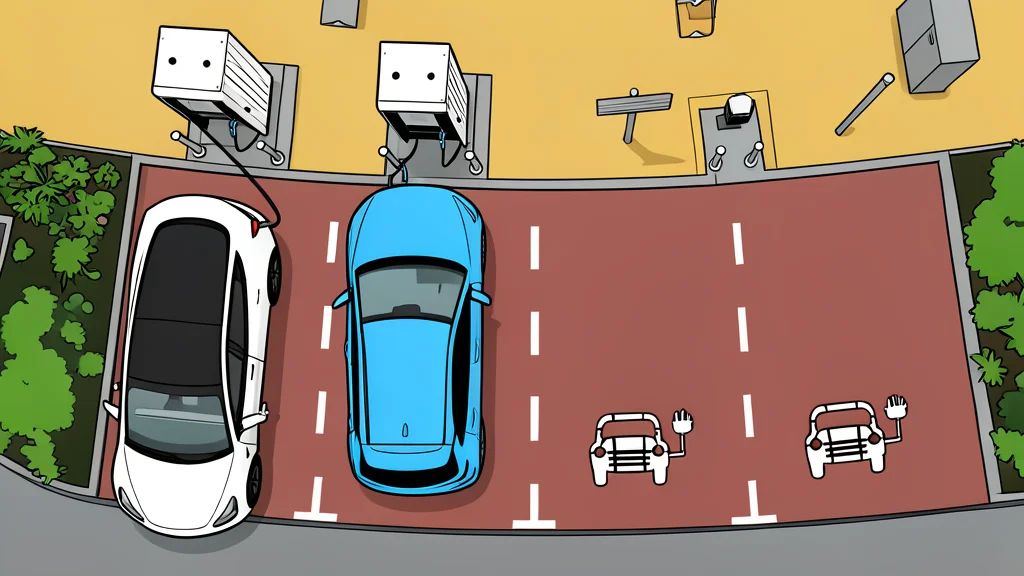
Parking a gas car in an EV spot is illegal in several US states. Fines apply in places like California and Florida.
Key points
- Over 81,000 charging stations exist in the US, with 28 million ports needed by 2030.
- States like California, Florida, and Washington ban gas cars from EV spots with fines or towing.
- Hybrid vehicle rules vary by state, with some including them in EV definitions while others remain silent.
Parking a gas car in an electric vehicle spot is illegal in several US states. This practice is known as ICEing. It blocks chargers that other drivers need.
The US has over 81,000 charging stations. The Department of Energy predicts a need for 28 million ports by 2030. Blocking access causes significant problems for EV owners.
States enforce strict parking bans
A handful of states have laws against ICEing. These include Rhode Island, Maryland, and Virginia. Drivers in these areas can face fines.
California goes further by allowing towing of offending vehicles. Florida and Washington also prohibit the practice. However, legal status varies by location.
Connecticut has restrictions but does not impose penalties. Some cities, like Seattle, have their own local rules. Drivers must check specific local laws before parking.
Hybrid cars face unclear rules
Rules for hybrid vehicles are often confusing. Nevada includes hybrids in its legislation. New Hampshire and Massachusetts treat them like EVs.
Other states do not mention hybrids explicitly. This creates ambiguity for drivers. The safest approach is to check local regulations.
Blocking chargers harms other drivers
Most laws require vehicles to be actively charging. If a car is not plugged in, it blocks the spot. This can leave other EVs stranded.
Even where illegal, blocking is inconsiderate. It prevents drivers with low batteries from charging. This etiquette is important for the growing EV network.