Volkswagen Prototype Covers 1,278 Km on One Charge
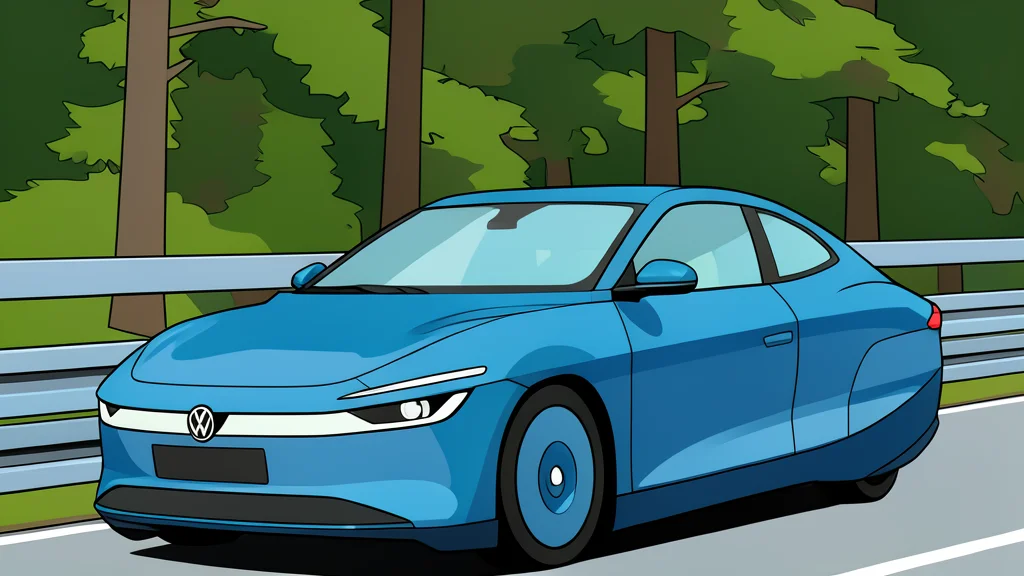
A new Volkswagen prototype has demonstrated that extreme aerodynamic efficiency can significantly extend the range of electric vehicles in real-world conditions.
Volkswagen has demonstrated that a single charge can carry an electric vehicle nearly 1,300 kilometers under real-world conditions. The Mission Efficiency prototype traveled from Wolfsburg to Vienna, covering 1,278 km with only one charging stop. This performance highlights how drastically reducing air resistance can extend the usable range of current battery technology.
The vehicle arrived at its destination with approximately 164 km of range remaining. According to data reported by GN auto tech/ev, the average energy consumption was 7.51 kWh per 100 km, including charging losses. This figure is notably lower than many standard production electric vehicles, suggesting that design efficiency is becoming a critical factor in reducing range anxiety.
Aerodynamics drive the efficiency gains
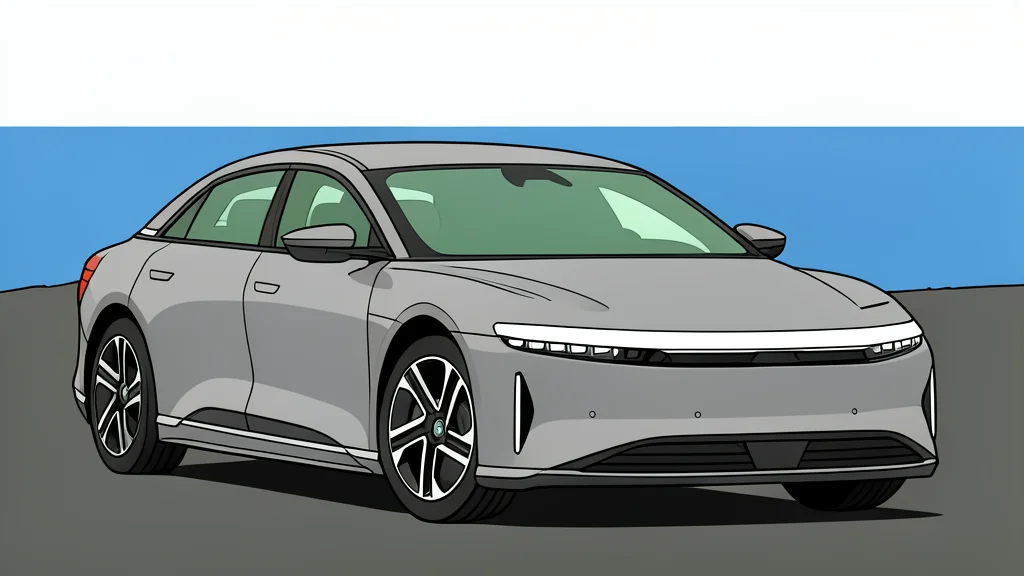
The core of this achievement is the vehicle's drag coefficient of 0.158. This is a record for road-legal cars, significantly lower than competitors like the Lucid Air at 0.197 and the Mercedes EQS at 0.20. The prototype achieves this through a teardrop-shaped body, a fully enclosed underbody, and specific rear-wheel fairings that smooth airflow.
These design choices reduce the energy required to move the car, especially at higher speeds. Volkswagen states that at speeds above 80 km/h, the prototype consumes more than 30% less energy than the standard ID. Polo. At 140 km/h, it requires roughly the same amount of energy as the ID. Polo does at 100 km/h, making it much more efficient on highways.
Prototype specs limit practical appeal
While the range is impressive, the vehicle is a prototype built on the MEB+ platform with front-wheel drive. It uses a 99 kW motor and battery components from the ID. Polo, which limits its acceleration and top speed compared to high-performance rivals. The primary goal is not speed or luxury, but proving that aerodynamic efficiency can make existing battery sizes go further.
The trade-off is clear: the sleek, low-drag design prioritizes efficiency over interior space and cargo capacity. This approach suggests that future mass-market electric vehicles may adopt similar aerodynamic features to improve range without requiring larger, more expensive batteries. However, the significant cost and complexity of such specialized engineering may limit its immediate adoption in entry-level models.