Volvo EX30 Cross Country Tested on Long South African Road Trips

A recent road trip from Johannesburg to Polokwane reveals how the Volvo EX30 Cross Country handles real-world electric driving, including charging logistics and everyday practicality.
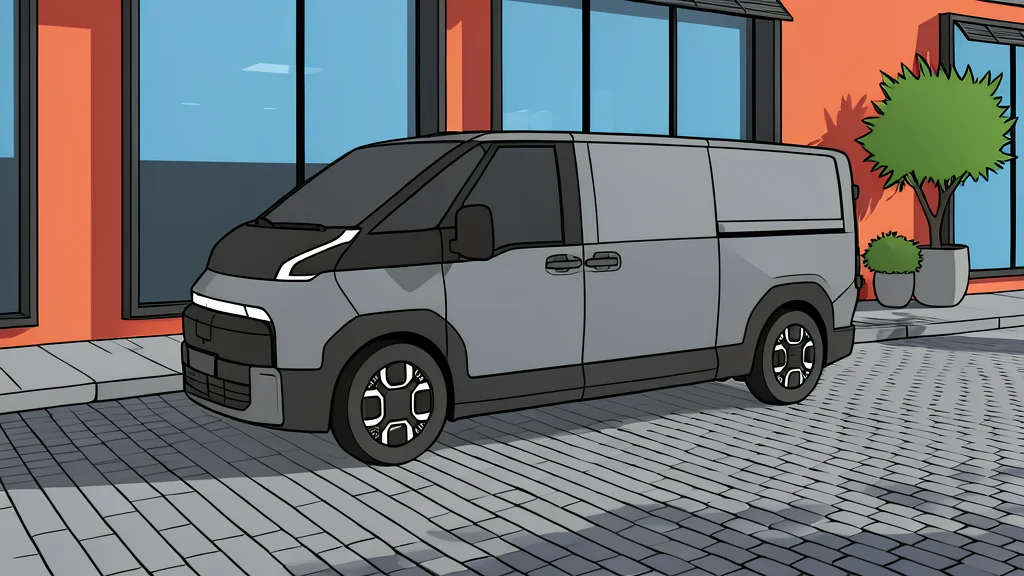
Motoring journalist Prashirwin Naidu recently completed a long-distance drive in the Volvo EX30 Cross Country, moving from Johannesburg to Polokwane. The journey was designed to test whether a compact electric vehicle can reliably replace a traditional petrol car for extended travel in South Africa. The primary focus was on real-world range and the ease of finding charging stations along the route.
Naidu, a self-described petrolhead, provided an honest assessment of the vehicle’s performance. He noted that while the car offers instant acceleration and a smooth ride, the experience is not without compromises. The trip highlighted both the capabilities and the limitations of electric mobility in the region, offering listeners a grounded view of what it is like to live with one of the market's most discussed premium EVs.
Real-world range and charging
A major concern for many drivers is range anxiety, the fear of running out of power before reaching a charger. Naidu’s journey from Johannesburg to Polokwane served as a practical test of this concern. He reported on the actual distance covered and the frequency of charging stops required. The experience suggests that while planning is necessary, the anxiety is often overstated for routes with adequate infrastructure.
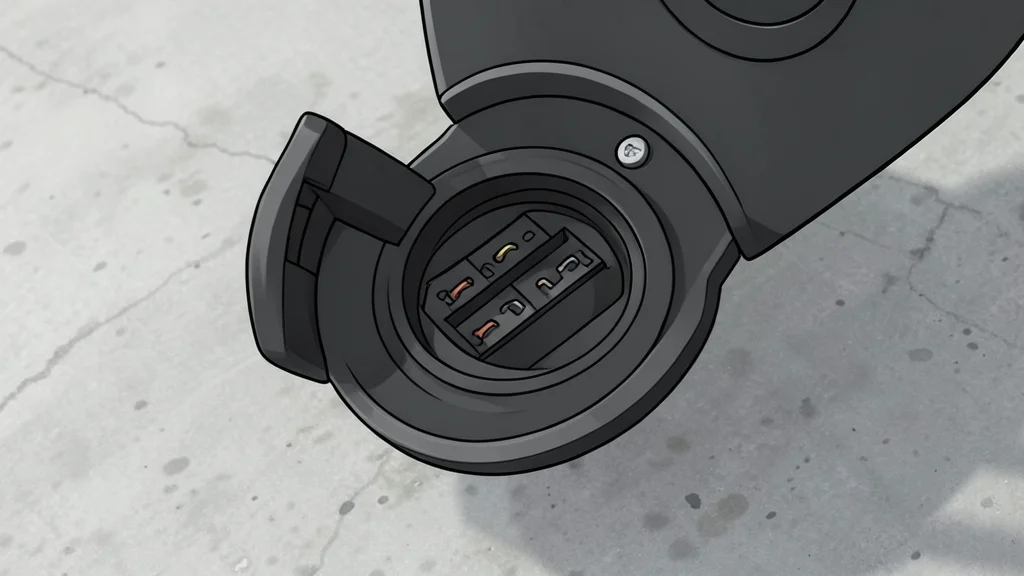
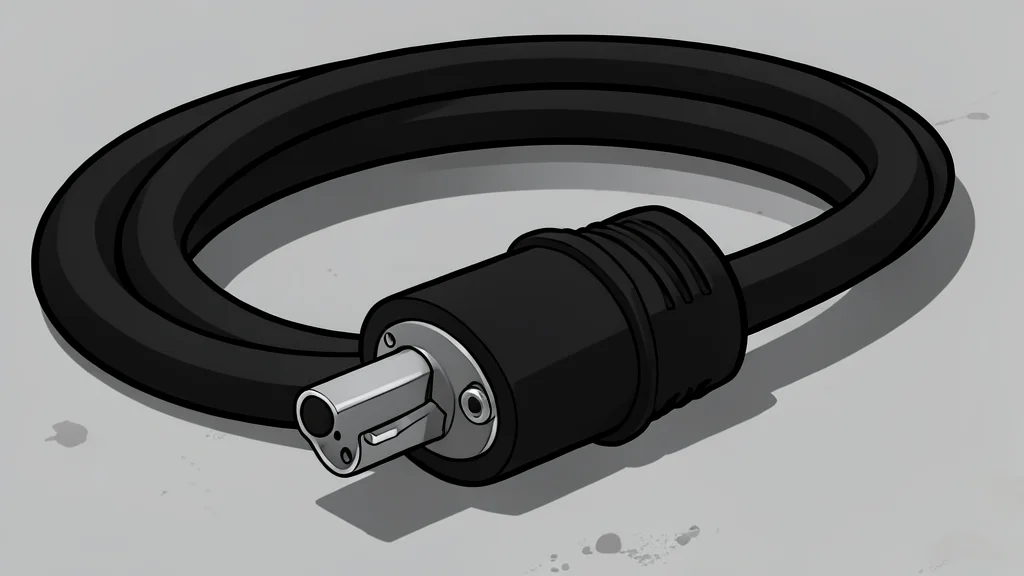
The charging process was a central part of the review. Naidu discussed how easy it was to locate and use charging points along the highway. He emphasized that the convenience of charging has improved, but it still requires more planning than simply stopping at a petrol station. This trade-off is a key consideration for anyone looking to switch from combustion engines to electric power.
Interior design and practicality
Inside the cabin, the Volvo EX30 Cross Country adopts a minimalist approach. The design focuses on technology and simplicity, stripping away many of the physical buttons found in older models. While this creates a clean and modern environment, it can feel less familiar to drivers accustomed to traditional dashboards. The trade-off is a streamlined interface that prioritizes digital interaction over tactile controls.
Practicality is another key aspect of the vehicle. Naidu evaluated how the car performs in everyday situations, beyond just the highway drive. He noted that the vehicle is well-suited for urban environments and shorter trips, though its premium price tag is a significant barrier for many buyers. The review balances the car's high-end features against its cost, helping potential buyers weigh the benefits against the financial commitment.
Performance and driving experience
The driving dynamics of the EX30 Cross Country were highlighted during the trip. Naidu praised the vehicle's instant acceleration, which provides a responsive and engaging driving experience. The electric powertrain delivers smooth and quiet performance, making the journey from Johannesburg to Polokwane comfortable. However, the review also touched on the vehicle's handling characteristics, noting that it is a solid performer but not without its quirks.
For those considering a switch to electric mobility, Naidu offered a balanced perspective. He acknowledged that the car is a strong option for those who value technology and efficiency. Yet, he also pointed out that the premium pricing and the need for charging infrastructure make it a significant lifestyle change. The recommendation is nuanced, suggesting that the car is best suited for drivers who are ready to adapt to the rhythms of electric driving.