Kia PV7 Targets European Logistics with Larger Electric Cargo Space
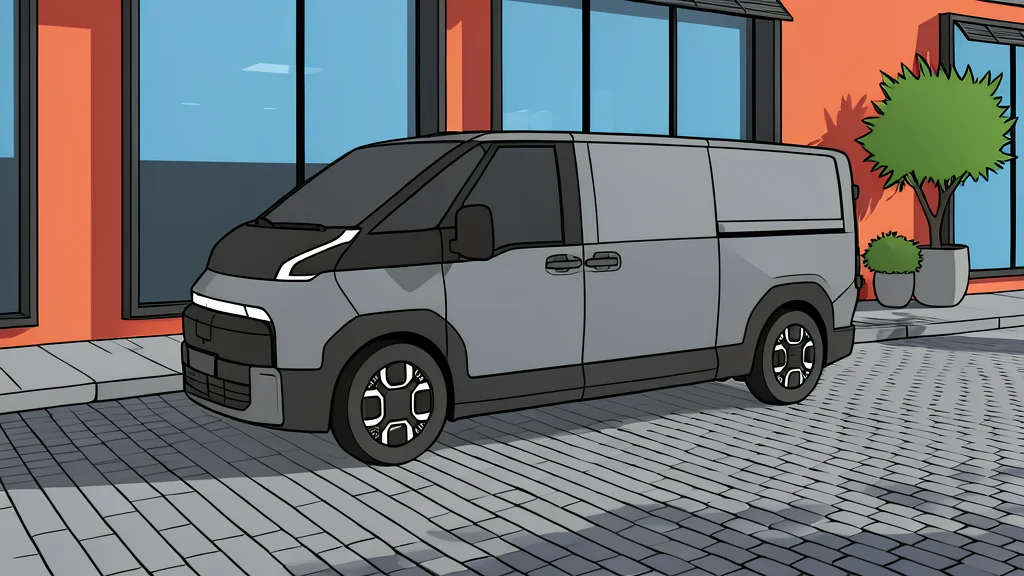
Kia has introduced the PV7, a large electric van designed to handle heavier loads and longer distances than its predecessor. The vehicle aims to compete in the commercial sector by offering significant upgrades in cargo capacity and charging convenience.
Kia has officially unveiled the PV7, its second dedicated electric commercial vehicle, at the IAA Transportation trade show in Hanover, Germany. This large-purpose-built vehicle is positioned as a direct competitor to other electric vans in the European market, which has become a central focus for commercial vehicle manufacturers. According to reports from GN auto tech/ev, the company plans to launch the model in South Korea and Europe during the second half of 2027, with a broader global rollout scheduled afterward.
The PV7 is significantly larger than the mid-size PV5 introduced last year, measuring 5,350 millimeters in length. This increase in size allows the van to accommodate more cargo and passengers, targeting businesses involved in heavy logistics and multi-passenger transport. The design includes a lower loading floor and expanded interior volume, aiming to reduce the physical strain on drivers who frequently load and unload heavy items.
Expanded cargo capacity defines the upgrade
The primary advantage of the PV7 is its increased utility for commercial operators. The cargo space expands to 6.1 cubic meters for the standard long model and up to 8.0 cubic meters for the high-roof variant. This allows the vehicle to carry three standard Euro pallets, whereas the previous PV5 model was limited to two. The payload capacity is approximately 1,165 kilograms for the long version, providing a meaningful boost for delivery services that require maximum efficiency per trip.
To facilitate easier access, the rear doors offer a wide-opening twin swing design. This configuration is particularly useful in tight urban environments where space behind the vehicle is limited. Additionally, the van includes a heavy load driving mode that automatically adjusts performance parameters when carrying substantial weight, ensuring stable handling under high stress conditions.
Dual charging ports reduce downtime
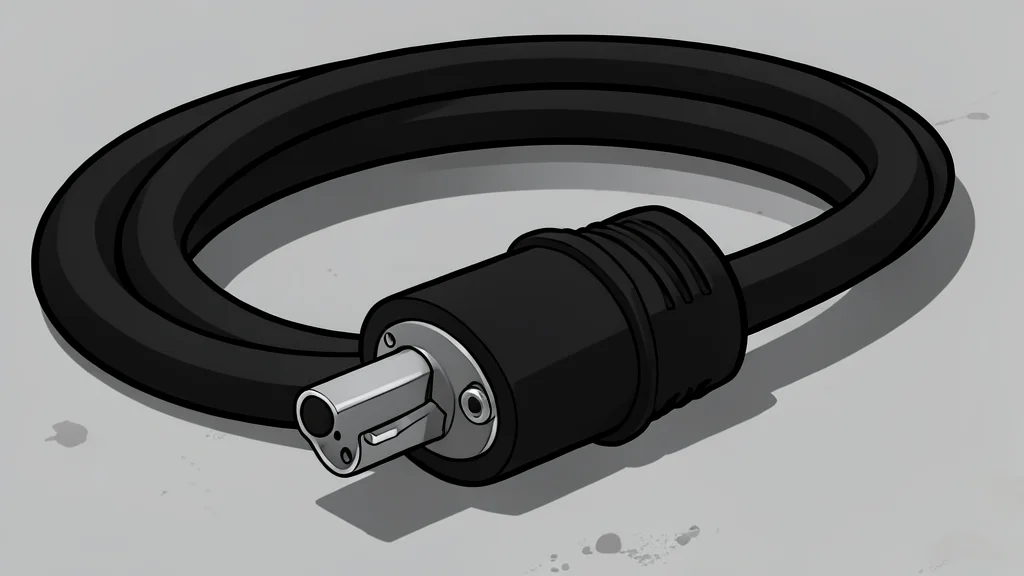
One of the notable practical features is the inclusion of dual charging ports. Unlike many competitors that rely on a single inlet, the PV7 has a rapid charging port at the front and a slow charging port at the rear. This design choice addresses a common inconvenience for large vans, where drivers often have to reposition the vehicle to match the location of available chargers. By offering options at both ends, the vehicle aims to minimize the time spent maneuvering in parking lots.
The battery options include capacities of 71.5 kilowatt-hours and 96.2 kilowatt-hours. The larger battery supports a range of over 460 kilometers on the European WLTP test cycle. Charging from 10 percent to 80 percent takes roughly 20 minutes using the 350-kilowatt ultra-fast charging system. However, the trade-off for this rapid charging capability is the use of NCM chemistry, which may have different longevity and cost implications compared to other battery types in the market.
Modular platform supports diverse variants
Kia has built the PV7 on a flexible body system that allows for various configurations from a single platform. This modular approach enables the creation of different wheelbases, roof heights, and interior layouts. The company plans to introduce 23 derivative models globally, including chassis cabs for specialty vehicle development. This strategy allows businesses to choose a configuration that fits their specific operational needs without requiring a completely different vehicle platform.
The passenger version offers seating for 7, 9, or 11 people, making it suitable for shuttles or group transport. To minimize downtime in commercial use, components prone to damage, such as bumpers and wheel arches, are designed for rapid replacement. This feature is critical for fleet operators who cannot afford to keep vehicles off the road for extended repairs due to minor incidents.