CRT TVs Offer Lower Latency and Authentic Pixel Rendering for Retro Games
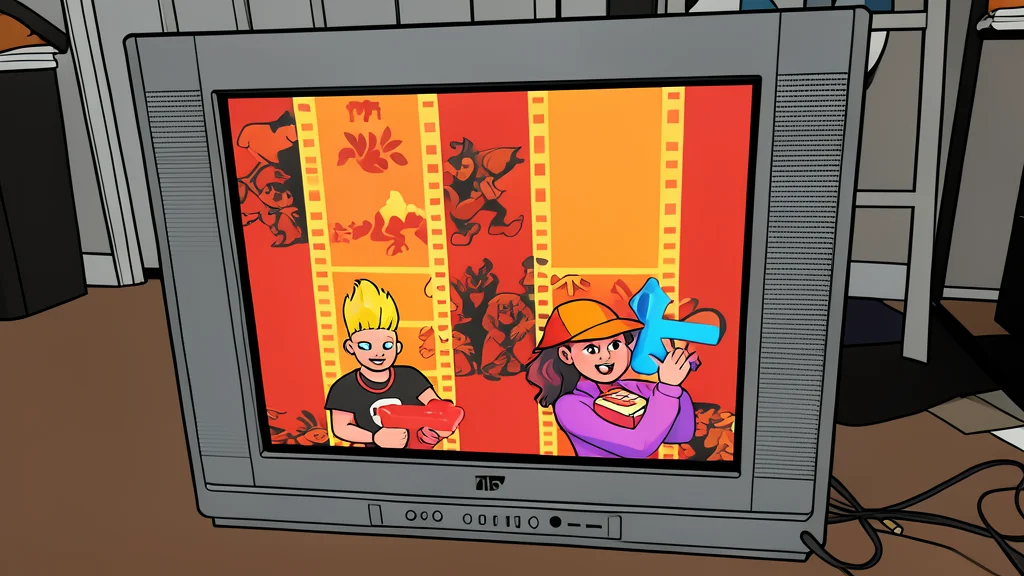
Switching to a CRT eliminates the lag and artificial crispness of modern TVs, restoring the intended visual style of 16-bit consoles.
Key points
- CRTs eliminate the input lag caused by modern TV post-processing, making them ideal for responsive gameplay.
- The natural softness of CRT screens renders low-resolution retro graphics more accurately than digital upscalers.
- The significant weight and bulk of CRTs make shipping difficult, requiring local purchases to avoid high costs.
Many retro gamers are abandoning high-end modern displays in favor of bulky cathode ray tube televisions. While flat-panel screens offer sharper resolution, they often distort the low-resolution graphics of 16-bit consoles like the Super Nintendo. The result is an image that feels artificially crisp and disconnected from the original design intent.
According to reports from XDA Developers, the natural softness of a CRT screen provides a visual experience that digital upscalers and shaders cannot replicate. The technology inherently handles scanlines and pixel scaling in a way that matches the era of the hardware, creating a sense of authenticity that modern HDMI adapters struggle to achieve.
Modern screens introduce unwanted input lag
One of the primary technical advantages of using a CRT is the reduction in input latency. Modern televisions process video signals through various post-processing stages, which adds noticeable delay between pressing a button and seeing the action on screen. For fast-paced fighting games, this lag can make characters feel sluggish and unresponsive.
CRTs bypass these processing steps, delivering a near-instantaneous response that feels more direct to the player. This plug-and-play simplicity means that as long as the correct cables are used, the console works without the need for complex adapters or external upscaling devices that can introduce their own delays.
Physical size and weight are major trade-offs
However, adopting this technology comes with significant physical compromises. Unlike flat-screen TVs that mount flush against a wall, CRTs are deep and heavy, often weighing over fifty pounds for mid-sized models. This bulk requires dedicated floor space and makes the television difficult to move or store if the user decides to switch back to modern displays.
Shipping these units is also impractical due to their weight, which drives logistics costs to prohibitive levels. Buyers are advised to seek local options through marketplace platforms rather than purchasing from distant retailers. The physical footprint is the price paid for the superior visual and temporal fidelity.
Connector variety affects signal quality
The quality of the image depends heavily on the type of connection used. While composite cables are common, they provide a messier signal. SCART connectors, particularly those carrying RGB signals, are preferred by enthusiasts for their ability to keep color channels separate. This results in a cleaner, more vibrant picture that preserves the analog aesthetic without digital artifacts.
Although specific brands like Sony Trinitron are highly sought after due to their reputation, they have become extremely expensive. Most experts suggest that any well-maintained CRT from a reputable manufacturer will deliver the core benefits of low latency and authentic pixel rendering. The key is matching the input type to the console for the best possible result.