Emulators Recreate Consoles, Not Just 60 FPS Graphics
Emulators mimic full system behavior, causing timing issues that higher frame rates often fail to fix.
Key points
- Emulators simulate the entire original hardware system, not just the graphical output.
- Forcing higher frame rates can break game mechanics because the internal logic remains unchanged.
- Visual enhancements like 4K upscaling can make timing inconsistencies more noticeable to players.
Many gamers expect that running a classic game at a consistent 60 frames per second will recreate the original experience perfectly. However, a common frustration remains that the movement and timing often feel off, even when the hardware is powerful enough to handle the load. This disconnect is not simply a matter of nostalgia or poor emulation quality.
The issue stems from how emulators function. They do not just draw graphics; they simulate the entire behavior of the original hardware, including its processor, memory, and input handling. As reported by XDA Developers, understanding this distinction explains why higher frame rates can sometimes make games feel less authentic rather than better.
Frame rate does not equal game logic
When a game was designed for 30 frames per second, its internal logic, physics, and animation timing are built around that specific rhythm. Forcing the emulator to output 60 frames does not change the underlying game engine. Instead, it often results in duplicated frames or altered simulation speeds that break the intended feel of the gameplay.
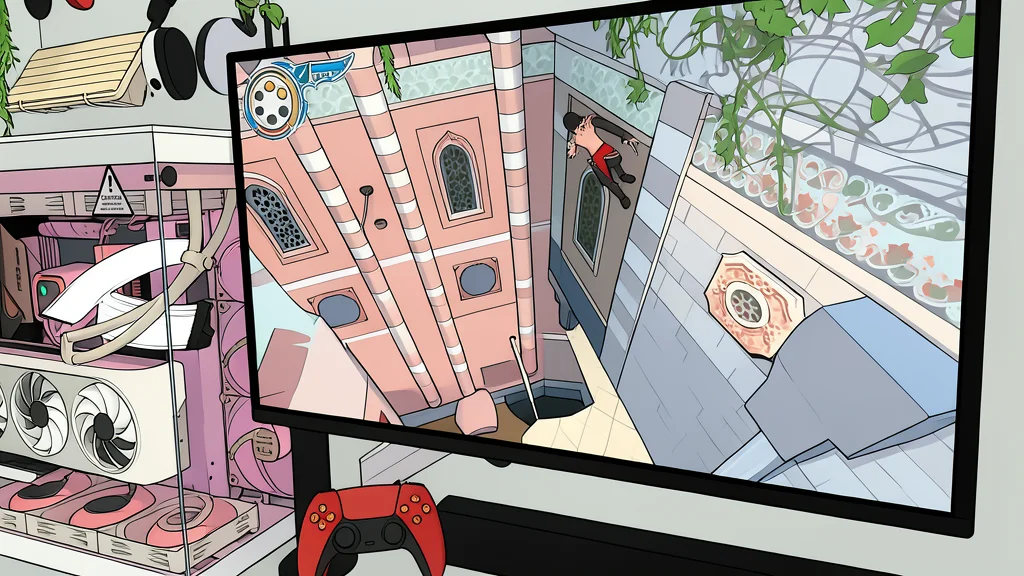
For example, increasing the frame rate in certain PlayStation 2 titles can disrupt core mechanics like wall-running. The game engine may not account for the extra frames, leading to unpredictable behavior or even crashes. In these cases, the visual output is smoother, but the actual work being done by the game is unchanged.
Visual improvements can distort original timing
Modern emulators allow users to upscale resolution to 4K and remove the blur characteristic of older consoles. While these changes make the image objectively sharper, they can also highlight inconsistencies in movement that were less noticeable before. The brain detects these subtle shifts in rhythm, making the game feel floaty or unresponsive despite the improved visuals.
This trade-off is significant for players who prioritize authenticity. Enhancing the graphical fidelity does not fix the fundamental timing differences inherent to the original hardware. In fact, removing the original visual noise can make the unnatural movement of emulated physics more apparent to the player.
Emulation simulates the entire machine
An emulator must recreate the behavior of the CPU, GPU, and input systems of the original console. The game continues to operate under the rules it was built for, regardless of the modern hardware running it. This means that the game's internal clock and logic remain tied to the original specifications, not the capabilities of the current display.
Recognizing this helps explain why certain tweaks, such as 60 FPS patches, can have mixed results. Some patches successfully account for the game's dependencies, while others alter timing in ways the developers never intended. The goal of emulation is to replicate the system, not just to maximize the frame rate on a modern screen.