Fable's Long Delay Linked to Xbox Platform Identity
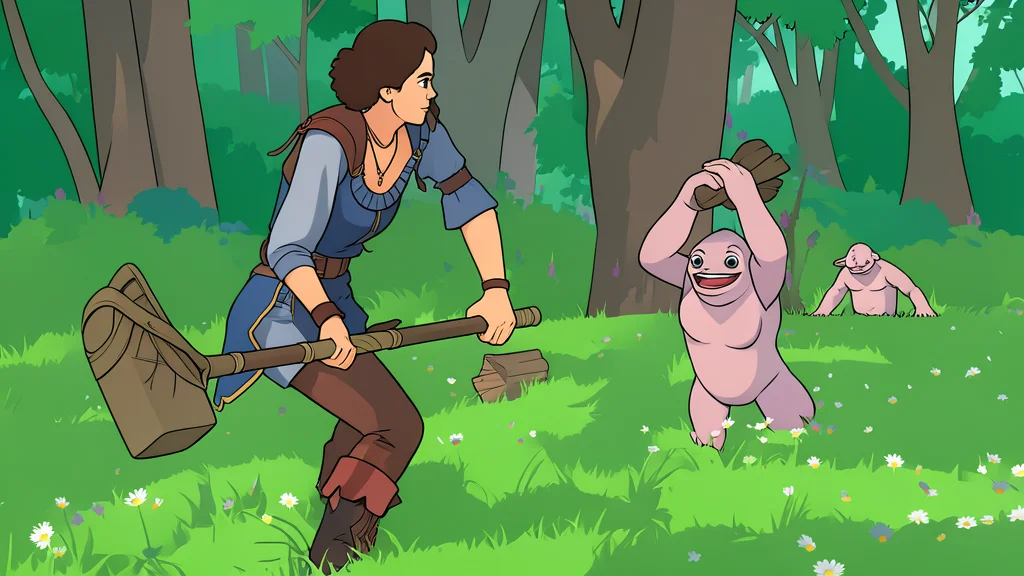
The upcoming Fable reboot has endured multiple delays, a trajectory its director attributes to the title's strategic importance to the Xbox brand and its unique position in gaming history.
The development of the next Fable installment has been marked by a lengthy and often turbulent cycle, with the project facing several postponements before reaching its current stage. Ralph Fulton, the game’s director, recently offered insight into why the project remained in development for so long, suggesting that the title’s strategic value to Microsoft played a key role in shielding the team from pressure to release an unfinished product.
Fulton explained that within Xbox, Fable is viewed as essential to the platform's core identity. This perception of the game being 'vital' to the brand’s DNA provided the developers with the necessary breathing room to prioritize quality over speed. According to reports from GN technics/gaming (en-US), this internal consensus helped protect the studio during a period when many other projects might have been cut or rushed to meet market deadlines.
Strategic Value Shields Development
The director noted that the game holds a unique place in the industry because it contains narrative and mechanical elements that do not exist in other major titles. This distinctiveness made Fable more than just another entry in a crowded market; it was seen as a significant contribution to video games as a whole. Consequently, the decision to keep the project alive despite delays was framed as a commitment to preserving a specific type of storytelling that is difficult to replicate elsewhere.
However, this protection came with a high cost in time. The team at Playground Games, known primarily for the Forza racing series, had to navigate the challenges of shifting genres while maintaining their studio's reputation. Fulton admitted that there was a sense of pride in proving that the studio could deliver a high-quality narrative RPG, but the process required them to relentlessly pursue a level of polish that extended the timeline significantly.
Quality Prioritized Over Speed
The focus on quality has manifested in specific design choices, such as the way player decisions are handled. Fulton described the game’s climax as a moment that challenges players to reflect on their own identity, introducing a personal cost that must be weighed against the outcome. This approach contrasts with many open-world games that offer more superficial consequences, suggesting that Fable aims for a deeper, more personal engagement with its audience.
The trade-off for this depth is the extended wait time for players. While the studio claims to have 'stuck the landing,' the reality is that the game’s release date remains uncertain due to the ongoing pursuit of perfection. This strategy risks alienating fans who have been waiting for years, but it aligns with the studio’s goal of delivering a title that stands out through its narrative weight rather than just its technical specifications.
Transferable Skills in Open Worlds
Despite the genre shift from racing to fantasy, Fulton highlighted that certain skills from the Forza series have proven useful in building Fable’s open world. The ability to manage large, interactive environments and create a sense of scale are competencies that the team has carried over. This transfer of knowledge has helped streamline some aspects of development, allowing the team to focus their creative energy on the unique narrative elements that define the Fable experience.
Ultimately, the long development cycle reflects a deliberate choice to prioritize artistic integrity and strategic brand value over commercial speed. For Xbox, retaining Fable as a flagship title reinforces its commitment to distinct, high-concept gaming experiences. For players, the wait is a testament to the studio’s ambition, though it also underscores the inherent risks of developing a game that aims to be vital to the industry’s future.