MSI’s New Laptops Balance Study and Play in One Device
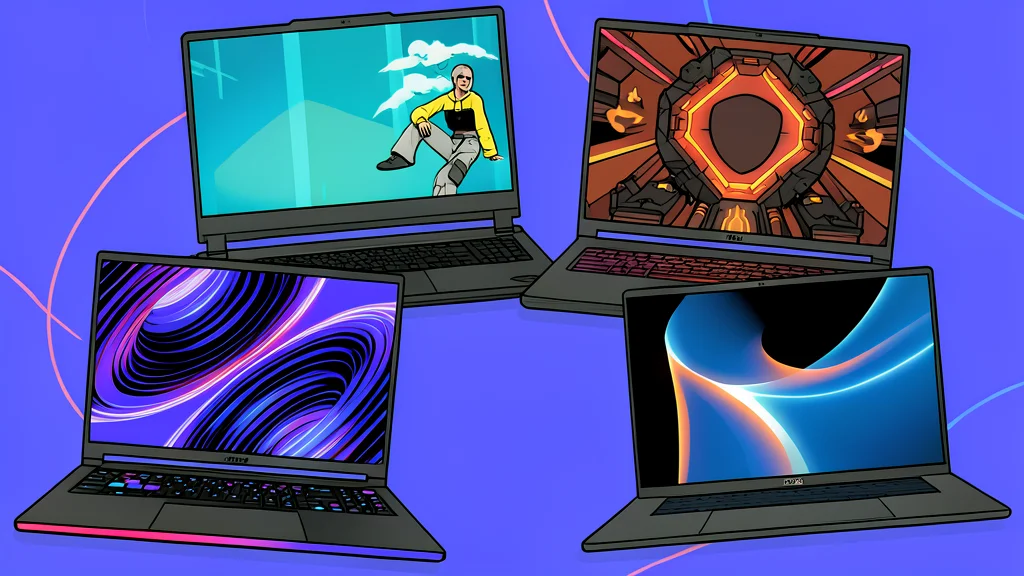
MSI’s latest lineup targets students who need serious computing power for AI coursework without sacrificing gaming performance, packing high-end hardware into portable aluminum bodies.
For STEM students, the semester often feels like a tug-of-war between academic demands and personal downtime. You might spend the afternoon debugging code for a machine learning class, only to hop into a ranked match with friends later that evening. MSI’s latest laptop series is designed specifically for this dual lifestyle, aiming to eliminate the need to choose between a heavy workstation and a lightweight travel companion.
According to a report by GN technics/gaming (en-US), these machines pair high-performance graphics cards with strong processors to handle everything from local AI model experimentation to graphically intensive games. The goal is a single device that performs reliably in a lecture hall and remains capable enough for late-night gaming sessions, all while fitting comfortably into a standard backpack.
On-device AI boosts independence from cloud limits
A key advantage of this new generation is the ability to run AI tasks locally. By using the latest graphics hardware, these laptops can process large language models and neural rendering directly on the machine. This reduces the reliance on cloud computing credits, which often run out at inconvenient times like finals week, and provides a more stable experience even when dormitory Wi-Fi is unreliable.
The system automatically adjusts its performance profile when a game launches, shifting resources to ensure smooth frame rates without requiring manual configuration. This hardware-level efficiency means the same chips that accelerate AI development in class also drive the visual fidelity in modern titles, creating a seamless transition between study and play.
Portability meets raw power in new designs
The lineup offers different trade-offs depending on your priority. The Stealth 16 AI+ focuses on portability, featuring a thin aluminum chassis that is easy to carry and a battery designed to last through a full day of classes. In contrast, the Raider 16 Max HX prioritizes maximum performance with a more aggressive cooling system and higher power delivery, making it suitable for users who need the highest possible speeds.
There are also mid-range options that balance weight and power, catering to students who want a versatile machine without the bulk of the top-tier models. This range allows buyers to select a device that matches their specific budget and lifestyle, whether they need to carry it constantly or plan to keep it mostly stationary on a desk.
Trade-offs between battery life and performance
However, this versatility comes with inherent compromises. While the thinner models are easier to transport, they may not sustain peak performance for as long as the larger, heavier units due to thermal constraints. Users seeking the highest frame rates or the fastest AI processing times should expect to carry a bulkier machine with a more complex cooling architecture.
Ultimately, the choice depends on whether you value the ability to move your setup frequently or prioritize staying power for intensive tasks. For most students, the middle ground offers the best balance, providing sufficient performance for both coursework and gaming without the extreme weight of the flagship models.