Sony Inzone M10S II Targets PC Esports with High Refresh Rates
Sony’s latest Inzone monitor raises the refresh rate bar for PC shooters but leaves console players behind.
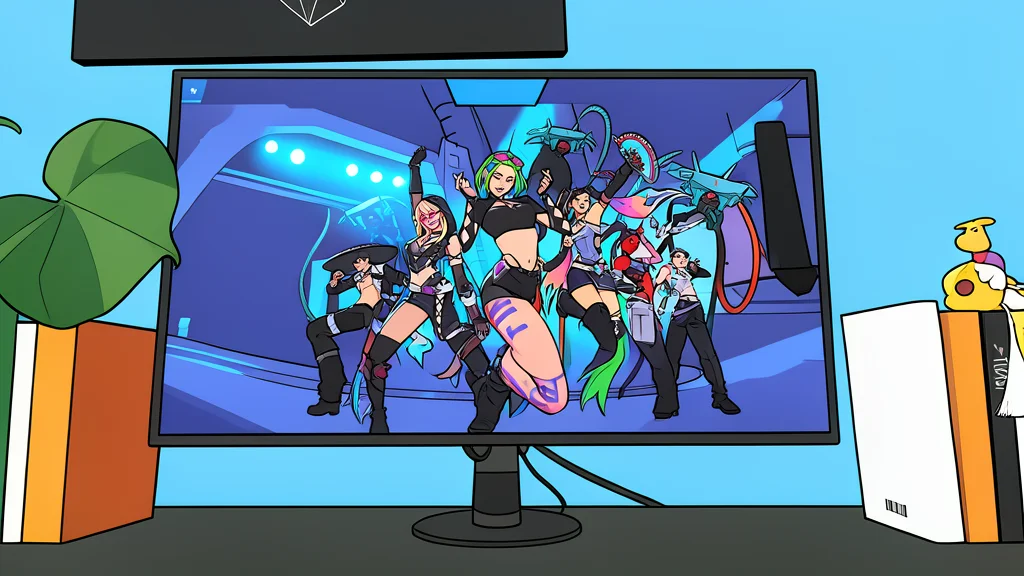
Sony has released the Inzone M10S II, a high-end OLED monitor designed specifically for competitive PC gaming. The new display pushes refresh rates to 540Hz natively and offers a 720Hz mode, aiming to capture the fastest possible frames for first-person shooters. While the visual quality remains exceptional, the device is strictly focused on PC performance, ignoring the needs of console gamers.
According to a review from GN technics/gaming (en-US), this model is better described as a significant refresh of the previous generation rather than a complete sequel. It retains the sleek design and vibrant colors of its predecessor while adding higher brightness and faster speeds. However, at a price point of nearly $1,100, it demands a high-end graphics card to unlock its full potential, making it a niche product for dedicated PC enthusiasts.
High Refresh Rates Require Strong Hardware
The primary selling point of the M10S II is its speed. It supports a native 1440p resolution at 540Hz, which is a step up from the previous model's 480Hz. Additionally, it includes a dual-mode feature that allows the screen to run at 720Hz, though this drops the resolution to 720p. This trade-off is significant: while 720Hz offers smoother motion, the lower resolution can look less sharp, and the monitor’s 27-inch size may feel too large for such a low pixel count.
To fully utilize these high frame rates, users need a powerful graphics processing unit. Most current high-end cards struggle to consistently hit 720 frames per second in modern games. Consequently, many buyers will likely stick to the 540Hz mode, where the 720Hz capability becomes largely irrelevant. This limits the practical benefit of the dual-mode feature for the average gamer, serving only as a marketing highlight for those with top-tier, future-proof hardware.
Exclusion of Console Gamers
A notable omission in the Inzone M10S II is its lack of features tailored for PlayStation users. Sony has chosen to distance this product from its gaming console brand, focusing exclusively on the PC esports market. While a PlayStation 5 can be connected to the monitor, it cannot take advantage of the high refresh rates or specific features designed for PC compatibility. This leaves console players with a standard high-end display, missing out on the unique benefits that justify the monitor’s high price tag.
The decision reflects Sony’s strategy to treat its PC gaming line as a separate entity. By not integrating features like a dedicated console cradle or optimized low-latency modes for PlayStation, the company signals that this monitor is not intended to be a universal gaming hub. For those who play on multiple platforms, this lack of versatility is a significant drawback, as the monitor excels in one area while offering little extra value for others.
Sleek Design Prioritizes Aesthetics Over Features
Visually, the M10S II maintains the minimalist aesthetic that made its predecessor popular. It features a low-profile, circular rotating pedestal that stands out against the typical V-shaped bases found on other gaming monitors. This design choice contributes to a cleaner desk setup, allowing the focus to remain on the screen itself. The build quality feels premium, with a sturdy stand that defies expectations of stability for such a thin base.
However, this focus on design comes with trade-offs. The monitor lacks many of the extra features, such as integrated speakers or complex RGB lighting, that are common in the gaming monitor category. This minimalism appeals to users who prefer a professional look, but it may disappoint those who expect a feature-rich package at this price point. The result is a product that looks sophisticated and performs well in its specific niche, but it does not offer the all-around utility that might justify its cost for a broader audience.