Insomniac's Wolverine Review Highlights Messy Plot Structure
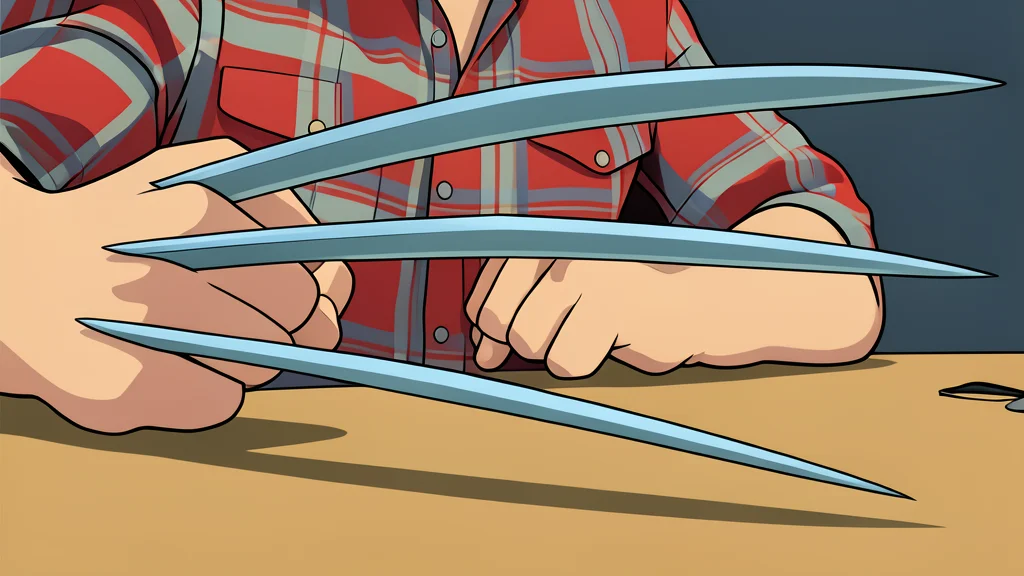
The latest Marvel title features strong character work but suffers from a disjointed narrative that loses momentum midway through the campaign.
Key points
- Seasoned Gaming reviews the game as having strong character work but a messy, muddled plot that loses focus midway.
- The story features a new Team X lineup without traditional X-Men factions, led by a central antagonist named Nathaniel Essex.
- The review questions if Insomniac's acrobatic gameplay style is a natural fit for a character defined by grounded combat.
Insomniac Games has delivered its long-awaited Wolverine title, a project that followed a turbulent five-year development cycle marked by data leaks and leadership changes. While the studio previously found perfect chemistry with Spider-Man, this new entry attempts to apply their signature acrobatic combat style to a character whose strengths are traditionally grounded in brute force and grit.
According to a review published by Seasoned Gaming, the game presents a mixed bag of technical achievement and narrative confusion. Although the characterizations are largely praised for being true to the source material, the overall story is described as messy, with the plot becoming increasingly muddled as the journey progresses away from its initial setup.
Narrative coherence struggles mid-game
The story follows Logan as he works with a small group of mutants known as Team X, operating in a universe where the traditional X-Men and Brotherhood factions do not exist. The plot is driven by Nathaniel Essex, a geneticist who seeks to gather mutants to protect them from genocide. Early on, the character dynamics feel earnest and well-constructed, with Essex serving as a compelling anchor for the narrative.
However, the narrative momentum falters significantly around the halfway point. The reviewer notes that the global travel segments feel obligatory rather than organic to the story's progression. This shift creates a sense of dissonance, where the initial character-driven tale begins to fray, leading to a plot that feels less cohesive and more like a series of disconnected events.
Studio fit remains questionable
A central question raised by the review is whether Insomniac is a universal solution for superhero gaming. Their success with Spider-Man was attributed to a natural sync between the studio's high-energy tech and the character's agility. Wolverine, by contrast, is an antithetical fit for a developer known for swing mechanics and acrobatics, raising doubts about whether the studio can authentically capture the essence of a grounded, feral character.
Despite these challenges, the game does manage to offer unique spins on familiar tropes. The characterization of the supporting cast, including Sabretooth and Mystique, is considered strong and effective. Nevertheless, the lack of a clear, driving narrative thread prevents the game from achieving the same level of polish and impact seen in the studio's earlier Spider-Man titles.
Trade-offs between action and story
The review concludes that while the combat and character work are solid, the narrative execution is the primary weakness. The game arrives at a peculiar time for Insomniac, following a recent title that saw its initial praise fade over time. For players expecting a seamless superhero experience, the disjointed plot may be a significant drawback, even if the individual character moments are well-executed.