MSP Airport Opens Gaming Lounge with Food and Drinks
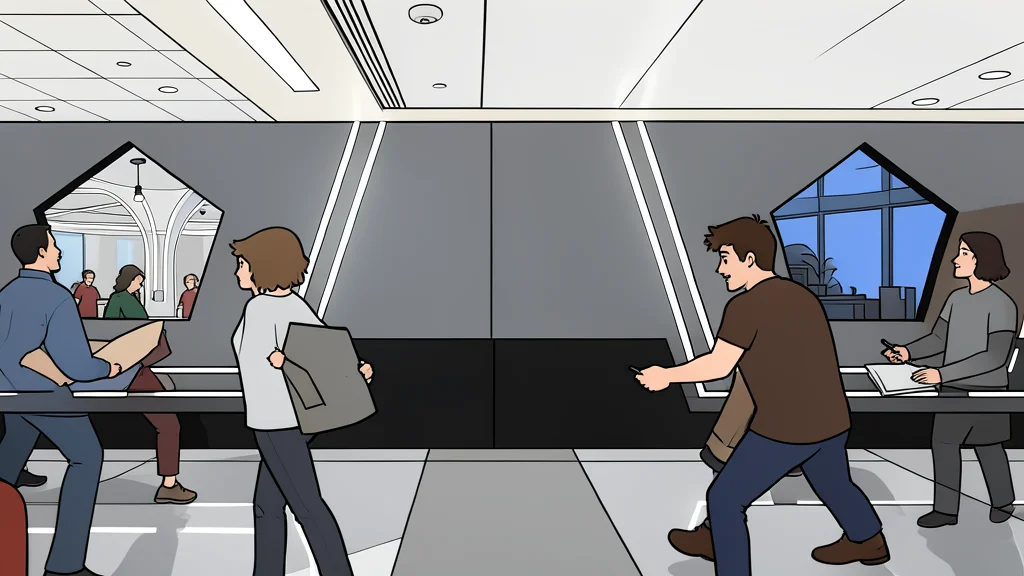
A new lounge at Minneapolis-St. Paul International Airport combines video gaming with meals and cocktails for a single flat fee, targeting travelers who grew up with gaming culture.
Passengers at Minneapolis-St. Paul International Airport now have a new option for killing time that goes beyond standard waiting areas. The recently opened Portal Lounge offers a combined experience of video gaming, food, and beverages for a single flat fee. This facility stands out by integrating dining services directly into a gaming environment, a combination not previously seen in airport lounges operated by the chain.
Unlike exclusive airline lounges that require specific ticket classes or memberships, this space is accessible to any traveler. For a day pass fee of $70, guests receive access to a buffet-style food selection, a variety of drinks, and an array of gaming consoles. The lounge is part of a broader trend of commercial spaces in Terminal 1 that charge admission fees rather than restricting access by carrier, aiming to capture a demographic of adults in their 30s and 40s who have disposable income and nostalgia for video games.
Gaming Hardware and Menu Options
The gaming setup includes three personal computers, four Xbox consoles, four PlayStation units, and six Nintendo Switch systems. Each station is equipped with headsets and offers the choice of wired or wireless controllers. The menu features playful names inspired by gaming culture, such as the Grand Theft Burger and Bowser’s Lava Castle Arrabbiata. Additionally, the lounge offers a robotic bartender named Toni, which assists in mixing cocktails and mocktails, although it currently lacks the dexterity for garnishing and works alongside a human staff member.
According to reports from GN technics/gaming (en-US), the food selection includes items like pulled-pork sliders and protein bowls, with plans to add more vegan options later in the year. The robotic arm is a notable feature, but the human element remains crucial for full service. The concept was developed by Gameway, which operates similar gaming lounges in other U.S. airports, but this is the first location to fully integrate a food and beverage service into the gaming experience.
Accessibility and Alternative Lounge Choices
The Portal Lounge is located on Concourse D near the tram station and is accessible through its day pass, Priority Pass, or participating credit cards from major issuers. It is one of three common-use lounges in Terminal 1 that do not require airline status. Travelers who prefer a different atmosphere can choose between the PGA MSP Lounge, which focuses on golf simulation, or the Escape Lounge, which offers a traditional waiting area with Wi-Fi and reading materials.
While the Portal Lounge targets gamers, the PGA MSP Lounge offers virtual golf courses and club fittings for a lower entry fee, though most amenities are extra. The Escape Lounge provides a quieter environment with newspapers and magazines for a flat rate. Each of these facilities caters to a specific traveler preference, but the Portal Lounge is unique in its focus on interactive entertainment and casual dining under one roof.
Target Audience and Service Limitations
The co-founder of the operating company stated that the goal was to create a unique and enjoyable airport experience, noting that previous airport visits rarely felt entertaining. The target demographic is specifically adults who grew up with video games and have the financial means to spend on leisure activities during layovers. The lounge has seen a wide range of users, from children to seniors, indicating broad appeal beyond the core gaming community.
However, there are trade-offs to consider. The flat fee covers most food and drinks, but some premium beverages are excluded. The robotic bartender, while a novelty, is limited in its capabilities and cannot perform all tasks independently. Furthermore, the space is relatively small, with a limited buffet selection compared to full-service restaurants. Travelers should be aware that the experience is designed for short-term leisure rather than long-term comfort, and the noise level may be higher than traditional quiet lounges.