Africa Emerges as New Hub for AI Infrastructure
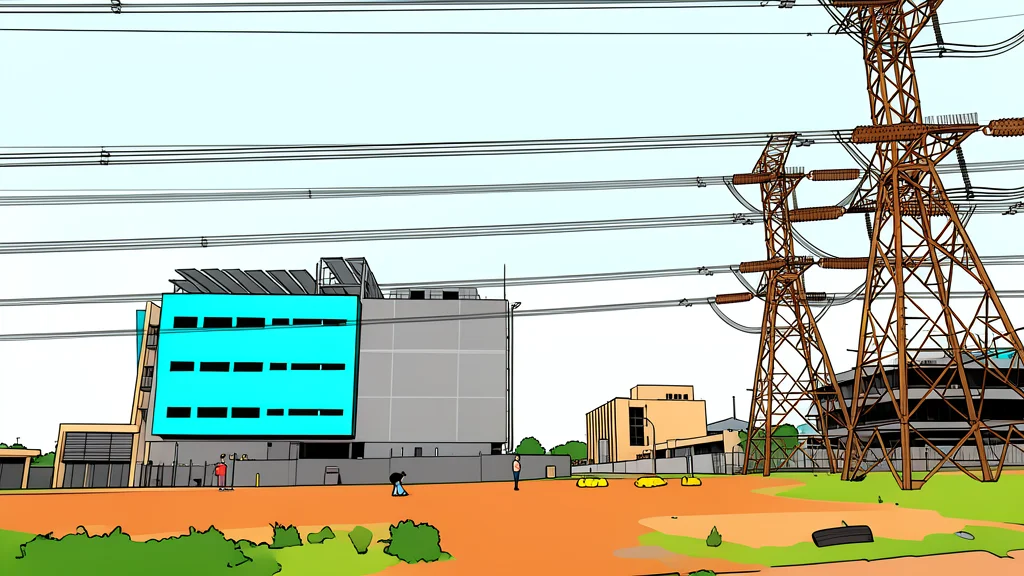
As power constraints and regulatory hurdles slow expansion in the US and Europe, developers are turning to the African continent. This shift is driven by a combination of underutilized energy potential and a growing local demand for data sovereignty.
The rapid growth of artificial intelligence has placed an unprecedented strain on energy grids in mature markets. In the United States and across Europe, developers face increasing friction from environmental regulations, permitting delays, and a lack of available electricity. These bottlenecks have forced a strategic reevaluation of where the next wave of computing power should be built. The focus is now shifting toward regions with different constraints and opportunities, specifically the African continent.
According to a report from GN technics/ai (en-US), experts suggest that Africa is positioning itself as a significant frontier for data center development. This is not because the continent has surpassed the West in technology, but rather because its current infrastructure gaps present a specific kind of opening. While the lack of existing capacity is a disadvantage in many contexts, it allows for the construction of new, modern systems without the burden of integrating into aging, congested grids. This dynamic is attracting major investment from American firms looking to secure new markets.
Energy constraints drive global search
The primary driver of this shift is the physical limit of power availability. In established markets, the demand for electricity from data centers is outpacing the grid's ability to supply it. This creates a stalemate where demand exists but cannot be met due to infrastructure limitations. In contrast, parts of Africa offer the potential to build power generation and computing capacity simultaneously. This integrated approach allows developers to bypass the grid congestion issues that plague the US and Europe, creating a more direct link between energy production and data processing.
American companies are actively pursuing these opportunities, often in direct competition with Chinese firms. Recent deals in Southern and Central Africa highlight this trend, with billions of dollars flowing into projects that combine data centers with renewable energy plants. These projects are not just about hosting data; they are about creating the foundational energy infrastructure needed to support it. This dual-purpose approach is becoming a standard model for new builds in the region.
Local demand fuels the expansion
Despite the international interest, the core motivation for this growth is local. African governments, banks, and large enterprises are increasingly seeking to store sensitive data within their own borders. This desire for data sovereignty is driving a surge in demand for local cloud services. Companies want to ensure that their digital assets are subject to local laws and are physically close to the users who generate them. This internal market is growing rapidly, providing a stable foundation for the new infrastructure.
However, this boom is happening from a very small base. The installed capacity in Africa remains far behind that of the US and Europe. This means that while the percentage growth is high, the absolute volume of computing power is still modest. The region is not replacing Western hubs as a global center for computing, but rather it is serving its own rapidly expanding market. The challenge lies in scaling this growth while managing the limitations of the existing electricity grid.
Trade-offs in new market entry
Building infrastructure in this region comes with significant trade-offs. While the energy potential is attractive, the weak electricity grids make construction and operation more difficult than in mature markets. Developers must often build their own power solutions, which increases the upfront cost and complexity. This is a different risk profile than building in the US or Europe, where the grid is robust but capacity is scarce. The catch is that success depends heavily on the stability of local power supplies and regulatory environments.
Furthermore, the opportunity is not without competition. Chinese firms are also actively pursuing these markets, leading to a geopolitical contest for influence in the region. American companies are leveraging diplomatic support to secure contracts, but they face stiff competition on price and terms. The long-term viability of these projects will depend on their ability to deliver reliable service in a challenging environment. For now, the continent represents a promising, but complex, new frontier for the AI industry.