Waymo Robotaxi Alerts Police to Loaded Rifle in Cabin
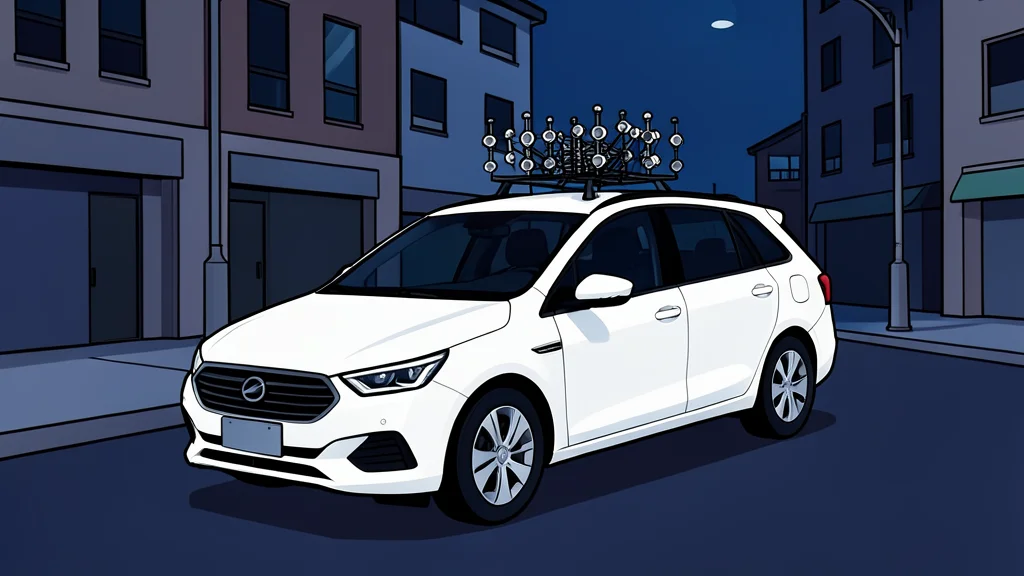
An autonomous vehicle in San Francisco flagged a serious safety threat, leading to the arrest of two juveniles for illegal firearm possession.
San Francisco police arrested two teenagers after a Waymo robotaxi reported its passengers handling a loaded AR-style rifle. The incident highlights a new dimension of autonomous vehicle safety, where the car itself acts as a witness to criminal activity. According to reports from Tom's Hardware, the vehicle’s sensors detected the weapon, triggering an alert that led to a high-risk vehicle stop.
The stop occurred just before 4 a.m. on September 3 in the Outer Richmond neighborhood. Officers not only found the ghost gun but also suspected marijuana and mace spray. The arrests mark a significant escalation in how autonomous fleets are being used to monitor public safety, moving beyond simple rule enforcement to identifying immediate threats.
Sensors Detect Serious Threats
Waymo vehicles are equipped with a dense array of cameras and sensors designed to navigate traffic and avoid obstacles. However, these systems also monitor the interior cabin to ensure passenger compliance with basic rules, such as wearing seatbelts or avoiding smoking. In this case, the system flagged a much more severe violation. While the exact mechanism for detecting a loaded firearm is complex, the incident suggests that the visual recognition software or human review of flagged footage identified the object as a danger.
The trade-off for this enhanced safety monitoring is a significant intrusion into passenger privacy. Riders must accept that their actions inside the vehicle are being constantly recorded and analyzed. This creates a dual-use reality where the same technology that prevents accidents can also serve as a surveillance tool for law enforcement, effectively turning every ride into a potential checkpoint.
Precedents for Autonomous Reporting
This incident is not an isolated event. Previous reports indicate that Waymo vehicles have alerted police to other minor infractions, such as underage drinking or the use of toy guns in the cabin. These earlier cases involved less serious offenses, but they established the operational protocol for the fleet to intervene when safety thresholds are breached. The current case represents the most serious application of this protocol to date.
As the service expands to new cities like Denver, Tampa, and San Diego, the scale of this monitoring capability grows significantly. The company is positioning itself as a safer alternative to human drivers, but this safety model relies on continuous data collection. For users, the benefit is a reduced risk of drunk or distracted driving, but the cost is a lack of anonymity.
Privacy Trade-offs in Shared Rides
The core tension in this story lies in the balance between public safety and individual privacy. By allowing an autonomous vehicle to report criminal behavior, passengers are implicitly consenting to being monitored by a corporate entity that can share data with police. This creates a new category of digital footprint, where the physical space of the car becomes a zone of constant scrutiny.
For law enforcement, the robotaxi serves as an unbiased observer that can detect threats without the bias or fatigue associated with human reporting. However, for riders, the knowledge that their vehicle may call the police on them adds a layer of anxiety to what is typically a private mode of transport. The technology works as intended, but the social contract between rider and service provider is being fundamentally rewritten.