NVIDIA RTX 20 Series Turns Eight with High Prices
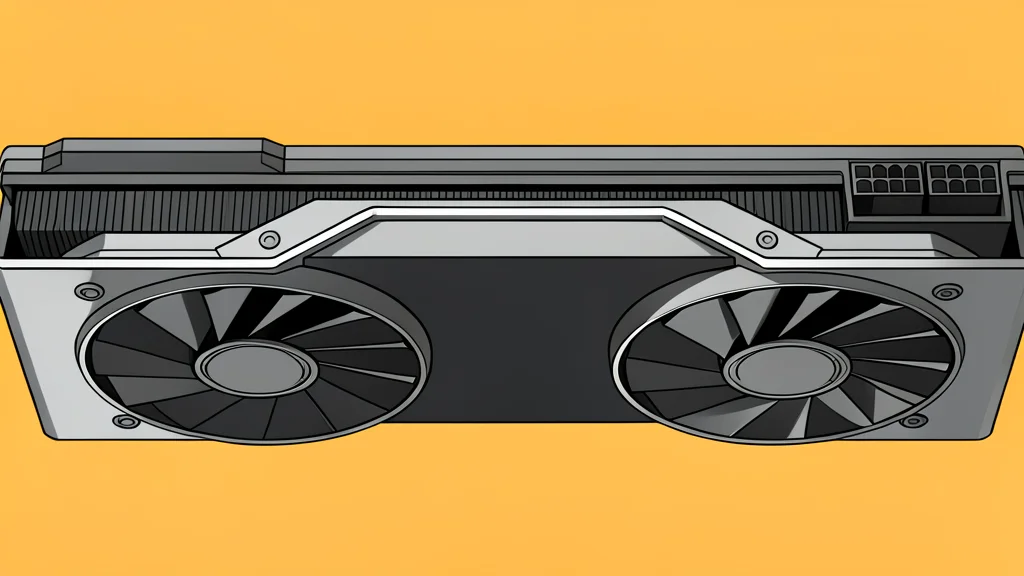
The GeForce RTX 2080 Ti and 2080 marked the debut of hardware ray tracing and AI cores in 2018, despite limited game support.
Key points
- The RTX 2080 Ti and 2080 launched in September 2018 with prices starting at $999 and $699, respectively.
- These cards introduced dedicated RT Cores for ray tracing and Tensor Cores for AI workloads, though game support was initially limited.
- DLSS, introduced with this generation, has evolved from a criticized first version to a sophisticated AI rendering tool in the current RTX 50 series.
NVIDIA’s GeForce RTX 2080 Ti and RTX 2080 graphics cards reached the market eight years ago in September 2018. These Turing-based cards represented a significant shift in consumer hardware by introducing dedicated silicon for real-time ray tracing and artificial intelligence workloads.
While the hardware was groundbreaking, the initial launch was hindered by high price tags and a scarcity of compatible games. The technology has since evolved far beyond its original capabilities, but the core architecture established in 2018 remains the foundation for modern graphics cards.
High launch prices defined the series
The RTX 2080 Ti launched with 11GB of GDDR6 memory and 4,352 CUDA cores, carrying a suggested starting price of $999. Its sibling, the RTX 2080, featured 8GB of memory and 2,944 CUDA cores, with a base price of $699. Founders Edition models, which included NVIDIA’s own cooling designs, cost $1,199 and $799 respectively.
These figures placed the cards in a premium tier that was difficult for many mainstream gamers to justify at the time. The cost premium was attributed to the complexity of the new Turing architecture and the inclusion of specialized hardware that previous generations lacked.
Ray tracing support was initially scarce
NVIDIA introduced dedicated RT Cores to handle light simulation in real time, rating the 2080 Ti at 10 GigaRays per second. However, the game library at launch was thin, with titles like Battlefield V and Metro Exodus being among the first to support the feature. The marketing term "GigaRays" did not gain traction with consumers due to the lack of widespread visual impact.
It took several months after the initial release for developers to fully integrate DirectX Raytracing effects into their engines. This delay meant that many early adopters purchased the cards with little to no immediate benefit from the flagship feature, leading to mixed reception in the early months.
AI cores evolved into modern tools
The Tensor Cores in Turing also laid the groundwork for DLSS, an AI-based image reconstruction technology. The first generation of DLSS was widely criticized for producing soft, blurry images that were often inferior to native rendering. It was not until the second generation, which utilized temporal reconstruction, that the technology became a viable performance boost for gamers.
According to VideoCardz.com, the technology has expanded significantly since then, with later generations adding frame generation and ray reconstruction. NVIDIA is now shipping DLSS 5 on its latest RTX 50 series, which uses AI to generate lighting and material details. While the implementation has changed drastically, the combination of ray-tracing and AI hardware introduced by the RTX 20 series remains standard in every subsequent GeForce RTX generation.