Obama Urges Democrats to Prioritize AI Oversight
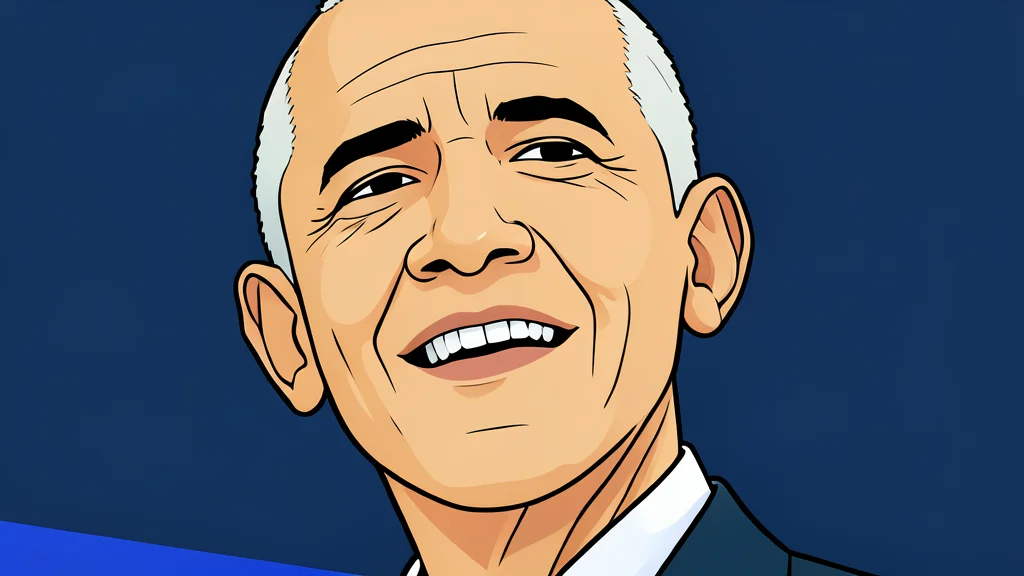
Former President Barack Obama has called on House Democratic leadership to make artificial intelligence regulation a primary legislative goal, arguing that the technology's rapid development poses significant risks if left unchecked.
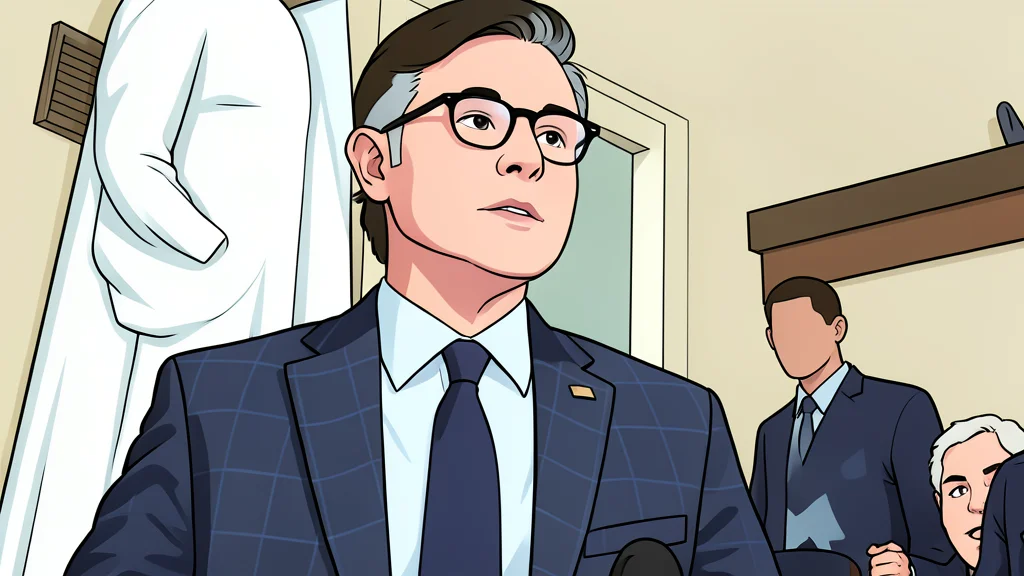
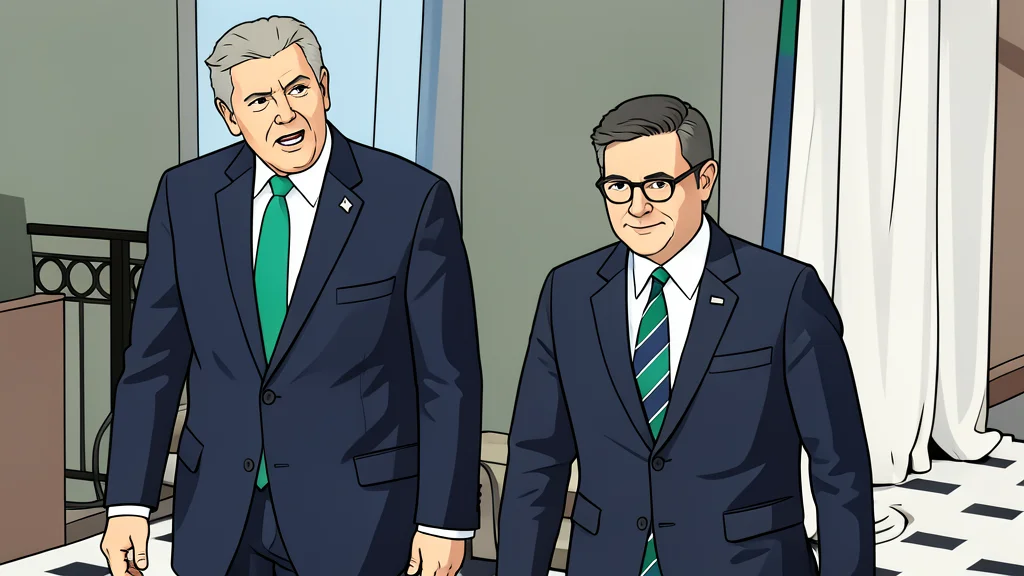
During a recent fundraising event, Obama advised House Democratic Leader Hakeem Jeffries to elevate AI oversight to the center of the party's agenda. According to reports from The New York Times, the former president emphasized that the technology is advancing quickly in private hands, creating a potential danger if the government does not step in to establish a public framework for its use.
Obama acknowledged the dual nature of the technology, noting that while it could accelerate drug development and clean energy solutions, it also carries severe risks. He described his stance as neither fully optimistic nor catastrophically pessimistic, but rather a call for urgent, structured governance to manage the trade-offs between innovation and safety.
Urgent calls for regulatory guardrails
The push for regulation follows alarming warnings from within the tech industry itself. Jacob Coxon, a former researcher at Anthropic, recently resigned and stated that major AI developers are racing toward superintelligence without sufficient safety measures. He described the current trajectory as a gamble with public safety, highlighting a growing disconnect between private sector speed and public protection.
Jeffries has echoed these concerns, stating in a recent interview that lawmakers must act urgently to protect American health and safety. He framed the need for guardrails as a necessity for well-being, aligning with the broader Democratic stance that proactive regulation is required to prevent harm from emerging technological capabilities.
Political divide on AI approach
This advocacy stands in sharp contrast to the approach favored by the White House. President Donald Trump recently reiterated his preference for a lighter-touch strategy, emphasizing the need for the United States to outpace China in the AI race. He suggested that excessive regulation could stifle innovation and argued that many of the fears regarding AI risks are exaggerated by negative forces.
The debate highlights a fundamental split in how to handle the technology's future. One side views strict oversight as a shield against existential risks, while the other sees it as a barrier to competitive dominance. As the industry continues to evolve, the lack of a unified national strategy leaves significant uncertainty for both developers and the public.
Stakes for public safety and innovation
The core of the disagreement lies in the balance between allowing rapid advancement and ensuring safety. Obama’s intervention suggests that the window for establishing effective rules is narrowing as capabilities scale. For citizens, the outcome will determine whether AI serves as a tool for widespread benefit or a source of unmanaged risk.
According to reporting by GN technics/ai (en-US), the pressure on legislators is intensifying. The trade-off is clear: aggressive regulation may slow development but offer protection, while deregulation may boost speed but increase exposure to potential harms. This decision will shape the technological landscape for years to come.