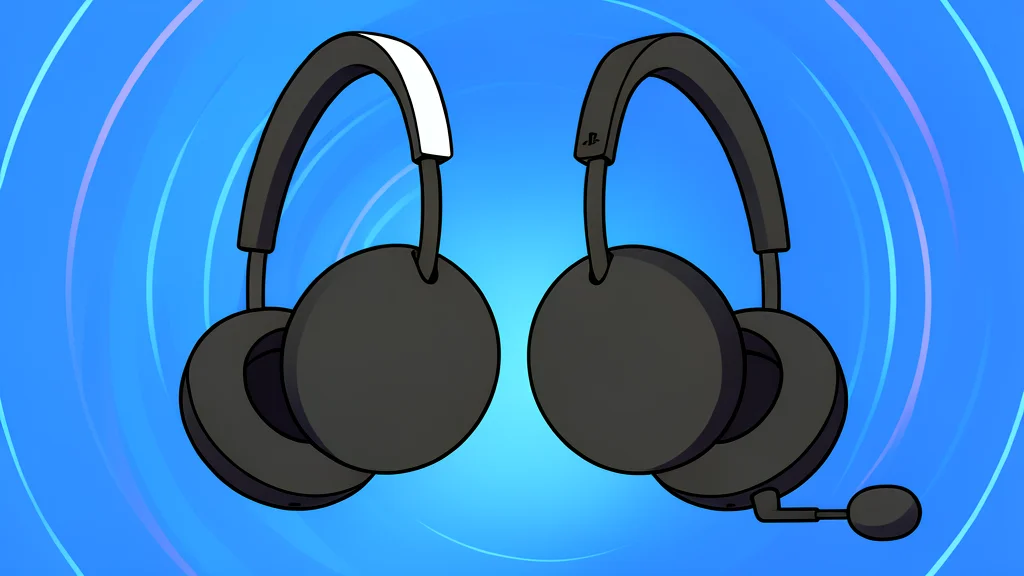
Razer Adds Tactile Feedback to Budget Gaming Headset
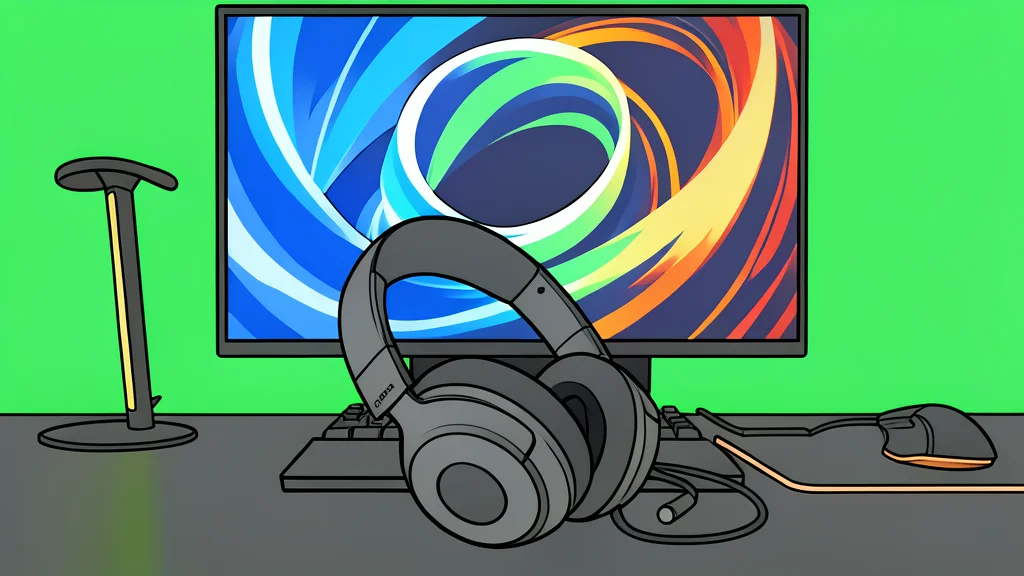
The new Kraken V4 X Sensa HD brings haptic rumble to a mid-range price point, though it requires a PC connection and relies on specific software support.
Razer has introduced the Kraken V4 X Sensa HD Haptics Edition, a wired gaming headset that integrates physical vibration into the audio experience. The device is designed to make players feel sound effects such as explosions and footsteps through a system of actuators that respond to in-game events. This feature aims to add a tactile layer to gameplay, moving beyond simple audio output to include physical sensation.
The system works by analyzing audio signals to determine the intensity, duration, and position of sounds. According to reports from GN technics/gaming, the headset distinguishes between different types of noises, such as gunshots or environmental effects, to adjust the vibration pattern accordingly. This allows for a more nuanced feedback loop where a distant sound produces a weaker rumble than a close-range one. The headset is priced at $99.99 and is available for purchase now.
Haptic feedback supports over 100 titles
The haptic system supports more than 100 PC games through two distinct methods. The first, called Dynamic Haptics, uses effects created by game developers that are directly mapped to specific in-game actions like weapon fire or movement. The second method, known as Audio-to-Haptics, relies on profiles tuned by Razer to convert standard audio output into vibration patterns. This dual approach ensures that even if a game does not have native haptic support, the headset can still generate tactile feedback based on the sound profile.
However, the availability of these effects is limited to PC gaming. The virtual 7.1 surround sound and the haptic features require a connection to a Windows PC to function fully. This means console gamers or those using mobile devices will not be able to access the full range of tactile features. The reliance on a wired USB connection also limits mobility compared to wireless alternatives, which is a trade-off for the direct data transfer needed for precise haptic synchronization.
Audio drivers and microphone design
Beyond the haptic features, the headset uses 40mm TriForce drivers that separate high, mid, and low frequencies to improve sound clarity. The design includes breathable memory foam cushions to reduce heat buildup during long sessions. A cardioid microphone is included to suppress background noise, focusing on the user's voice for clearer communication in team-based games. Razer Chroma RGB lighting is also present on the ear cups, adding a visual element to the design.
The overall build is aimed at players who prioritize immersion through touch as well as sound. By combining standard high-fidelity audio with physical feedback, Razer positions this headset as a comprehensive sensory package. The fixed price of $99.99 places it in the mid-range segment, competing with other headsets that offer similar audio specs but lack the haptic integration. This distinction may appeal to users who find visual and auditory cues insufficient for fully grasping in-game spatial events.
Trade-offs for haptic immersion
While the added sensation can enhance engagement, the system introduces specific limitations. The need for Razer software to manage the haptic profiles adds a layer of dependency on the company's ecosystem. Users must ensure their drivers and applications are up to date to maintain compatibility with new games. Furthermore, the physical vibration may be distracting for some players or may wear out over time due to the mechanical stress on the actuators.
The wired nature of the headset also means users are tethered to their desktops, which can be a hindrance in casual or casual multiplayer settings where freedom of movement is preferred. Despite these constraints, the Kraken V4 X Sensa HD offers a unique proposition in the market by making tactile feedback accessible at a lower price point than previous high-end haptic solutions. It serves as a test case for whether broader audiences are willing to adopt physical feedback as a standard feature in gaming peripherals.