Roblox Levels Now Driven by Real Quantum Hardware
A new Roblox-style game uses live quantum computer data to generate levels, marking a practical step for quantum tech beyond the lab.
A Roblox-style game is now using a real quantum computer to generate its levels in real time, moving the technology from theoretical research into interactive entertainment. The project, developed by MOTH Quantum and MiTale, demonstrates that quantum hardware can already power creative applications, not just scientific calculations.
This development was highlighted in a recent episode of The Quantum Kid, where 10-year-old host Kai played the game and reacted to the underlying mechanics. The segment illustrates how quantum computing is expanding into gaming and media, offering a tangible example of the technology’s capabilities for a general audience.
Quantum Randomness Replaces Standard Servers
Traditional video games generate levels using pseudo-random algorithms running on classical game servers. This new approach bypasses that method entirely. Instead, the game contacts a physical quantum computer, which uses the inherent unpredictability of quantum states to determine the sequence and structure of obstacles.
James Wootton of MOTH Quantum and Natasha Skult of MiTale explain that quantum randomness behaves fundamentally differently from classical pseudo-randomness. While this creates unique level variations, it introduces a significant trade-off: relying on external quantum hardware adds latency and complexity to the game infrastructure that standard software does not require.
Playing Chess with Superposition Rules
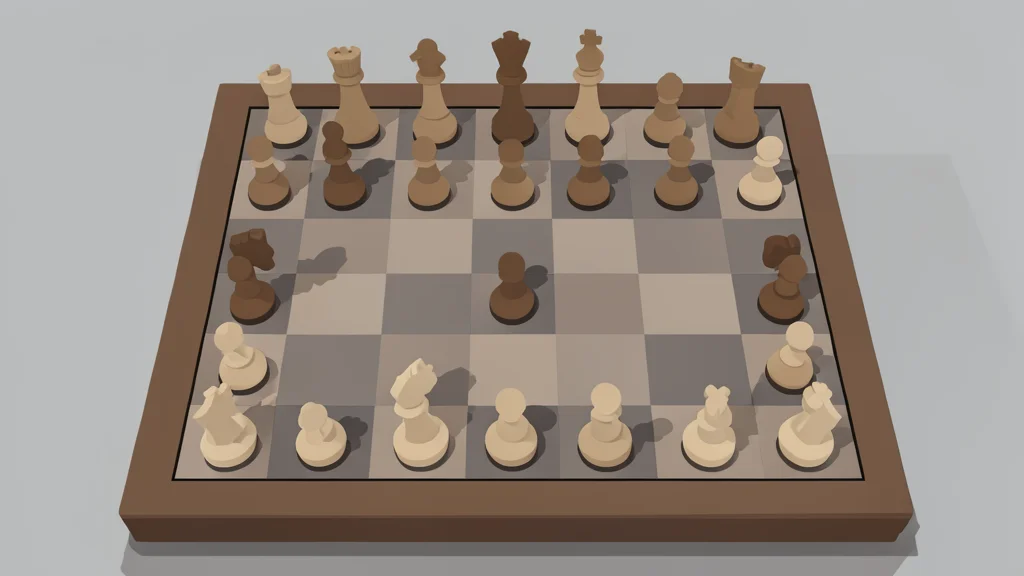
The same episode features a match of quantum chess, where standard rules are rewritten by quantum mechanics. In this version, pieces can exist in a superposition, meaning a single pawn might occupy two different squares simultaneously until a move forces a definite outcome.
Kai won a live match against researcher Tamás Varga by placing his queen into superposition, a move that is legal under these quantum rules but impossible in classical chess. This highlights the core difference: quantum systems allow for states that do not exist in traditional computing, creating new strategic possibilities.
Educational Goals Behind the Tech
According to GN auto tech/hardware, the primary goal of these projects is not just entertainment, but education. The show aims to make complex quantum concepts accessible to students, curious adults, and workforce development programs.
By integrating quantum computing into familiar formats like gaming and chess, the developers hope to demystify the field. The catch is that these applications are still niche; they demonstrate capability but do not yet represent a mass-market shift in how games are built or played.