Silent Hill: Townfall Review Finds Strong Visuals, Weak Narrative
The new Silent Hill entry offers stunning visuals and tense early gameplay, but suffers from confusing puzzles and a thin story.
Key points
- Silent Hill: Townfall features a 15-hour campaign where players avoid monsters instead of fighting them, using a scanner to navigate.
- The game is visually stunning with detailed environments and atmospheric audio, but the monster designs are considered forgettable.
- Critics note that the late-game puzzles are confusing and the narrative lacks the emotional depth of previous Silent Hill titles.
The latest entry in the Silent Hill franchise, titled Townfall, has arrived with high expectations. Developed by Screen Burn Interactive and published by Konami Digital Entertainment and Annapurna Interactive, the game aims to deliver the psychological horror that fans have come to expect from the series. However, as reported by seattletimes.com, the experience is a mixed bag. While the opening hours are genuinely unnerving and visually striking, the game struggles to maintain its intensity as it progresses toward the end.
Players step into the shoes of Simon, a protagonist who washes up on the shores of the fictional Scottish town of St. Amelia. Set in 1996, the game drops you into a first-person perspective where you must navigate an eerie, fog-drenched environment. The core mechanic involves avoiding monsters rather than fighting them, a sharp departure from recent titles like Silent Hill 2. You rely on a handheld scanner to locate threats and solve puzzles, creating a tense atmosphere that works well initially but begins to falter later on.
Early tension gives way to frustration
The first few hours of the game are effective at building dread. The lack of combat options forces players to be cautious, using stealth and environmental awareness to survive. This design choice aligns with the franchise's roots in psychological survival horror. However, the review notes that this tension does not last. As the game moves into its later stages, the puzzles become increasingly obtuse and confusing. Instead of feeling challenging, they feel unfair, breaking the immersion that the early game worked hard to establish.
Furthermore, the enemies present in the late game are described as frustrating. These creatures cannot be killed but can instantly kill the player if they make contact. This dynamic shifts the player's emotional response from fear to annoyance. The inability to resolve threats through action, combined with poorly designed puzzles, leads to a sense of emptiness. What began as a gripping mystery unravels into a collection of disjointed challenges that fail to hold the player's interest.
Narrative depth remains a weak point
A central criticism of Townfall is its lack of narrative substance. While the game features a mystery surrounding Simon, Nurse Zoe, and Businessman Richard, their stories are described as weightless. The motivations of these characters are simplistic, lacking the nuance and subtlety that made previous installments so impactful. The story unfolds over a 15-hour campaign, but the emotional weight of the plot fails to land. The narrative feels thin, leaving players confused about the significance of the events rather than empathetic with the protagonist's suffering.
The review highlights that the characters' arcs do not resonate deeply. Despite the dark themes of regret and lies, the execution feels flat. This narrative weakness is compounded by the game's structure, which relies heavily on exposition and puzzle-solving rather than organic storytelling. As a result, the emotional connection between the player and the characters remains superficial, undermining the potential for a truly haunting experience.
Visual excellence masks structural flaws
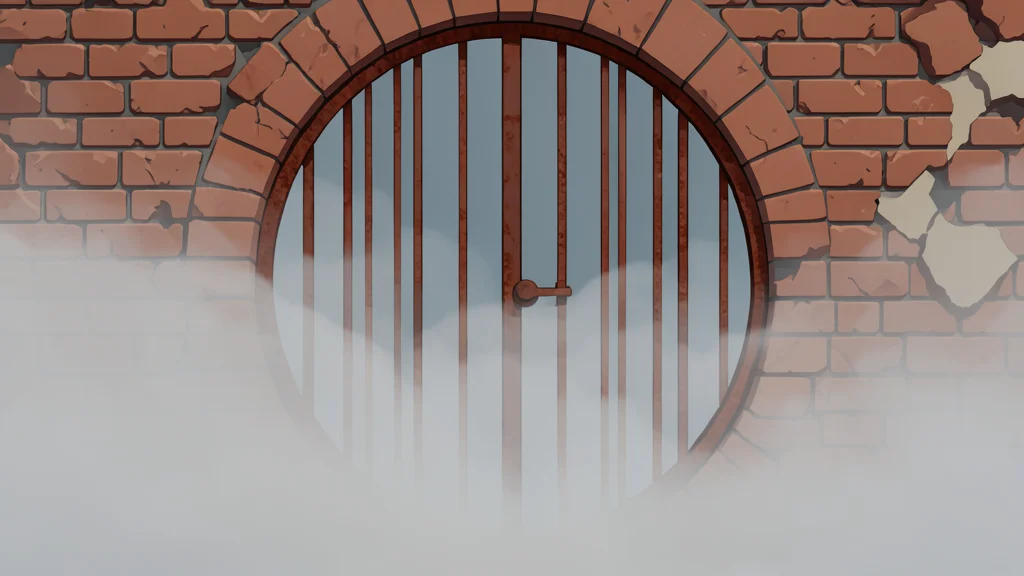
Despite the narrative and mechanical issues, Townfall is praised for its visual presentation. The town of St. Amelia is rendered with impressive detail, from the brickwork of the buildings to the signature fog that permeates the streets. The environment design is a standout feature, with locations like the hospital offering memorable sequences. One specific example cited is a surgery scene that showcases the game's atmospheric strengths. The audio design also contributes to the creepy mood, particularly the use of static and the visual shift to a blood-red Otherworld.
However, these visual strengths are not enough to save the game. The monster designs are noted as generally forgettable, and the overall experience is hampered by the late-game falloff. The game is a visual gem, but it lacks the narrative depth and consistent gameplay quality required to be a great entry in the series. For fans of the franchise, Townfall offers a beautiful but ultimately hollow experience, where the promise of psychological horror is not fully realized.