Galileo Ends 14-Year Jupiter Mission with Controlled Crash
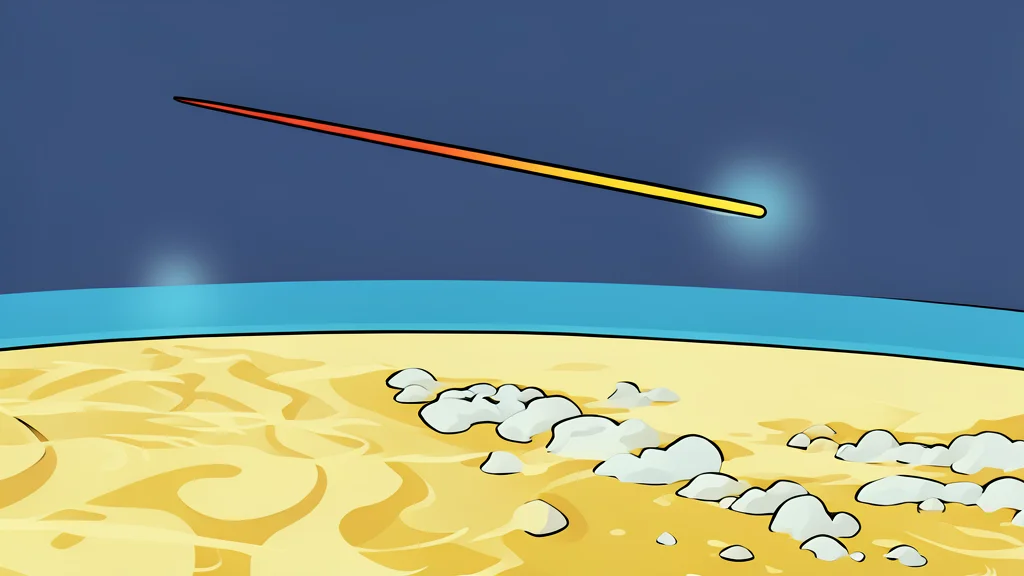
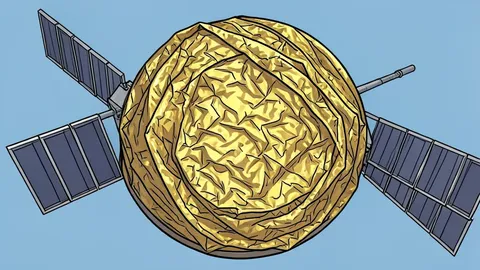
NASA deliberately crashed the Galileo spacecraft into Jupiter to prevent it from contaminating potentially habitable moons with Earth bacteria.
Key points
- NASA deliberately crashed Galileo into Jupiter in 2003 to prevent contamination of potentially habitable moons.
- The probe discovered a subsurface ocean on Europa and a magnetic field on Ganymede during its 14-year mission.
- Galileo’s final maneuver established a precedent for planetary protection used in later missions like Cassini.
On September 21, 2003, NASA concluded the Galileo mission by intentionally crashing the spacecraft into Jupiter’s dense atmosphere. This final maneuver was not an accident but a calculated decision to ensure the probe would not accidentally strike any of Jupiter’s icy moons.
The spacecraft had been orbiting the gas giant for eight years after a six-year journey through the solar system. With its fuel reserves depleted, engineers chose to end the mission with a fiery dive rather than allowing it to drift unpredictably through the Jovian system.
Protecting potential life on icy moons
The primary reason for the deliberate crash was planetary protection. Galileo carried microorganisms from Earth, and scientists feared that an uncontrolled impact on Europa, Ganymede, or Callisto could contaminate their subsurface oceans. These moons are considered among the most likely places in the solar system to harbor life.
By directing the spacecraft into Jupiter’s atmosphere, NASA guaranteed that any biological material would be destroyed by the extreme heat and pressure. This approach established a precedent for future missions, demonstrating that ending a probe’s life in a gas giant’s atmosphere is a safer alternative than leaving it in orbit or allowing it to crash into a potentially habitable moon.
Key discoveries during the orbital phase
During its 14-year tenure, Galileo made several groundbreaking findings that reshaped our understanding of the Jovian system. It provided strong evidence for a saltwater ocean beneath the icy crust of Europa, a discovery that has since driven numerous proposed follow-up missions. The probe also revealed that Ganymede, the largest moon in the solar system, possesses its own magnetic field.
Additionally, Galileo observed that Io, Jupiter’s volcanic moon, exhibits volcanic activity roughly 100 times more intense than that on Earth. It was also the first mission to detect ammonia clouds in Jupiter’s atmosphere. These findings highlighted the dynamic and hostile nature of the environment surrounding the solar system’s largest planet.
A legacy for future outer planet probes
As reported by Space, Galileo paved the way for subsequent missions to the outer solar system. Its success in surviving the intense radiation environment around Jupiter helped inform the design of later orbiters, including NASA’s Juno spacecraft and the Cassini probe to Saturn.
The mission’s conclusion also influenced how future missions manage their end-of-life phases. The controlled destruction of Galileo became a model for the Grand Finale of the Cassini mission, which similarly ended with a deliberate dive into Saturn to protect its moons from contamination. This strategy remains a standard protocol for protecting potential habitats in the solar system.