Tim Cain Warns Gamers that Industry Instability Is Here to Stay
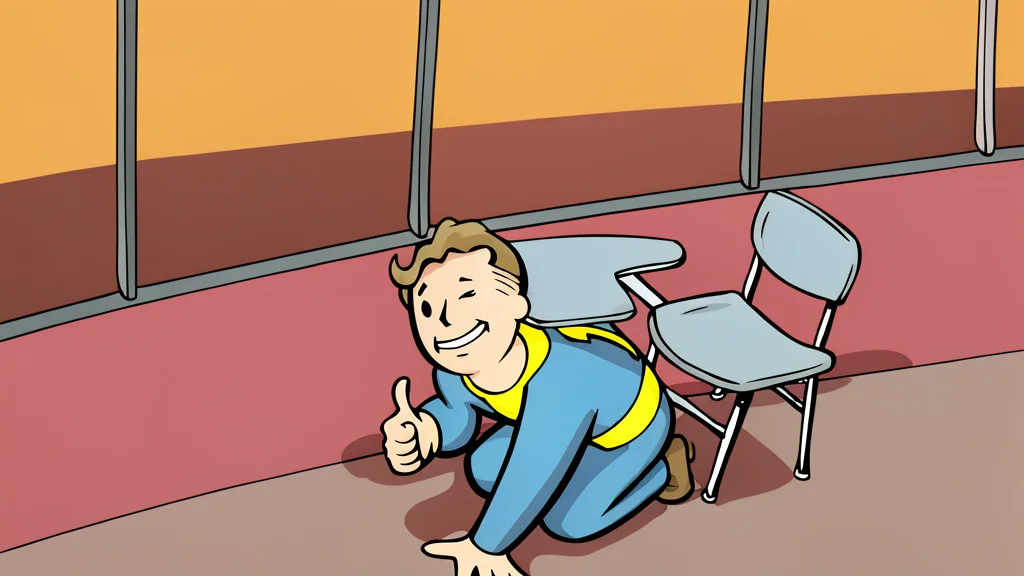
The creator of the original Fallout argues that current layoffs and market contraction are part of a long-standing cycle rather than a temporary anomaly, urging workers to adapt their career strategies.
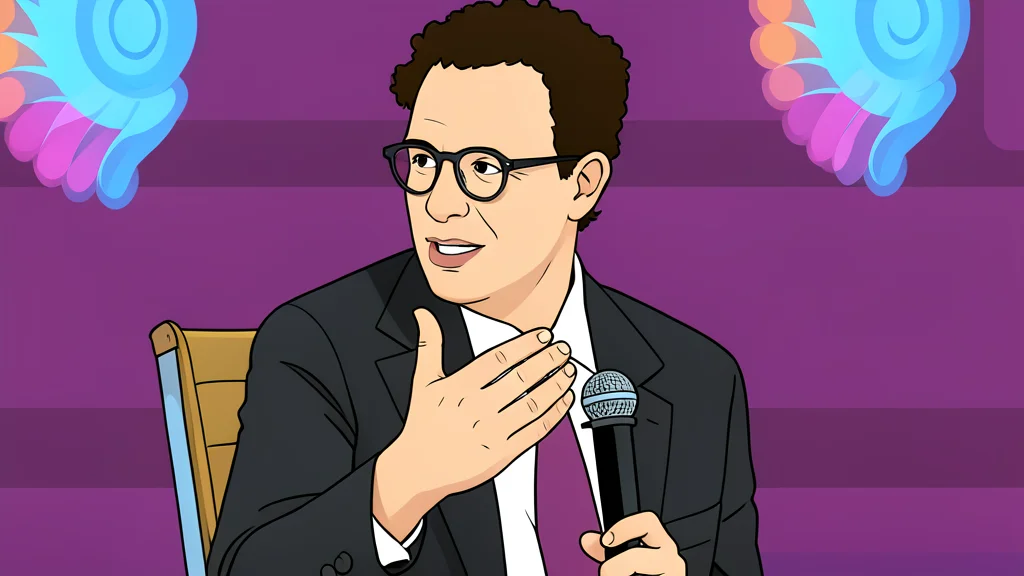
Tim Cain, the co-creator of the original Fallout franchise, has argued that the current wave of layoffs and market contraction in the video game sector is not a temporary blip but a permanent feature of the industry. In a recent video, Cain explained that while the current economic climate is particularly harsh due to post-pandemic corrections and rising hardware costs, this volatility has always existed. He emphasized that the instability stems from the sector's position at the intersection of rapid technological change and artistic creation, making long-term job security a rare exception rather than the norm.
Cain noted that investors are currently redirecting capital toward other sectors, such as artificial intelligence data centers, which has forced game studios to shrink operations. He acknowledged that while these difficult periods will eventually pass, new cycles of contraction will inevitably follow. For employees who joined the industry in the last decade expecting stable, decades-long careers, Cain offered a direct warning: that assumption was incorrect. He described the perception of gamdev as a reliable lifelong career as a form of survivorship bias, citing his own long tenure as an outlier rather than a standard expectation.
Economic Shifts Drive Current Contraction
The primary drivers behind the current industry downturn include the correction of reckless investments made during the pandemic and a significant rise in hardware costs. Cain pointed out that the demand for computing power driven by AI data centers has pushed up prices for components essential to gaming. Additionally, capital is flowing out of the video game sector and, in some cases, out of the United States entirely. This financial contraction has necessitated widespread layoffs, a reality that Cain described as an inevitable consequence of the market readjusting to more sustainable economic conditions.
Historical Cycles Define Industry Stability
Cain drew parallels between today's challenges and the video game crash of 1983, arguing that the industry has always experienced periods of severe contraction followed by recovery. He stated that what is happening now is not novel or new to the sector. The core issue, he posited, is that games rely on both art and cutting-edge technology, both of which evolve rapidly. This dual dependency creates an environment where stability is elusive. For new entrants, he advised either developing a broad set of eclectic skills or hyper-specializing in a niche to remain valuable amidst these shifts.
Labor Movements Seek Structural Change
While Cain focused on individual career strategies, there is a concurrent push for structural changes through labor rights. Recent developments highlight this tension, such as the breakthrough union contract won by Blizzard Entertainment workers. This agreement covers all game development teams and shared services, marking a significant shift in how major studios manage their workforce. Similarly, unions in the UK are actively supporting Rockstar Games employees amid allegations of union-busting. These efforts suggest that while individual adaptation is necessary, collective action is also playing a role in attempting to stabilize working conditions within the volatile gaming sector.