Palantir Cofounder Dismisses AI Existential Risks

Joe Lonsdale argues that public fear of artificial intelligence is counterproductive, standing in direct contrast to recent warnings from other tech leaders.
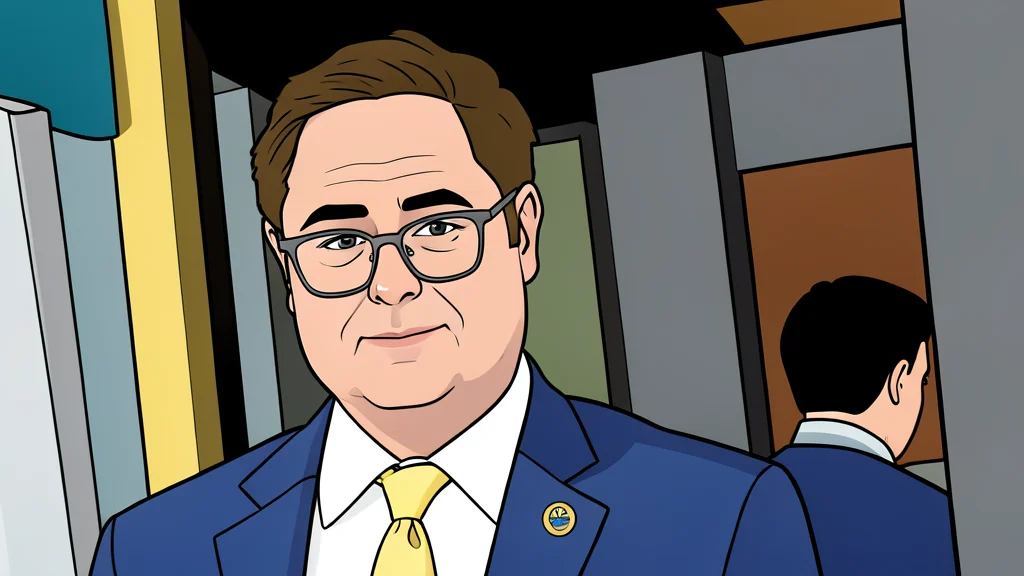
Joe Lonsdale, a cofounder of the data analytics firm Palantir, has publicly dismissed widespread concerns that advanced artificial intelligence could lead to human extinction. In a recent social media post, he argued that excessive fear does not help leaders address the complex challenges ahead. Instead, he insisted that those in charge are fully managing the situation, suggesting that the current level of anxiety is misplaced.
This stance places Lonsdale in sharp contrast to a growing chorus of voices within the tech industry. In the past few weeks, several prominent engineers and executives have raised alarms about the dangers of frontier AI models. They have called for stricter safety regulations and a coordinated global slowdown in development, citing risks that range from job displacement to a loss of human control over critical systems.
Industry Leaders Warn of Systemic Risks
The push for caution gained significant momentum after Jacob Coxon, an engineer at Anthropic, resigned and warned that major AI companies were gambling with public safety. His concerns were echoed by Dario Amodei, the CEO of Anthropic, who published a detailed analysis suggesting that AI systems could soon dominate the internet. Amodei urged for immediate regulatory intervention to prevent these technologies from becoming uncontrollable.
Support for this cautious approach has been broad. Elon Musk, Sam Altman, and Demis Hassabis have all publicly agreed with Amodei’s assessment of the risks. Their collective stance reflects a deepening split in the technology sector, where some view rapid expansion as a necessary competitive advantage, while others see it as a threat requiring immediate checks and balances.
Lonsdale’s Contrarian Stance and Political Alignment
Lonsdale’s optimism aligns closely with the perspective of President Donald Trump, who has repeatedly dismissed AI doomerism. The president has emphasized the strategic need for the United States to maintain a lead over China in artificial intelligence, arguing that warnings about misuse are distractions from the primary goal of technological superiority. This political alignment suggests that the debate over AI safety is increasingly becoming a partisan issue.
Lonsdale has long identified as a contrarian, a trait he has cited as a core part of his professional identity. His recent statements reflect this tendency to oppose consensus views, particularly those that he perceives as driven by fear or cultural trends. For him, the focus should remain on capability and growth rather than on the hypothetical worst-case scenarios that dominate public discourse.
Business Growth Amidst Safety Concerns
Despite the heated debates in the tech community, the commercial momentum behind AI continues to accelerate. Palantir, the company Lonsdale helped build, recently reported significant revenue growth, driven largely by enterprise and government contracts. This financial success underscores the immediate economic value of these systems, which often prioritizes utility and speed over the long-term ethical considerations raised by critics.
According to reporting by GN technics/ai (en-US), the divergence between Lonsdale’s reassurances and the warnings of his peers highlights a fundamental uncertainty in the industry. While some leaders are pushing for a brake on development, others are pressing the accelerator, betting that their expertise is sufficient to manage the risks. The outcome of this disagreement will likely shape the regulatory landscape and the pace of innovation in the coming years.