Singdata Launches Managed Data Platform Across Eight Global Clouds
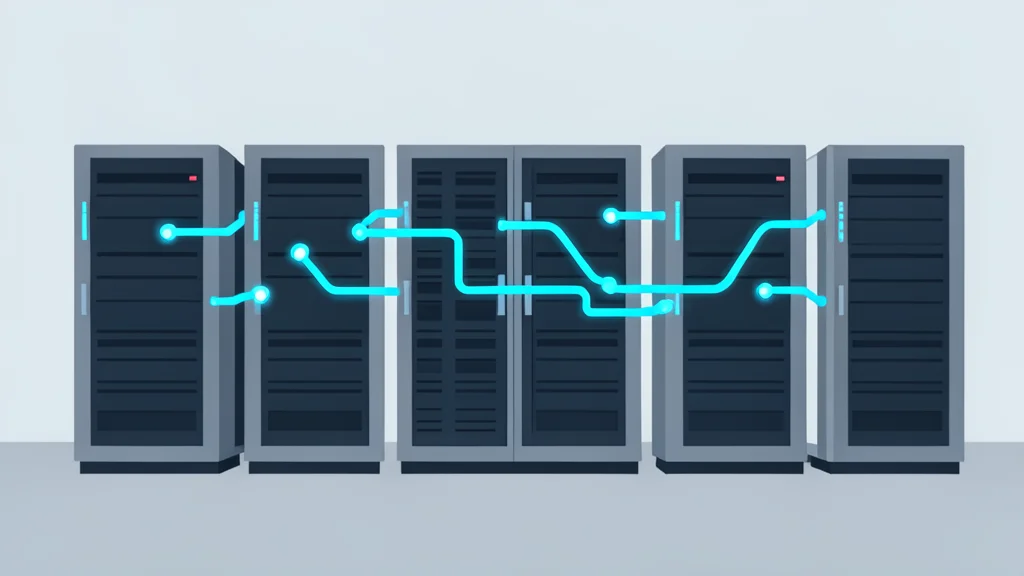
A new data platform promises to simplify complex cloud infrastructure by offering a unified interface across eight major providers and three different hardware types, aiming to reduce the engineering burden on enterprise teams.
Enterprises facing the challenge of managing data across multiple cloud providers now have a new option that aims to reduce operational complexity. Singdata has announced that its fully managed lakehouse service is available across eight major global cloud platforms and supports three different CPU architectures. This move targets a common pain point for data teams who often struggle to balance the ease of managed services with the flexibility needed for diverse infrastructure.
The platform is designed to bridge the gap between the simplicity of software-as-a-service and the freedom of open-source tools. By standardizing the query engine and governance models, Singdata claims that workloads will perform identically regardless of whether they are running on Amazon Web Services, Microsoft Azure, or regional platforms like Alibaba Cloud. This approach seeks to eliminate the need for teams to manually tune hardware or manage patches across different environments.
Overcoming Regional Cloud Limitations
Legacy data platforms often restrict users to a small number of Western cloud providers, which can be problematic for companies with significant operations in Asia-Pacific and emerging markets. According to reports from GN auto tech/cloud, this new service extends native support to providers such as Tencent Cloud, Volcano Engine, Huawei Cloud, and Baidu AI Cloud. This broader coverage allows enterprises to keep their data close to their users and operations, potentially reducing latency and compliance issues associated with cross-border data transfers.
Simplifying Hardware Compatibility
A significant part of the operational burden in multi-cloud environments comes from managing different hardware specifications. Traditional open-source engines often require extensive engineering effort to ensure they run efficiently across Intel, AMD, and ARM processors. Singdata’s architecture is built to handle this variation internally, meaning developers do not need to write different code or adjust configurations for each processor type. This standardization is intended to lower the total cost of ownership by removing the need for specialized infrastructure engineers.
Trade-offs in Managed Services
While the service offers greater flexibility than some competitors, it comes with the inherent constraints of a proprietary system. Users are relying on a single vendor for the core engine, which may limit the ability to customize low-level components compared to fully open-source solutions. Additionally, while the platform supports a wide range of clouds, the depth of support and regional resource allocation may still vary by location. Companies must weigh the reduction in daily operational tasks against the potential limitations of vendor-specific governance and support models.