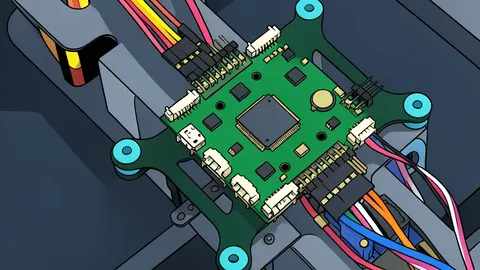
ASUS Ascent QN10 Packs 80 TOPS AI Power into 0.7-Liter Mini PC
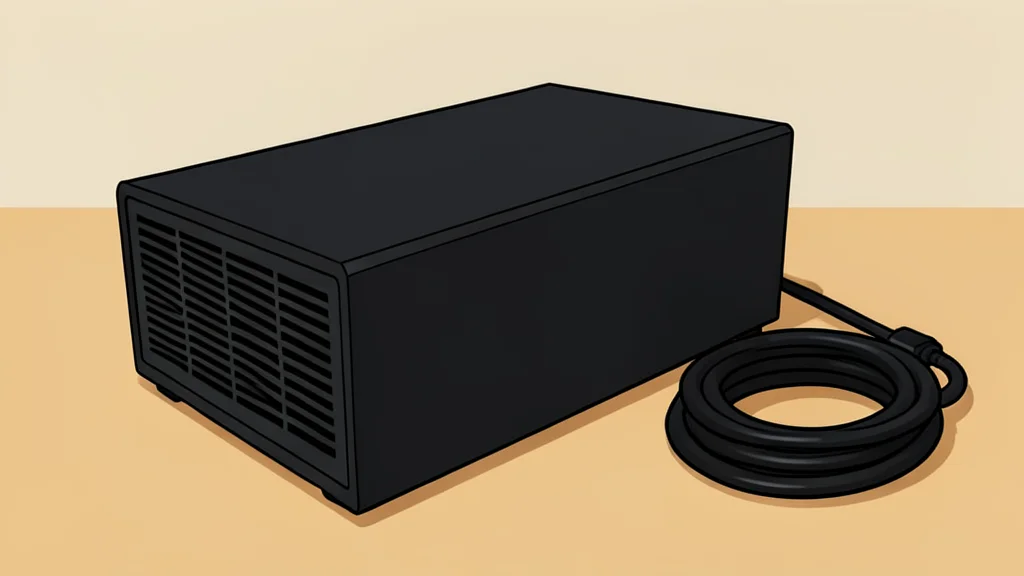
The new mini PC fits in a shoebox but handles complex AI tasks locally, reducing cloud reliance for privacy-focused users.
Key points
- The ASUS Ascent QN10 is a 0.7-liter mini PC featuring an 80 TOPS NPU for local AI tasks.
- It uses the Snapdragon X2 Elite platform with an 18-core CPU and improved Adreno graphics.
- Enterprise security features, including fTPM 2.0, protect data across hardware and software layers.
ASUS has released the Ascent QN10, a desktop computer that prioritizes local artificial intelligence performance over sheer physical size. Measuring less than 0.7 liters, the chassis is 86% smaller than standard 5-liter desktops, making it suitable for cramped home offices or dense enterprise racks. The primary goal is to allow users to run complex AI models directly on their hardware rather than sending data to external servers.
The system is built around Qualcomm’s Snapdragon X2 Elite platform, which includes an 18-core CPU and a dedicated neural processing unit capable of 80 trillion operations per second. According to AndroidGuys, this configuration aims to balance high-speed computing with low energy consumption, targeting creators and business users who need responsive AI tools without the latency often associated with cloud-based processing.
Local AI processing reduces latency
Running AI tasks on the device itself offers two distinct advantages: lower latency and improved data privacy. By handling workloads like real-time translation or content generation locally, the computer eliminates the delay caused by sending data to the cloud and back. This is particularly useful in environments with unstable internet connections or where sensitive information must not leave the local network.
However, the benefit depends heavily on software compatibility. Not all applications are optimized to use the dedicated AI hardware, meaning some tasks may still fall back on the general-purpose CPU or cloud services. Users should verify that their specific workflows support local AI acceleration before expecting significant performance gains from the 80 TOPS NPU.
Compact design supports enterprise security
Despite its small footprint, the Ascent QN10 includes security features typically reserved for larger corporate systems. It uses a firmware-based Trusted Platform Module to protect data at the hardware level, ensuring that encryption keys and sensitive information remain secure even if the operating system is compromised. This multilayered approach is designed for organizations deploying AI-enabled applications across multiple devices.
The integrated Adreno graphics unit also claims a 2.3x performance boost over the previous generation, which helps with video enhancement and visual rendering tasks. This combination of compact construction and robust security makes the device a viable option for professionals who need a space-saving computer that can handle more than basic office tasks.
Trade-offs in specialized hardware
The shift to ARM-based architecture, as seen in the Snapdragon X2 Elite, brings efficiency but requires software adaptation. While the hardware is powerful, some legacy Windows applications may not run natively and could require emulation, which can impact performance. Users moving from traditional x86 processors should test critical applications to ensure they function smoothly on this new platform.
Additionally, while local AI processing offers privacy benefits, the total available memory and storage are critical factors for handling large models. The compact chassis limits the number of expansion slots compared to full-tower desktops, so users must carefully plan their storage and memory configurations to ensure the system can handle their specific AI workloads without bottlenecks.