Desktop GPU Shipments Surge Despite Record Pricing
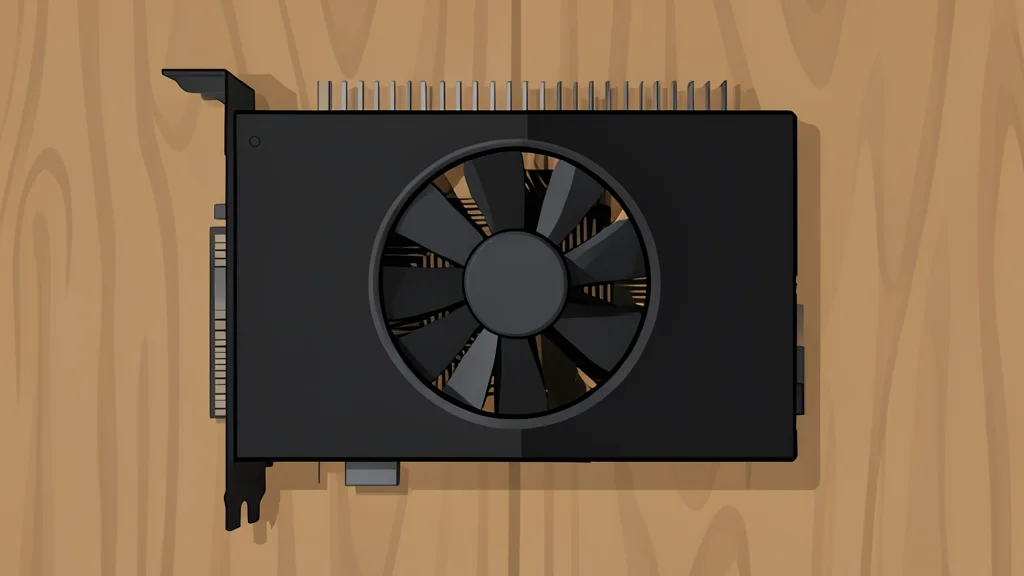
Quarterly desktop graphics card sales hit a four-year high even as consumer prices climbed, with NVIDIA maintaining near-total dominance in the standalone market.
Desktop graphics card shipments reached 12.5 million units in the second quarter of 2026, marking the strongest quarterly total since early 2022. This surge in sales volume occurred despite street prices for new hardware sitting near record highs and memory costs continuing to rise. The data suggests that demand remained resilient even when the cost of entry increased significantly for buyers.
NVIDIA captured approximately 90% of this desktop add-in board market, while AMD held about 8% and Intel accounted for roughly 2%. According to reports from GN technics/hardware (en-US) and other outlets citing Jon Peddie Research, this represents a reversal of expectations. Analysts had predicted a shrinking market due to high prices, yet vendors collectively sold more units than in any comparable period in recent years.
Sales Rose Against Forecasted Decline
The increase in shipments defied earlier projections that suggested the market would contract. Jon Peddie Research had previously forecast a compound annual growth rate of negative 3.3% through 2029. Instead, the second quarter saw a 5.9% sequential increase and a 7.8% year-over-year gain. This indicates that consumer demand was stronger than anticipated, driven by users seeking to upgrade before further price hikes.
This trend challenges the common assumption that higher prices inevitably suppress sales volume in the PC hardware sector. While prices for components like GDDR memory have climbed, the total number of units sold still hit a multi-year peak. The data suggests that for many desktop users, the decision to purchase was influenced by factors other than immediate cost, such as performance needs or fear of future scarcity.
NVIDIA Dominates Standalone Card Market
NVIDIA’s 90% share applies specifically to standalone desktop graphics cards, not the broader computer market including laptops and integrated chips. In this specific segment, NVIDIA shipped an estimated 11.25 million units. AMD followed with roughly one million units, while Intel’s Arc lineup accounted for several hundred thousand. This narrow definition is crucial for understanding the competitive landscape in the desktop tower space.
The trade-off for consumers is clear: while choice exists, the selection is heavily skewed toward one vendor. AMD and Intel combined make up only 10% of the desktop discrete GPU market. This concentration means that pricing power and availability remain largely tied to NVIDIA’s strategy, leaving fewer alternatives for buyers seeking different architectures or price points.
Broader Market Shows Different Trends
When looking at the entire PC GPU market, which includes notebooks and integrated graphics, the picture becomes more complex. Total shipments in this broader category rose by 12.2% in the second quarter. In this wider context, Intel actually led growth, suggesting that its integrated solutions are finding success in different device types. The dominance of NVIDIA is thus a desktop-specific phenomenon.
For buyers, this means that the desktop upgrade path remains expensive and limited in variety. The surge in desktop sales does not reflect a general collapse of competition in all computing devices. Instead, it highlights a specific segment where high-end performance drives purchasing decisions, allowing vendors to maintain premium pricing despite a challenging economic environment.