Physicists Remain Divided on Core Universe Questions
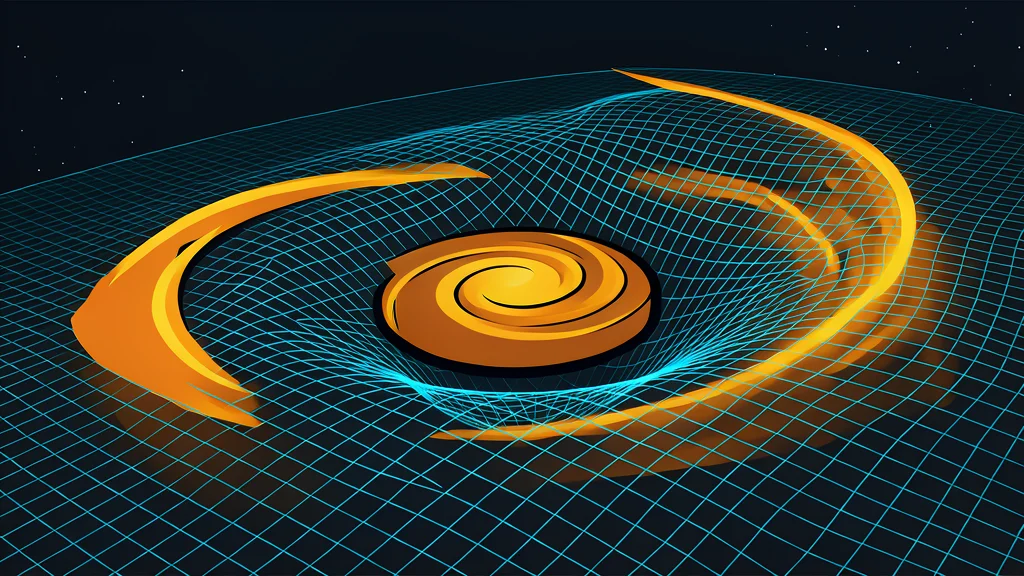
A new global survey shows that experts lack consensus on dark matter and the origin of time, highlighting how unsettled modern physics remains.
Physicists around the world do not share a single view on how the universe operates, according to the largest global survey of the field ever conducted. The study, reported by ScienceDaily, reveals that major theoretical frameworks have failed to secure majority support among experts. This lack of consensus spans critical areas such as the nature of dark matter and the reconciliation of gravity with quantum mechanics.
The findings suggest that the frontiers of physics are more unsettled than popular narratives imply. While some theories dominate textbooks, the current evidence does not yet compel a unified agreement. Researchers indicate that this division is not a sign of confusion but rather evidence that the field is actively evolving.
Standard cosmological model lacks majority support
The standard model of cosmology, known as Lambda Cold Dark Matter, did not win over more than half of the respondents. This result may reflect recent observational data suggesting that dark energy could vary over time, which conflicts with the model's assumption of constancy. Consequently, the foundational framework used to describe the large-scale structure of the universe remains under scrutiny.
Despite this uncertainty, one area showed stronger alignment. A significant majority of participants agreed that the Big Bang does not necessarily mark the absolute beginning of time. Instead, it describes the evolution of the universe from an extremely hot and dense state. This nuance distinguishes the physical process from a definitive temporal origin.
Dark matter explanations remain fragmented
Opinions on the composition of dark matter are widely divided. Only a small fraction of physicists favored the idea that it consists of undiscovered low-mass particles. Others supported modifications to gravitational theory, while the largest group preferred a combination of multiple explanations. This spread indicates that a central mystery of modern cosmology still lacks a definitive solution.
The lack of consensus extends to the nature of cosmic inflation. Just over half of the respondents agreed that the early universe underwent a period of rapid expansion. This narrow majority suggests that even this widely accepted concept is not universally settled among experts.
Quantum gravity theory remains unresolved
Efforts to unify gravity with quantum mechanics have not produced a dominant theory. String theory received the highest level of support, but only a small percentage of physicists selected it as the most likely solution. Other approaches, such as loop quantum gravity, garnered even less backing. Some experts even suggested that gravity may not be quantizable at all.
Researchers view this widespread disagreement as a positive sign for the future of the discipline. The absence of consensus highlights areas where evidence is still accumulating and where radically different ideas are being explored. This state of flux underscores that scientific truth is determined by evidence rather than by popular vote.