Honor Robot Phone Survives Bending but Fails Dust Tests
The first smartphone with a built-in camera gimbal shows promising mechanical resilience but reveals significant vulnerabilities regarding heat and environmental protection.
Honor’s Robot Phone, the first smartphone to integrate a mechanical 3-axis gimbal directly into its chassis, has undergone rigorous durability testing. While the device demonstrates surprising structural integrity, recent evaluations highlight specific weaknesses that users must consider before adopting this novel hardware.
As noted in reporting by GN technics/mobile (en-US), the device is currently only available through imports from China. The tests reveal a clear trade-off: the mechanical innovation offers unique camera stability but introduces new failure modes related to heat and dust that standard phones do not face.
Motor Heat Remains Manageable
During stress tests where the gimbal motors were intentionally blocked while moving, the robotic arm reached temperatures of approximately 50 degrees Celsius, or 125 Fahrenheit. While this is significantly warmer than a standard smartphone during charging, the heat levels are considered manageable for daily use and do not pose an immediate risk of component failure.
The motors themselves proved forgiving under physical obstruction, suggesting that accidental impacts or debris jams are unlikely to permanently break the mechanism. However, users should be aware that sustained operation in such conditions will generate noticeable warmth in the lower half of the device.
Dust Ingress Creates Critical Failure
The most significant drawback is the phone’s lack of robust environmental protection. Unlike conventional flagships that typically carry an IP68 rating for full waterproofing and dustproofing, the Robot Phone is rated only IP54. This means it is not waterproof and offers limited protection against dust.
Testing showed that exposure to dirt effectively disabled the moving arm. Even after attempts to clear the mechanism with compressed air, the gimbal failed to function correctly. This makes the device unsuitable for beach environments or construction sites, where standard phones would likely survive without issue.
Internal Build Quality Is Solid
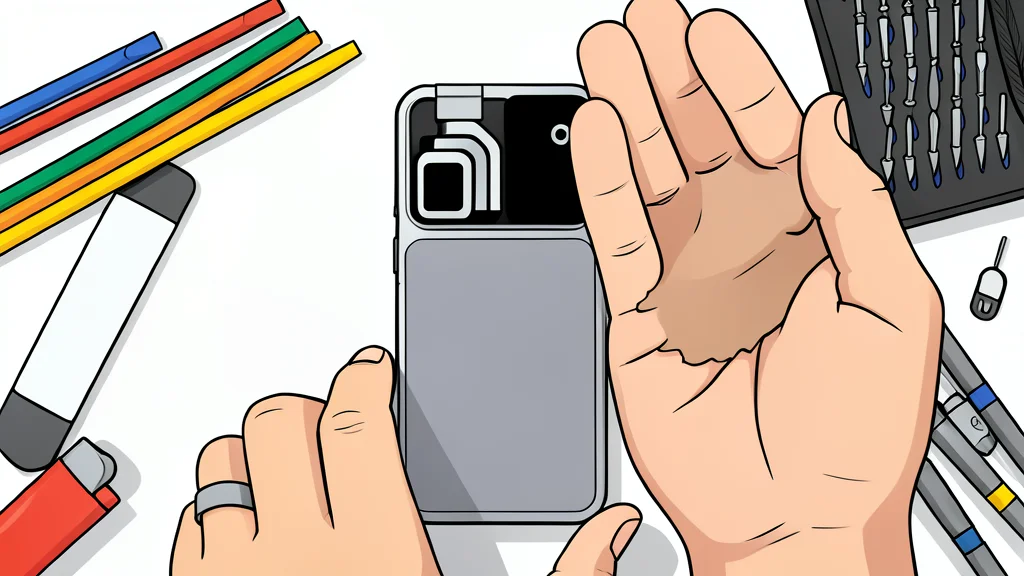
Structurally, the device holds up well. Bend tests revealed no underlying stability issues, indicating that the frame and back panel provide adequate rigidity for the added mechanical components. The back cover is made of plastic, and the battery, while glued in place, is relatively accessible for repair.
Teardowns show that Honor utilizes braided wires and unique internal layouts to accommodate the gimbal. While the internal design is unconventional, it appears robust. The main concern for buyers remains the environmental vulnerability of the exposed mechanical parts rather than the physical strength of the chassis itself.