Most Raspberry Pi Projects Ignore Extra RAM
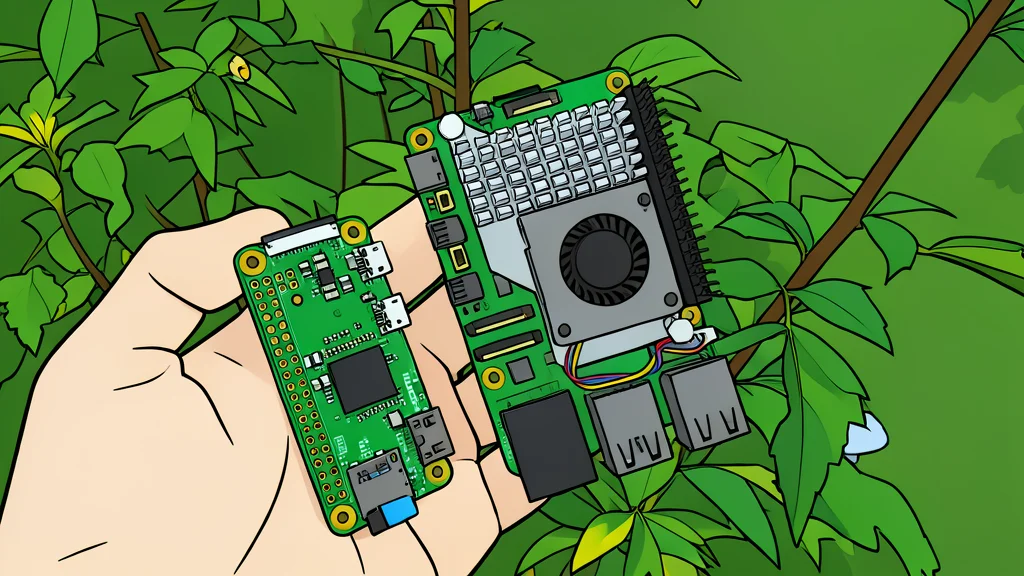
Expensive high-memory boards are often overkill for simple sensor and display projects that run efficiently on cheaper models.
Key points
- Most common Raspberry Pi projects, such as sensor logging, do not utilize the high memory of premium boards.
- Lightweight self-hosted services like ad-blockers and simple converters run efficiently on low-end models with 1GB or 2GB RAM.
- The widening price gap between entry-level and high-end boards makes the over-specification of memory a significant financial trade-off.
Many hobbyists are paying a premium for single-board computers with 8GB or more of memory, only to find that their projects barely use it. While the price gap between entry-level and high-end models has widened significantly, the actual workload for most common DIY projects remains light enough for much cheaper hardware.
According to analysis from XDA Developers, the majority of typical Raspberry Pi applications, such as sensor logging and basic display outputs, do not require the memory capacity found in the latest flagship boards. This suggests that buyers may be spending extra on specifications that remain idle during standard operation.
Sensor projects need minimal memory
Projects relying on GPIO pins and peripherals like weather sensors or timelapse cameras function effectively on low-end boards. In these scenarios, the operating system consumes the bulk of the available memory, while the sensor data itself requires negligible resources. A basic weather station built with a modern high-spec board performs identically to one built with a budget model, as the hardware is not the bottleneck.
Lightweight services run on cheap units
Self-hosting lightweight tools such as PDF converters or simple ad-blockers does not demand gigabytes of RAM. While complex network management or high-volume database queries might strain lower-end devices, most home lab services operate smoothly on boards with just 1GB or 2GB of memory. The catch is that heavy applications like large-scale video processing or complex container orchestration will still require the higher memory tiers.
Price hikes affect value perception
The rising cost of high-memory variants has made the over-specification issue more financially significant. As prices approach $200 for top-tier models, the argument for using cheaper alternatives becomes stronger for the average user. Unless you are running resource-intensive emulation or complex AI tasks, the extra memory remains an unused luxury rather than a functional necessity.