Why the 2019 Nvidia Shield TV Pro Remains Unbeaten in 2026
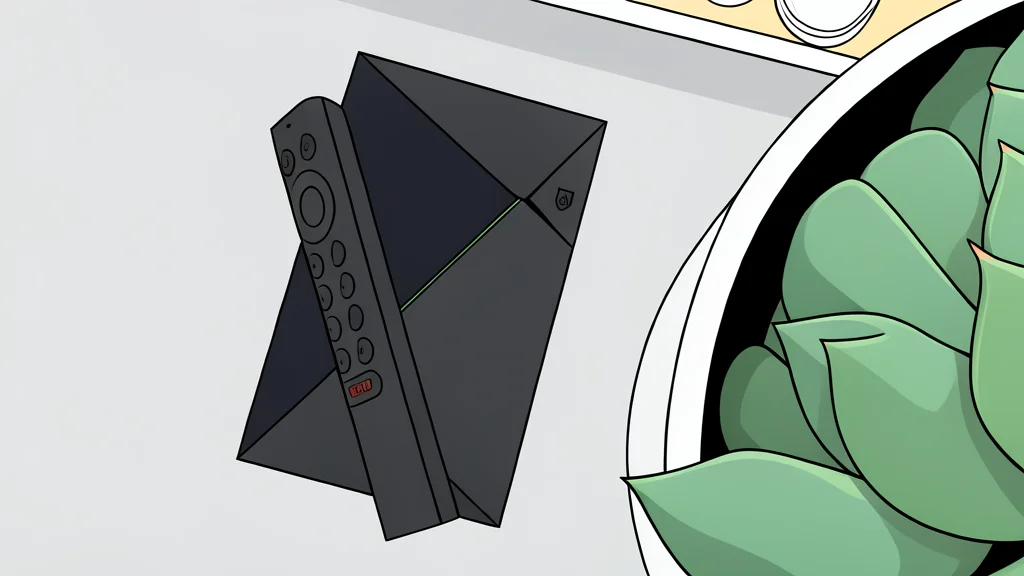
The 2019 Nvidia Shield TV Pro outperforms modern rivals due to superior hardware, a gap competitors have failed to fill despite higher costs.
Key points
- The 2019 Nvidia Shield TV Pro outperforms 2026 rivals due to its superior Tegra X1+ chip and 3GB of RAM.
- Competitors like Roku prioritize low-cost hardware to maximize platform revenue, resulting in slower devices.
- Modern streamers lack the audio passthrough and local media capabilities that make the Shield TV Pro versatile.
The Nvidia Shield TV Pro, released in 2019, is still the fastest device in its class in 2026. While competitors like the Apple TV 4K offer newer processors, they lack the specific combination of power and connectivity that makes the Shield TV Pro unique. This longevity is not due to luck, but rather a shift in how streaming hardware is manufactured and sold.
Most modern streamers prioritize low cost over performance, resulting in devices that are slower and less versatile. The Shield TV Pro stands out because it was built with high-end components that are now rare in the market. This creates a significant gap between what consumers need for advanced media tasks and what companies are willing to produce.
Hardware costs prevent modern rivals from matching speed
The core issue is that the processor inside the Shield TV Pro was designed for much more demanding tasks than simple video streaming. It features a graphics unit derived from desktop gaming hardware, which allows it to handle video upscaling and complex media processing with ease. Modern chips in devices like the Google TV Streamer are far less powerful, leading to slower performance despite being newer.
Memory capacity has also stagnated across the industry. The 2019 Shield TV Pro included 3GB of RAM, a standard that many mainstream streamers in 2026 still struggle to match. This hardware disparity means that even new devices cannot replicate the smooth experience provided by the older Nvidia box. The result is a market where speed and capability have not kept pace with price increases.
Business models prioritize platform growth over performance
Companies like Roku explicitly design their hardware to be cheap, as their primary revenue comes from subscriptions and ads rather than device sales. Their financial reports show that the device segment often operates at a loss, while platform services generate the majority of income. This strategy ensures that devices remain affordable for a wide audience, but it comes at the cost of raw power and flexibility.
The Shield TV Pro offers features that these cost-focused devices lack, such as high-quality audio passthrough and the ability to run local media servers. For users who manage their own digital libraries, these capabilities are essential. The trade-off for the general consumer is a slower, more limited device that fits a specific business model rather than a high-performance standard.
Nvidia faces high barriers to releasing a successor
It is unlikely that Nvidia will release a direct replacement for the Shield TV Pro in the near future. Replicating the original hardware would require components that are now more expensive to source or manufacture. Any new device would likely need to be significantly more expensive or include compromises that reduce its appeal to the core user base.
As reported by XDA Developers, the current market landscape makes it difficult for any company to match the balance of power and price established in 2019. Until manufacturing costs decrease or business models change, the Shield TV Pro may remain the benchmark for performance in the streaming hardware category. Consumers seeking the best speed and features may have to continue relying on this aging but superior device.