Older GPUs with DVI Ports Avoid Adapter Costs
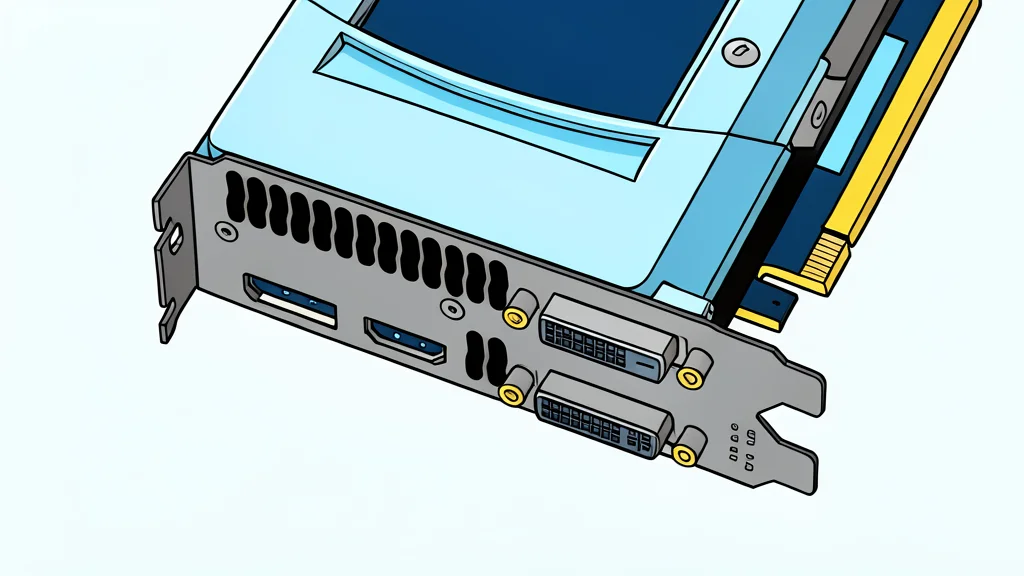
Modern graphics cards lack DVI ports, forcing users to buy expensive active adapters for older high-refresh monitors.
Key points
- DVI ports disappeared from mainstream GPUs starting with the RTX 20-series.
- Passive adapters limit older monitors to 60Hz, requiring expensive active converters for 144Hz.
- Active adapters can cause compatibility issues like black screens or missing refresh rate options.
Modern graphics cards have dropped DVI ports, creating connection problems for older monitors. Users now face extra costs and technical issues when trying to display high-refresh-rate video.
This shift began with the RTX 20-series and continued through the RTX 3090. Today, most new cards only offer DisplayPort and HDMI, leaving legacy displays without a direct link.
Native ports simplify high-speed connections
Older monitors like the BenQ XL2411 require dual-link DVI for 144Hz. A decade ago, you just plugged in a cable and selected the refresh rate in Windows.
Today, you need an adapter to bridge the gap. This adds a layer of complexity that did not exist when DVI was standard on graphics hardware.
Cheap adapters fail to support high refresh
Inexpensive passive adapters only provide single-link DVI bandwidth. This limits performance to 60Hz at 1080p or 1200p, which is too slow for competitive gaming.
To get 144Hz, you need an active converter. These devices cost $50 or more and often require a separate USB connection for power.
Active adapters introduce new technical risks
Active adapters act as extra devices in the signal chain. They can fail to pass display information correctly, causing Windows to miss supported resolutions.
Some adapters lack HDCP support, leading to black screens for protected content. Users have reported cold-boot failures where the monitor stays dark after a restart.