Retired Server Cards Offer Cheap 10GbE Upgrades
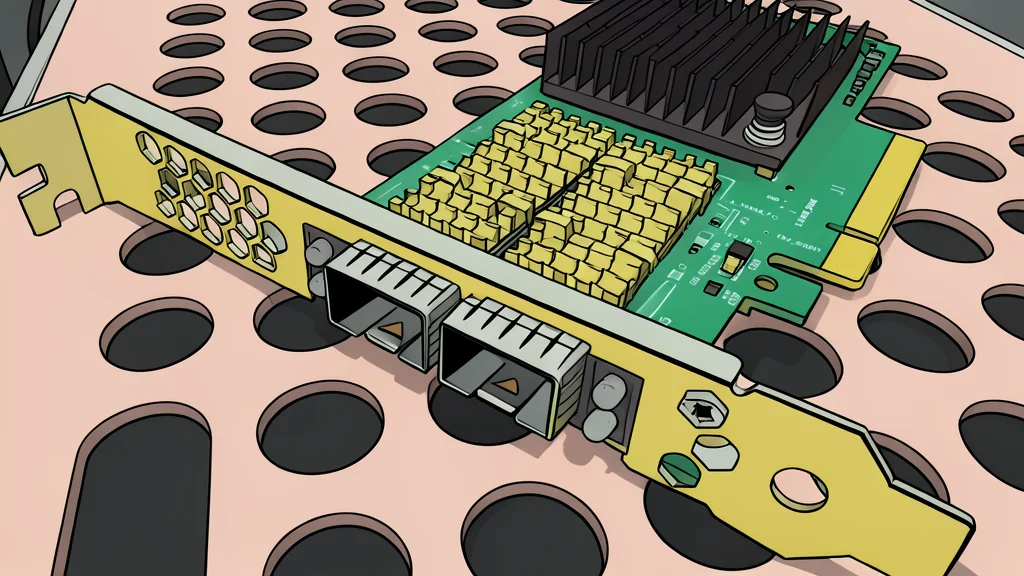
Data centers discard 10GbE cards in bulk, creating a budget-friendly option for home networkers who want faster connections without the premium price tag.
For many home users, gigabit internet is sufficient, but the arrival of multi-gig devices often creates a temptation to upgrade to 10GbE. While dedicated consumer hardware is expensive, a cheaper alternative exists in the used enterprise market. According to XDA Developers, retired server components provide a cost-effective path to faster speeds for home lab enthusiasts.
These cards are not cut-down versions of consumer products. They were built to operate around the clock in data centers, making them robust enough for residential use. They also offer features like SR-IOV, which allows multiple virtual machines to access the network card directly, a capability often missing in standard home networking gear.
Why retired hardware is inexpensive
Data centers replace network hardware on a strict schedule, leading to a steady stream of used cards entering the open market. Two models are particularly popular among hobbyists: the Mellanox ConnectX-3 and Intel’s X520. Both are widely available because they were standard equipment in large-scale server rooms before being decommissioned.
The low cost reflects their status as surplus inventory rather than their performance. These components retain full functionality and reliability, offering a significant discount compared to new consumer-grade 10GbE adapters. This makes them an attractive option for those upgrading a few key devices without spending a fortune.
Cable types and physical connections
Most of these enterprise cards do not use the standard RJ45 port found in most home routers. Instead, they feature SFP+ cages, which require specific cabling. Direct attach copper cables are the common choice for short distances, offering low power consumption and reliable speeds for devices in the same room.
If you prefer traditional twisted-pair cabling, you can use RJ45 modules, but this comes with a trade-off. Driving 10GbE over copper pairs generates significantly more heat due to the complex signal processing required to prevent interference. This heat can be a concern in compact computer cases, whereas fiber or direct attach cables run cooler.
Compatibility challenges on Windows systems
Linux users generally have a smooth experience, as these cards are supported by mainline kernel drivers. However, Windows users may face significant hurdles. Official drivers for many of these older enterprise cards are no longer provided for current versions of Windows 11.
Intel does not offer native Windows 11 drivers for its X520 series, forcing users to manually install older drivers through Device Manager. NVIDIA’s support for the ConnectX-3 series is similarly limited, often requiring workarounds to ensure stability. This lack of official support means users must be prepared for troubleshooting and potential compatibility issues.