Why Prebuilt PCs Beat DIY Builds in 2026
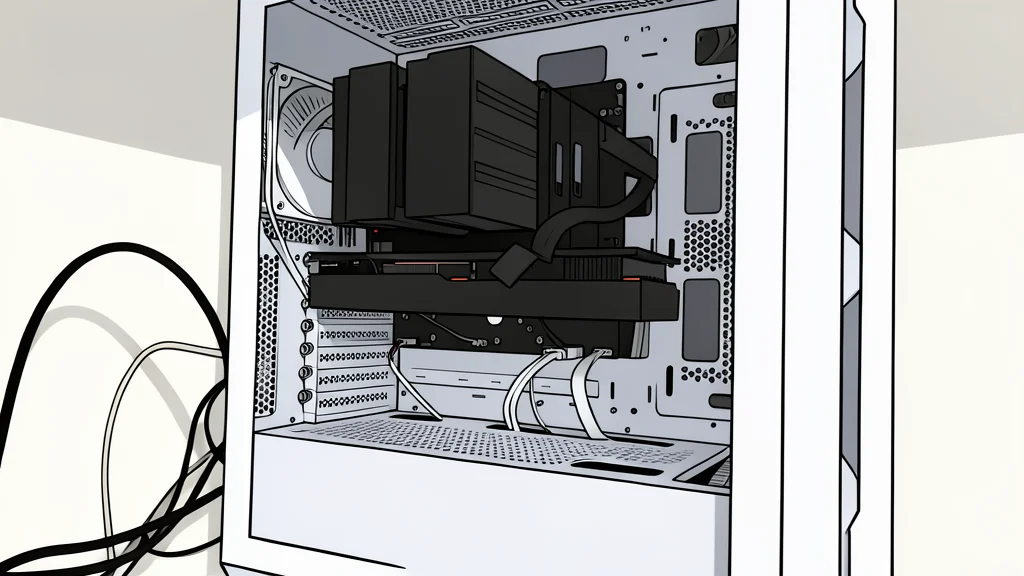
A decade of component shortages has flipped the value equation, making factory-assembled systems the smarter financial choice for most buyers.
For two decades, assembling a personal computer from individual parts was the default for enthusiasts who wanted the best performance per dollar. That era appears to be ending. Due to a severe global shortage of memory chips, the cost of buying components separately has skyrocketed, often exceeding the price of complete, factory-assembled machines. The traditional advantage of DIY value is currently evaporating, leaving many consumers with a difficult financial calculation.
The market is experiencing what industry observers call a pricing anomaly. High-end graphics cards that launched at reasonable prices now sell for multiples of their original cost. Simultaneously, the price of essential memory has doubled or tripled. This combination means that building a high-performance system from scratch is no longer the cheaper option. For the average buyer, the most cost-effective path is now to purchase a prebuilt unit that was stocked before these price hikes took full effect.
Memory Shortages Drive Costs
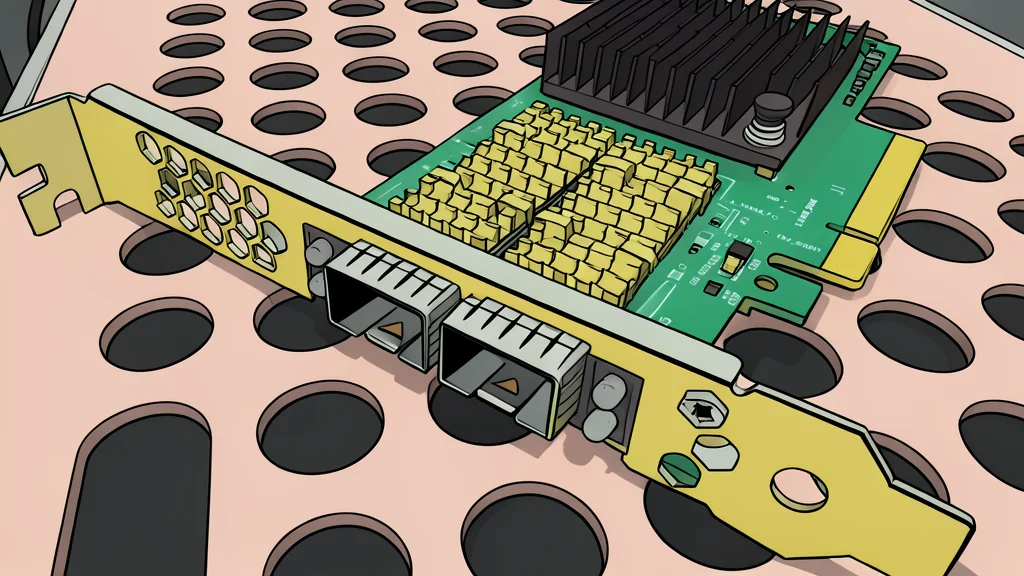
The primary driver of this price surge is a critical shortage of dynamic random-access memory. Manufacturers are prioritizing production for artificial intelligence data centers, leaving fewer chips available for consumer devices. As a result, the cost of standard memory kits has become a significant portion of the total build budget. A system that previously required a modest investment for memory now demands a substantial sum, eroding the savings that enthusiasts once enjoyed.
Graphics cards face a similar fate. Top-tier models, designed for professional workstations and high-end gaming, are seeing their retail prices inflate beyond their initial market value. In some cases, a single graphics card costs more than an entire mid-range computer built a year ago. This distortion makes the component market highly volatile and unpredictable for individual buyers who cannot lock in prices through bulk purchasing agreements.
Prebuilts Offer Better Value
Computer manufacturers and system integrators buy components in massive bulk, often securing inventory months before retail prices spike. This allows them to assemble systems at a lower cost per unit than individual consumers can achieve today. When you buy a prebuilt machine, you are effectively purchasing a package that was finalized during a period of lower component costs. This creates a temporary window where the finished product is more affordable than the sum of its current parts.
According to reporting from GN technics/gaming (en-US), this trend is visible across various price tiers. High-end models that include powerful processors and ample memory are priced competitively against the cost of buying just the graphics card separately. While these systems are not inexpensive, they offer a level of cost certainty and immediate availability that is currently unavailable in the DIY market. The trade-off is less customization, but for most users, the financial benefit outweighs the need for bespoke configuration.
This Advantage Will Fade
This pricing advantage for prebuilt systems is not permanent. As manufacturers exhaust their existing stock of cheaper components, they will be forced to purchase new parts at current market rates. Once this happens, the price of finished systems will rise to match the inflated cost of individual components. The current disparity between the two markets is a temporary artifact of supply chain timing, not a permanent shift in manufacturing economics.
Buyers facing this decision should weigh the immediate savings against their specific needs. If you require a system for immediate use and do not need highly specific component combinations, purchasing a prebuilt unit is currently the financially prudent choice. However, if you have the flexibility to wait, the landscape may shift again as supply stabilizes. For now, the math clearly favors the factory over the workbench.