AI Chip Shortage Boosts Value of Broken Phones

A global shortage of memory chips driven by artificial intelligence demand is transforming the used smartphone market, making even damaged devices valuable to repairers.
A global shortage of memory chips, largely driven by the insatiable demand for artificial intelligence, is transforming the used smartphone market. Owners who previously let broken or outdated devices sit in drawers are discovering that these units now carry unexpected monetary value. Buyers in the refurbishment and repair industries are increasingly competing for components that were once considered worthless scrap, creating a new economic incentive to keep old hardware in circulation.
Marketplace data from B-Stock, a major platform for used smartphones, indicates that pricing for both Apple and Samsung devices has risen in recent quarters. While lower-condition phones still account for a significant portion of sales, mid-tier devices have recently gained ground in volume. This shift suggests that the market is stabilizing around higher-value units as the supply of specific internal parts becomes more constrained.
Scarcity drives up salvage prices
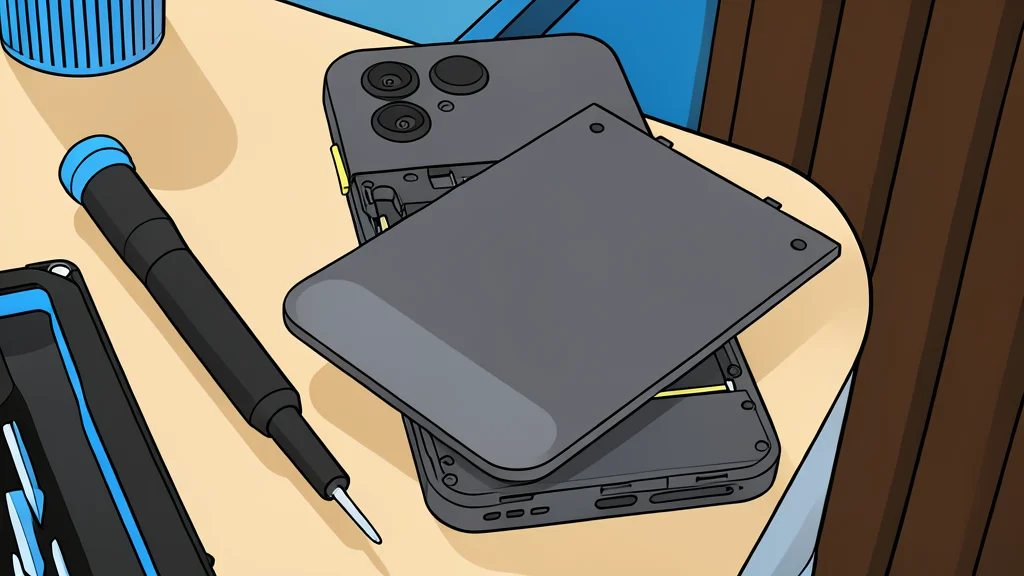
The rising value of broken phones is not primarily due to consumer altruism but rather market correction. As memory prices climb, the economics of recovering usable components are shifting. It is now worthwhile for buyers to salvage parts like displays, batteries, and circuit boards that were previously not worth the labor involved. This trend is documented by GN technics/mobile (en-US), which notes that the supply of parts is tightening as new manufacturing prioritizes high-end AI hardware over consumer electronics.
Manufacturers are not yet routinely pulling memory chips from damaged phones to install in new products, as testing and compatibility checks complicate the process. Instead, the value is found in the assembly of working sub-components. A single low-grade device often contains parts that are fully functional, meaning the entire unit does not share the same poor rating as its exterior or battery status might suggest.
Repairers find new value in parts
For the repair industry, this shift creates a new layer of value. Devices that fail basic health tests, such as battery longevity checks, are often classified as the lowest tier under standard platform rules. However, these phones frequently retain high-value internal hardware. Repairers can extract functional components to fix other devices, turning what was once e-waste into a viable supply chain for spare parts.
This dynamic is pushing retailers to sweeten trade-in offers to keep the supply of parts flowing. The result is a market where the condition of the phone's screen or battery matters less than the integrity of its internal circuitry. This is a significant change from previous years when such devices were often discarded due to perceived obsolescence.
Environmental impact remains uncertain
While this trend might appear to be an environmental win, the motivation is largely economic. Consumers are not necessarily recycling out of ecological conviction; they are responding to financial incentives. Whether this shift meaningfully reduces electronic waste or simply redirects it toward a more profitable pipeline remains an open question. The current situation feels less like a sudden awakening and more like a market adjustment to supply chain constraints.
The trade-off is clear: the value of old phones is rising, but the primary driver is the scarcity of components needed for new AI-driven products. This creates a complex web where consumer behavior is influenced by industrial demand, potentially slowing the release of new devices while prolonging the life of old ones. As the memory crunch continues, the value of a broken phone in your drawer may be higher than you think.