Removable Phone Batteries Return Amid EU Pressure
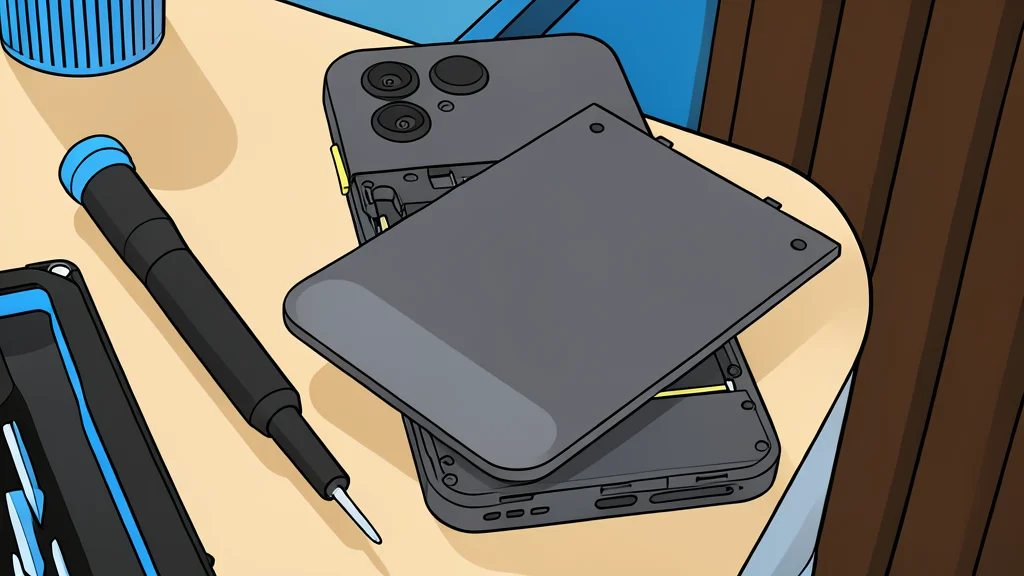
After a decade of sealed designs, smartphones are starting to offer swappable batteries again. While niche models lead the way, new regulations may soon make this standard for all devices.
For over a decade, the smartphone industry moved toward fully sealed devices, prioritizing water resistance and sleek design over user repairability. This shift made it impossible for most consumers to simply pop out a dead battery and replace it with a fresh one. However, a quiet reversal is underway. Several manufacturers are now reintroducing removable battery cells, driven by a mix of consumer demand for longevity and impending European regulations.
According to GN technics/mobile (en-US), this trend is not just about nostalgia. It addresses a practical problem: lithium batteries degrade over time, eventually causing phones to die prematurely. By allowing users to swap out the power source without replacing the entire device, manufacturers can extend the usable life of their hardware. This approach also lowers the barrier to entry for repairs, turning a potentially expensive service visit into a simple DIY task.
Repairability Reduces Electronic Waste
The environmental impact of modern smartphones is significant, with millions of tonnes of e-waste generated annually. A major contributor to this waste is the battery itself. When a sealed phone’s battery fails, the entire device is often discarded because the cost or complexity of replacement is too high. Removable batteries change this dynamic by decoupling the power source from the main chassis.
This separation allows users to keep a functional device longer, reducing the frequency of full replacements. It also simplifies the recycling process, as batteries can be removed and processed separately. While the industry has long argued that sealing phones protects internal components from dust and water, critics note that this convenience often comes at the expense of sustainability and user control.
Current Models and Their Trade-offs
Not all phones are equal in their return to removable batteries. Fairphone, a brand focused on repairability, offers the Fairphone 6 with a swappable 4,050mAh battery. The design allows for quick changes in under a minute. However, this model carries an IP55 water resistance rating, which is significantly lower than the IP68 standard found in most mainstream flagships.
Samsung offers a different approach with the Galaxy XCover7 Pro, a rugged device aimed at industrial use. It features a swappable 4,350mAh battery while maintaining IP68 water resistance and military-grade durability. This proves that it is possible to combine robust protection with user-replaceable components, though such features remain confined to niche or enterprise-focused models rather than the consumer mainstream.
Regulations Will Force Industry Change
The current availability of removable batteries is largely limited to specialized devices. For the average consumer using a standard flagship phone, the option remains unavailable. This may change soon due to the European Union’s 2027 ruling on battery removability. This regulation aims to standardize battery replacement across devices, forcing manufacturers to design their products with repairability in mind.
The push for removable batteries represents a shift in how devices are valued. Instead of prioritizing thinness and waterproofing at all costs, the focus is returning to practicality and longevity. While the catch is a potential trade-off in design elegance or water resistance for some models, the benefit of a longer device lifespan and lower repair costs is a compelling argument for this return to form.