Apple Pencil Support Arrives for iPhone Duo with Specific Caveats
The long-standing separation between Apple's stylus and its smartphones is ending, but only for users willing to pay a premium and accept significant functional trade-offs.
For years, the Apple Pencil was strictly an accessory for iPads, with no official support on Macs or iPhones. That isolation ends with the launch of the iPhone Duo, a new device that introduces stylus functionality to the iPhone lineup for the first time. However, this capability is not universal. It is exclusive to this specific new model, and even then, it comes with strict hardware requirements and delayed software availability.
As reported by Engadget, the integration of the stylus represents a significant shift in Apple's design philosophy. The company has historically argued against styluses as a primary input method. Now, the iPhone Duo offers a dual-screen experience where users can write or draw on both the large unfolded display and the outer screen. While this expands the device's utility for note-taking and sketching, it does not apply to any other iPhone models currently on the market or in development.
Delayed launch and specific model requirements
The most immediate catch is that the feature does not work out of the box. The iPhone Duo is expected to ship in October with iOS 27.1, but Apple Pencil support is not included in that initial software version. Users must wait for an update, likely iOS 27.2, arriving around November, before they can actually use the stylus. This means the device launches with a core advertised feature disabled, requiring users to sit on their hands for a month or more.
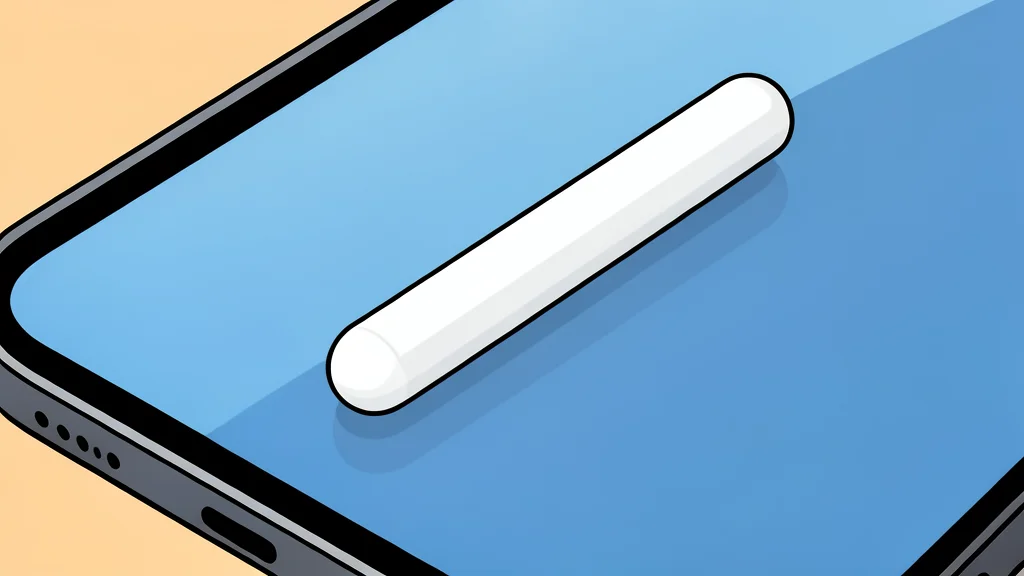
Furthermore, ownership of the latest Pencil is not enough. The iPhone Duo is only compatible with the Apple Pencil USB-C model. If you own the Apple Pencil 2 or the Apple Pencil Pro, they will not work. This is likely because the iPhone lacks the magnetic charging strip found on compatible iPads. Instead, the iPhone Duo requires a physical USB-C connection for pairing and charging. This forces existing customers to spend an additional $79 on a new, cheaper stylus to access the feature.
Missing features in the compatible stylus
The requirement to use the USB-C model introduces a significant performance trade-off. This specific Pencil is the entry-level option in Apple's lineup and lacks several advanced capabilities. It does not include a pressure sensor, which means it cannot detect the force of your pen stroke. It also misses the double-tap gesture for switching tools, haptic feedback, and the squeeze feature. Additionally, it is not supported by the Find My network, making it harder to locate if lost.
These limitations mean that the writing experience on the iPhone Duo will be less precise and responsive than on iPads using the Pro model. For users who rely on detailed pressure-based drawing or advanced gesture controls, the iPhone Duo offers a step backward in functionality compared to the standard iPad experience. The convenience of having a stylus on a phone comes at the cost of reduced input fidelity.
Practicality and future hardware possibilities
Beyond software and hardware restrictions, there is a practicality issue. Carrying a full-sized Apple Pencil alongside an iPhone is less convenient than carrying it with a larger tablet. The physical presence of the stylus adds bulk to a device designed for portability. While the dual-screen capability allows for quick notes or longer handwritten entries, the added weight and size of the accessory may deter many from using it daily.
Looking ahead, rumors suggest Apple may refresh its Pencil lineup next year, potentially with replaceable batteries. There is speculation that a new Pencil Pro designed specifically for the iPhone Duo could emerge, or even a dedicated model for this device. Until then, the current setup remains a niche feature for enthusiasts willing to accept the higher cost, the software delay, and the reduced feature set of the compatible stylus.