Asia Launches 11,000mAh Phones as Vietnam Ends 2G
Malaysian brands unveil massive batteries, Vietnam retires 2G networks, and Samsung releases a rolling TV for flexible home use.
Key points
- Honor and Oppo launched Malaysian phones with batteries over 10,000mAh to reduce charging frequency.
- Vietnam retired its 2G network to free up spectrum for improved 4G and 5G coverage in rural areas.
- LG and Samsung released space-saving appliances, including a wall-mounted purifier and a rolling TV.
Mobile hardware in Asia is shifting decisively toward extreme endurance and spatial efficiency. Over the past week, manufacturers in Southeast Asia and Greater China have prioritized battery capacity that outlasts heavy daily use, addressing a core frustration for modern consumers who are constantly tethered to chargers.
According to reports from microwire.info, this trend is evident in new mid-range devices in Malaysia, which now feature cells exceeding 10,000mAh. Simultaneously, Vietnam has completed the decommissioning of its legacy 2G infrastructure, freeing up radio spectrum to improve 4G and 5G coverage in remote areas.
Massive batteries define new mid-range standards
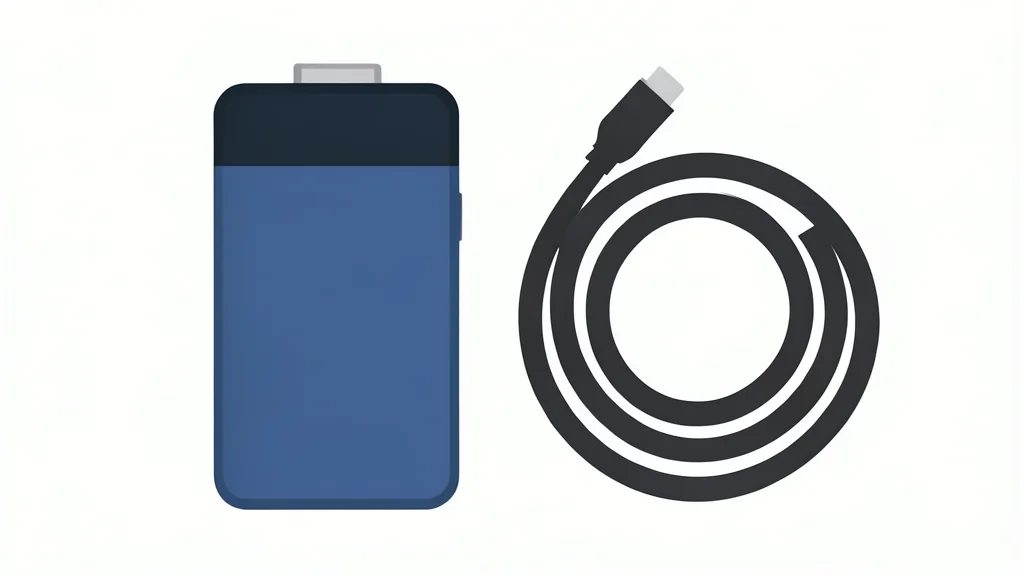
Oppo and Honor have introduced smartphones with significantly larger power cells than previous generations. The Honor X9e Pro, launching in Malaysia, packs an 11,000mAh battery into a body with high-level water and dust resistance. This allows users to go days without charging, removing the need for constant power management.
Oppo’s A7 Pro Max offers a 10,000mAh cell with 80W rapid charging, reaching a full charge in under ninety minutes. Both devices also support reverse wired charging, effectively acting as power banks for other gadgets. The trade-off is increased device weight and thickness, a necessary concession for the physical space required by such large batteries.
Vietnam clears spectrum for faster mobile networks
Vietnam officially shut down all remaining 2G base stations on September 15, marking the end of legacy voice services in the country. This move frees up the 900 MHz radio band, which is crucial for providing broader coverage in areas with poor connectivity.
The Ministry of Science and Technology plans to auction these reclaimed frequencies to accelerate 4G and 5G expansion in underserved provinces. While this improves long-term network quality, it forces users of older, non-4G phones to upgrade their devices to stay connected, a hurdle for those with limited budgets.
Flexible hardware targets compact living spaces
In Singapore, LG addressed the challenge of small apartment sizes by launching the WallFit air purifier. This appliance is designed to mount flush against walls, maximizing floor space while maintaining high filtration performance. It reflects a broader trend of designing tech for constrained urban environments.
Samsung released a 27-inch portable television on a movable stand, allowing users to roll the display between different rooms. This caters to consumers who want a large screen for multiple purposes, such as work and entertainment, without dedicating a fixed location to it. The catch is the cost and bulk of moving such a large device frequently, which may limit its practicality for some households.