Googlebook Laptops Start at $899 with Deep Android Integration
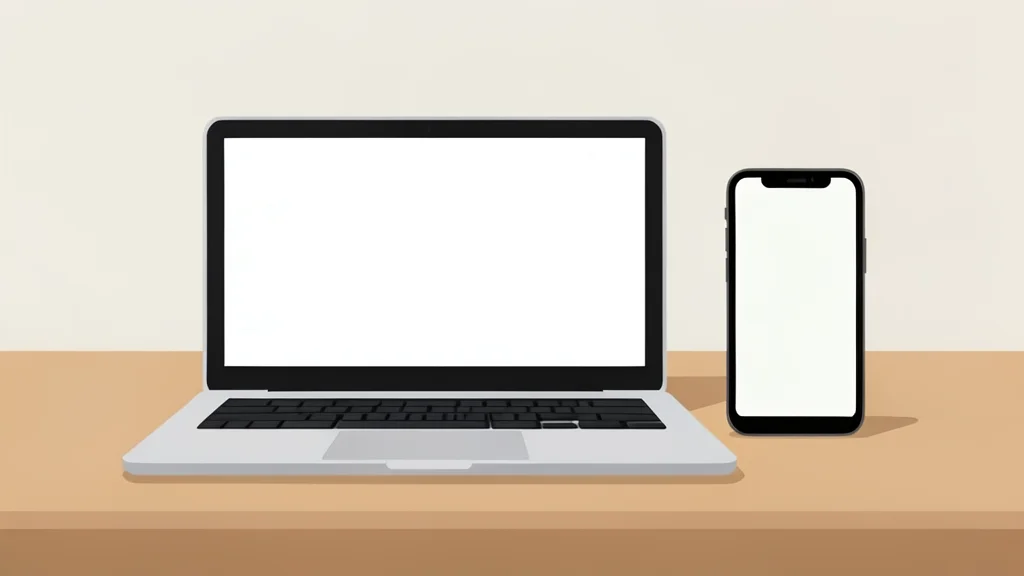
New laptops from Acer, Dell, and others link Android phones directly to the computer, promising seamless task and file continuity.
Key points
- Googlebook laptops start at $899 and feature deep integration with Android phones, allowing tasks and files to move seamlessly between devices.
- The lineup includes models from Acer, Asus, Dell, HP, and Lenovo, with premium specs like 512GB storage and up to 10 years of updates.
- Full functionality requires Android 17, creating a strong ecosystem lock-in that competes directly with Windows and macOS laptops.
Google is redefining the laptop category by making the Android smartphone the central hub for computing. The new Googlebook line, launching with hardware from major manufacturers like Acer, Asus, Dell, HP, and Lenovo, starts at $899. The core idea is not just a cheaper Chromebook, but a device that treats the phone and computer as a single, continuous workspace.
According to reporting by WeRSM, this approach reverses the traditional trend of laptops trying to mimic phone interfaces. Instead, the laptop becomes a larger canvas for the context already stored on the phone. Users can move active tasks between screens, access phone files directly from the desktop file browser, and run mobile apps in desktop windows without reinstalling them.
Hardware Specs Meet Software Continuity
The first wave of devices features premium specifications, including flagship Intel and Qualcomm processors, 512GB of storage, and long battery life ranging up to 16 hours. Models vary in form factor, with Acer offering a convertible OLED touchscreen and Lenovo providing the largest display at 15.3 inches. Dell utilizes an XPS-based design with a Snapdragon X Elite chip, while HP integrates facial recognition and fingerprint sensors.
Beyond hardware, Google bundles 12 months of Google AI Pro and trials for services like Photoshop and YouTube Premium. The company promises up to 10 years of software updates, aiming to make the ecosystem feel stable and future-proof. This strategy positions the laptop not as a standalone productivity tool, but as an extension of the user’s existing mobile data and apps.
Ecosystem Lock-In Is The Trade-Off
The primary catch is that full functionality requires an Android 17 device, creating a hard dependency on the Google ecosystem. Users with iPhones or older Android phones will miss out on the deepest integration features. Additionally, the premium pricing places these laptops in direct competition with MacBook Air and high-end Windows machines, which offer more mature and flexible software ecosystems.
While the promise of seamless continuity is compelling, it effectively increases vendor lock-in. The convenience of having files and tasks flow effortlessly across devices comes at the cost of flexibility. For Google, the strategic goal is to extend its dominance from the mobile sphere into the workplace, using the laptop as a gateway to keep users within its service network.
A New Standard For Hybrid Work
The launch marks a shift in how personal computing is marketed. The device is no longer sold solely on its ability to run local software, but on its capacity to visualize and manage the user's entire digital life. This approach relies heavily on cloud connectivity and Gemini AI integration to bridge the gap between mobile and desktop experiences.
Success will depend on whether the integration feels intuitive or restrictive. If the cross-device features work smoothly, Googlebook could become a standard for hybrid workers who prioritize mobility. However, if the ecosystem barriers feel too high, the devices may struggle to gain traction against more open alternatives. The market will soon reveal whether continuity is a compelling enough selling point to justify the trade-offs.